Ch.12 - Solids and Modern Materials
Brown - Chemistry: The Central Science 14th Edition
Brown14th EditionChemistry: The Central ScienceISBN: 9780134414232당신이 사용하는 게 아니라요?교과서 변경
12장, 문제 126b

(b) What are they in graphite (in one sheet)?

검증된 단계별 안내
1
Understand the structure of graphite: Graphite is composed of layers of carbon atoms arranged in a hexagonal lattice. Each carbon atom is bonded to three other carbon atoms in the same plane, forming a two-dimensional sheet.
Recognize the type of bonding: In graphite, each carbon atom forms three sigma bonds with its neighboring carbon atoms, and the fourth electron is delocalized, contributing to a pi bond system across the sheet.
Consider the properties of a single sheet: A single sheet of graphite is known as graphene. It is a single layer of carbon atoms with sp2 hybridization, where each carbon atom is bonded to three others, forming a planar structure.
Identify the forces between sheets: The sheets in graphite are held together by weak van der Waals forces, allowing them to slide over each other easily, which is why graphite is used as a lubricant and in pencils.
Explore the electrical conductivity: The delocalized electrons in the pi bond system allow graphite to conduct electricity within the plane of the sheets, making it a good conductor of electricity.

비슷한 문제에 대한 검증된 영상 답변:

이 영상 해법은 위 문제에 도움이 된다고 튜터들이 추천한 것입니다.
영상 길이:
2m
도움이 되었나요?

주요 개념

질문에 올바르게 답하기 위해 반드시 이해해야 하는 핵심 개념들은 다음과 같습니다.

Structure of Graphite

Graphite is composed of layers of carbon atoms arranged in a two-dimensional hexagonal lattice. Each carbon atom is bonded to three others, forming strong covalent bonds within the plane, while the layers are held together by weaker van der Waals forces. This unique structure allows for the characteristic properties of graphite, such as electrical conductivity and lubricity.
추천 영상:
가이드 코스
01:42
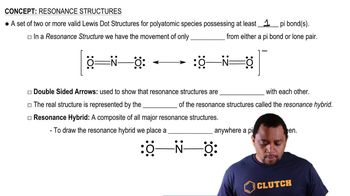
Resonance Structures

Delocalized Electrons

In graphite, each carbon atom contributes one of its four valence electrons to a 'pi' bond that is shared across the entire sheet. This results in a system of delocalized electrons that can move freely within the layers, enabling graphite to conduct electricity. The presence of these delocalized electrons is crucial for understanding the electrical properties of graphite.
추천 영상:
가이드 코스
04:44
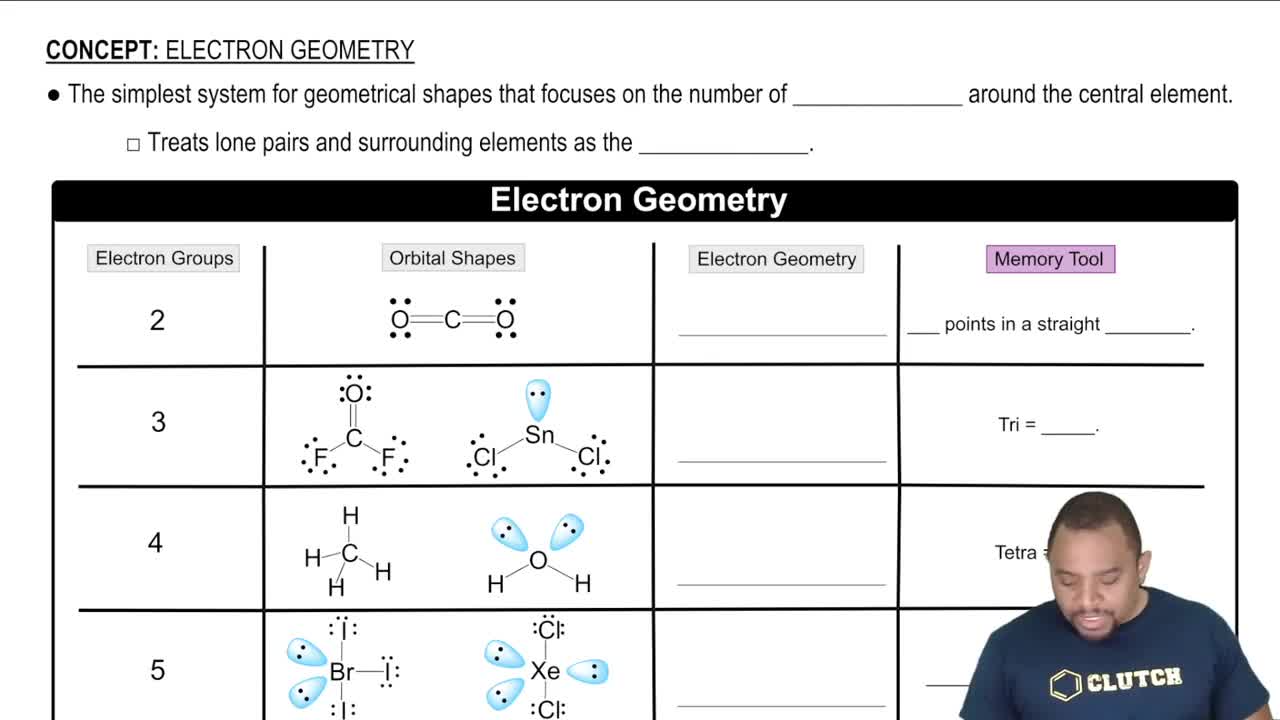
Electron Geometry

Interlayer Interactions

The layers of graphite are held together by weak van der Waals forces, which allow them to slide over one another easily. This property is what gives graphite its lubricating qualities and makes it useful in applications like pencil lead. Understanding these interlayer interactions is essential for grasping how graphite behaves as a material in various contexts.
추천 영상:
가이드 코스
03:01
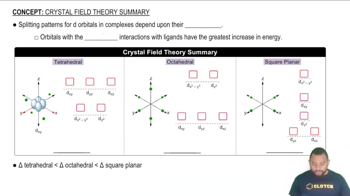
The greatest ligand-orbital interactions result in the greatest increase in energy.