Ch.12 - Solids and Solid-State Materials
McMurry - Chemistry 8th Edition
McMurry8th EditionChemistryISBN: 9781292336145당신이 사용하는 게 아니라요?교과서 변경
12장, 문제 13

A superconductor is a material that loses all electrical resistance below a characteristic temperature called the superconducting transitiontemperature. Which graph represents the behavior of a superconductor? (LO 12.13)(a) Graph showing the electrical resistance behavior of a superconductor below the transition temperature.
(b)
(c)
(d)

검증된 단계별 안내
1
Identify the characteristic behavior of a superconductor: it loses all electrical resistance below a certain temperature, known as the superconducting transition temperature.
Examine the provided graph to determine if it shows a drop in electrical resistance to zero at a specific temperature.
Observe the x-axis of the graph, which represents temperature, and the y-axis, which represents electrical resistance.
Look for a point on the graph where the resistance drops sharply to zero as the temperature decreases.
Confirm that the graph shows zero resistance below the superconducting transition temperature, indicating the behavior of a superconductor.

비슷한 문제에 대한 검증된 영상 답변:

이 영상 해법은 위 문제에 도움이 된다고 튜터들이 추천한 것입니다.
영상 길이:
2m
도움이 되었나요?

주요 개념

질문에 올바르게 답하기 위해 반드시 이해해야 하는 핵심 개념들은 다음과 같습니다.

Superconductivity

Superconductivity is a phenomenon where certain materials exhibit zero electrical resistance and expel magnetic fields when cooled below a critical temperature, known as the superconducting transition temperature. This allows for the flow of electric current without energy loss, making superconductors highly efficient for various applications, including magnetic levitation and advanced electronic devices.

Resistance vs. Temperature Graph

The resistance vs. temperature graph for a superconductor typically shows a sharp drop in resistance as the temperature decreases, reaching zero resistance at the superconducting transition temperature. This behavior contrasts with normal conductors, where resistance generally increases with temperature. Understanding this graph is crucial for identifying the characteristics of superconductors.
추천 영상:
가이드 코스
03:48
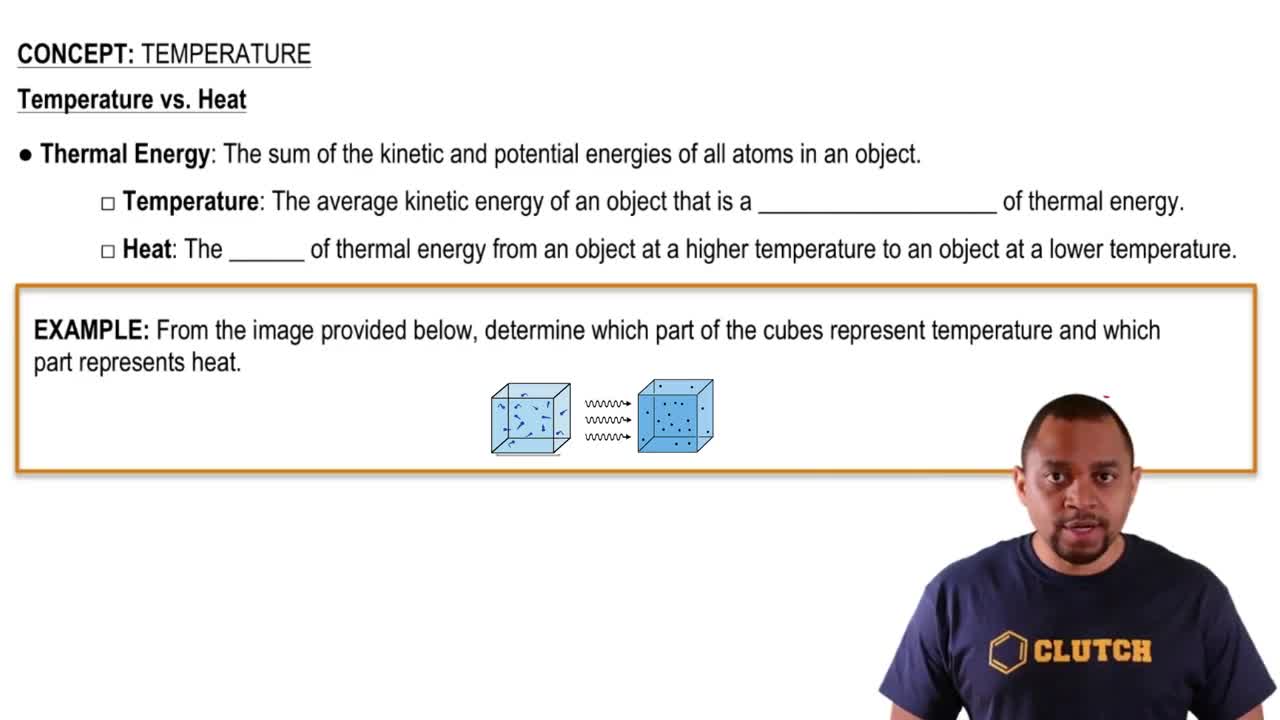
Temperature vs Heat

Critical Temperature

The critical temperature, or superconducting transition temperature, is the temperature below which a material transitions into a superconducting state. Each superconductor has a specific critical temperature, which is a key parameter in determining its practical applications. Identifying this temperature is essential for understanding the conditions under which superconductivity occurs.
추천 영상:
가이드 코스
03:48
Temperature vs Heat