Ch.12 - Solids and Solid-State Materials
McMurry - Chemistry 8th Edition
McMurry8th EditionChemistryISBN: 9781292336145당신이 사용하는 게 아니라요?교과서 변경
12장, 문제 132

Explain why graphite/epoxy composites are good materials for making tennis rackets and golf clubs.

검증된 단계별 안내
1
Understand the composition of graphite/epoxy composites: Graphite/epoxy composites are made by reinforcing a polymer (epoxy) matrix with carbon fibers (graphite). This combination utilizes the high strength and stiffness of graphite with the toughness of the epoxy resin.
Recognize the properties of graphite: Graphite is a form of carbon that is highly anisotropic, meaning it has varying properties in different directions. In the fiber form, graphite provides high tensile strength, which is crucial for sports equipment that undergoes high impact and stress.
Consider the role of epoxy: Epoxy resins are polymers that cure to form a hard, durable material. When used as the matrix in composites, they help to distribute loads and stresses evenly across the fibers, reducing the likelihood of material failure.
Evaluate the benefits of the composite structure: The combination of graphite fibers and epoxy in a composite material results in a lightweight, yet strong and stiff material. This is ideal for making sports equipment like tennis rackets and golf clubs, which benefit from being light for ease of handling and strong to withstand the forces exerted during play.
Discuss the impact resistance and energy absorption: Graphite/epoxy composites have good impact resistance and energy absorption characteristics. This makes them suitable for sports equipment, as they can absorb the shocks from high-speed ball impacts without transferring the full force to the player, reducing fatigue and improving performance.

비슷한 문제에 대한 검증된 영상 답변:

이 영상 해법은 위 문제에 도움이 된다고 튜터들이 추천한 것입니다.
영상 길이:
2m
도움이 되었나요?

주요 개념

질문에 올바르게 답하기 위해 반드시 이해해야 하는 핵심 개념들은 다음과 같습니다.

Composite Materials

Composite materials are engineered from two or more constituent materials with significantly different physical or chemical properties. The combination results in a material that exhibits enhanced strength, stiffness, and durability compared to the individual components. In the case of graphite/epoxy composites, the lightweight and high tensile strength of graphite fibers combined with the toughness of epoxy resin create a strong yet flexible material ideal for sports equipment.
추천 영상:
가이드 코스
08:12
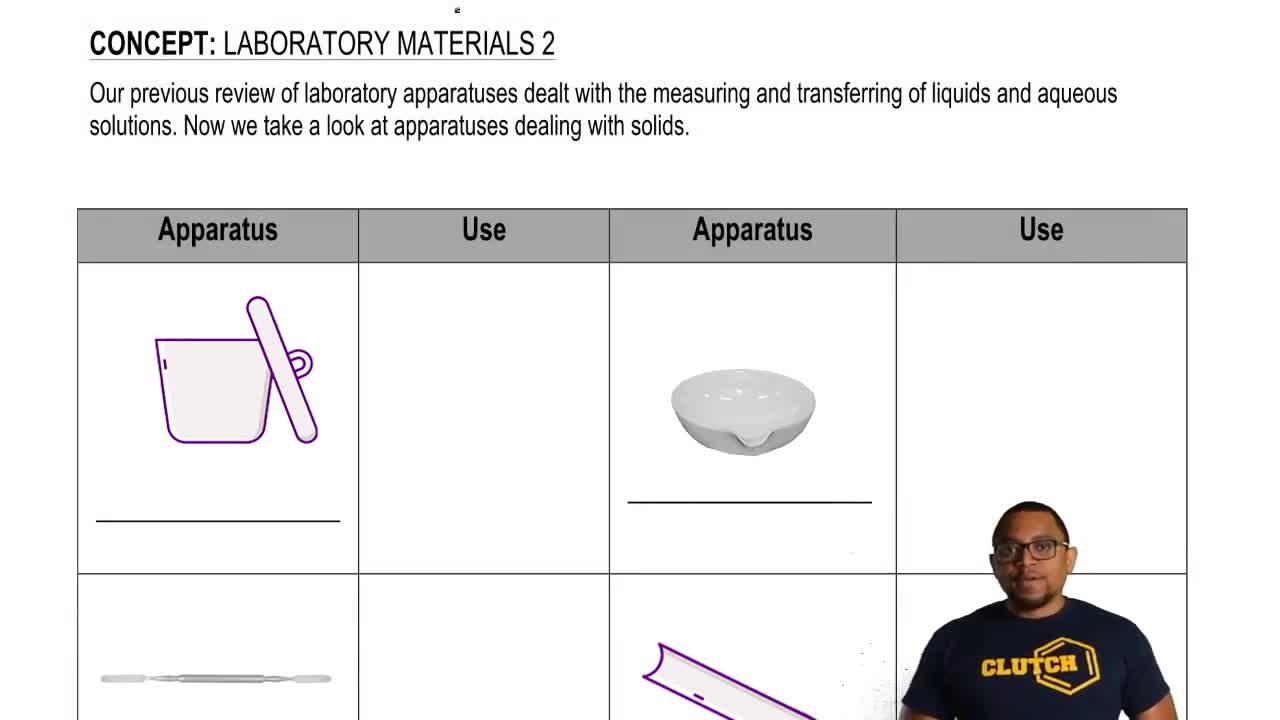
Laboratory Materials 2

Mechanical Properties

Mechanical properties refer to the behavior of materials under various types of forces and loads. Key properties include tensile strength, elasticity, and impact resistance. Graphite/epoxy composites possess excellent mechanical properties, allowing them to withstand the high stresses and impacts experienced during sports activities, making them suitable for applications like tennis rackets and golf clubs.
추천 영상:
가이드 코스
03:06
Reaction Mechanism Overview

Weight-to-Strength Ratio

The weight-to-strength ratio is a measure of how much strength a material has relative to its weight. A high ratio indicates that a material is both strong and lightweight, which is crucial in sports equipment where performance and maneuverability are essential. Graphite/epoxy composites have a favorable weight-to-strength ratio, allowing athletes to swing their rackets and clubs with greater speed and control without being hindered by heavy equipment.
추천 영상:
가이드 코스
02:14
Neutron-Proton Ratio