Ch.3 - Mass Relationships in Chemical Reactions
McMurry - Chemistry 8th Edition
McMurry8th EditionChemistryISBN: 9781292336145당신이 사용하는 게 아니라요?교과서 변경
3장, 문제 108

The molecular weight of ethylene glycol is 62.0689 when calculated using the atomic weights found in a standard periodic table, yet the molecular weight determined experimentally by high-resolution mass spectrometry is 62.0368. Explain the discrepancy.

검증된 단계별 안내
1
Understand the composition of ethylene glycol, which is C2H6O2. This means it contains 2 carbon atoms, 6 hydrogen atoms, and 2 oxygen atoms.
Review the concept of atomic weights as listed on the periodic table. These values are averages that account for the natural isotopic distribution of each element.
Recognize that high-resolution mass spectrometry provides a precise measurement of the mass of a molecule based on its most abundant isotopes, which might not exactly match the average atomic weights used for standard calculations.
Consider the possibility of isotopic variations in the sample of ethylene glycol used in the experiment. Different isotopes of carbon, hydrogen, or oxygen could lead to a slightly different molecular weight than calculated using average atomic weights.
Conclude that the discrepancy between the calculated molecular weight and the experimentally determined molecular weight is likely due to the natural variation in isotopic composition of the elements in the ethylene glycol molecule.

비슷한 문제에 대한 검증된 영상 답변:

이 영상 해법은 위 문제에 도움이 된다고 튜터들이 추천한 것입니다.
영상 길이:
1m

주요 개념

질문에 올바르게 답하기 위해 반드시 이해해야 하는 핵심 개념들은 다음과 같습니다.

Molecular Weight Calculation

Molecular weight is calculated by summing the atomic weights of all atoms in a molecule based on the periodic table. Ethylene glycol (C2H6O2) consists of 2 carbon, 6 hydrogen, and 2 oxygen atoms, leading to a theoretical molecular weight of 62.0689 g/mol. This calculation assumes standard atomic weights, which can vary slightly due to isotopic abundance.
추천 영상:
가이드 코스
6:53
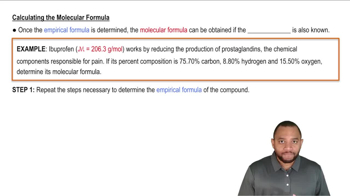
Molecular Formula Calculation Example

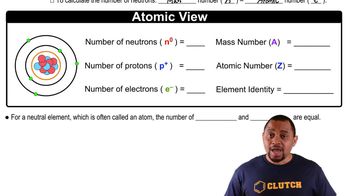
Isotopic Abundance

Isotopic abundance refers to the relative amounts of different isotopes of an element in nature. The atomic weights listed in the periodic table are weighted averages based on these abundances. Experimental measurements, such as those from mass spectrometry, can yield different molecular weights if the sample contains isotopes in different proportions than those assumed in standard calculations.
추천 영상:

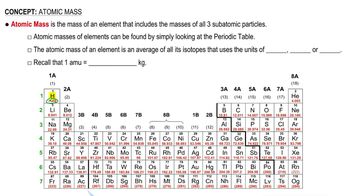
Mass Spectrometry

Mass spectrometry is an analytical technique used to measure the mass-to-charge ratio of ions. It provides precise molecular weight measurements by detecting the actual mass of molecules in a sample. The discrepancy between the calculated and experimental molecular weights of ethylene glycol may arise from the presence of isotopes or variations in the sample's composition during analysis.
추천 영상: