 뒤로
뒤로Chromosome Mutations: Variation in Number and Arrangement – Study Notes
스터디 가이드 - 스마트 노트
 자료에 맞춘 맞춤형 노트, 핵심 정의, 예시, 맥락을 확장해 제공합니다.
Chromosome Mutations: Variation in Number and Arrangement
Introduction
Chromosome mutations, also known as chromosome aberrations, are modifications at the chromosomal level that result in phenotypic variations. These changes can affect the total number of chromosomes, or alter the composition and arrangement of genetic material within or among chromosomes. The main types of chromosome mutations include deletions, duplications, rearrangements, and changes in chromosome number.
Variation in Chromosome Number: Terminology and Origin
Aneuploidy
Aneuploidy refers to variations in chromosome number where an organism gains or loses one or more chromosomes, but not an entire set. This can lead to significant phenotypic effects.
Monosomy: Loss of a single chromosome in a diploid genome (2n - 1).
Trisomy: Gain of a single chromosome (2n + 1).
Euploidy and Polyploidy
Euploidy is the condition where complete haploid sets of chromosomes are present. Polyploidy occurs when more than two sets of chromosomes are found in an organism.
Triploid: Three sets of chromosomes (3n).
Tetraploid: Four sets of chromosomes (4n).
Nondisjunction
Nondisjunction is the failure of paired homologous chromosomes to disjoin during segregation in meiosis, resulting in chromosomal variation. This process can lead to aneuploidy.
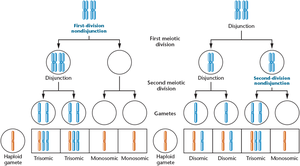
Monosomy and Trisomy: Phenotypic Effects
Monosomy
Monosomy is the loss of one chromosome. If the remaining copy is lethal, the organism is not viable. Monosomy can unmask recessive lethal alleles and cause haploinsufficiency, where one copy is not sufficient for survival.
Trisomy
Trisomy involves the addition of a chromosome, resulting in 2n + 1 chromosomes. While some plant trisomies are viable, most autosomal trisomies in animals are lethal. Trisomy alters the phenotype, as seen in Datura stramonium.
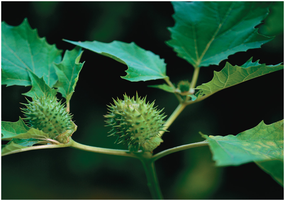
Trisomy 21 – Down Syndrome
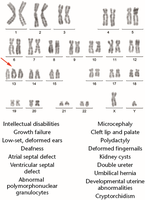
Down syndrome is caused by trisomy of chromosome 21, resulting in three copies of chromosome 21. Affected individuals express several characteristic traits.
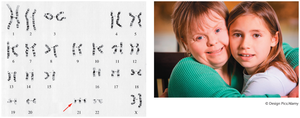
Origin of Extra 21st Chromosome
The extra chromosome 21 in Down syndrome arises from nondisjunction during meiosis, most often in the ovum. The incidence increases with the age of the pregnant person.
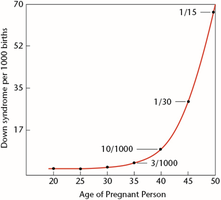
Human Aneuploidy
Other examples of human aneuploidy include Patau syndrome (trisomy 13) and Edwards syndrome (trisomy 18), both of which result in severe developmental issues and early lethality.
Polyploidy: Prevalence in Plants
Polyploidy
Polyploidy is common in plants and involves more than two multiples of haploid chromosomes. Types include triploid (3n), tetraploid (4n), and pentaploid (5n).
Origin of Polyploidy
Polyploidy can arise through:
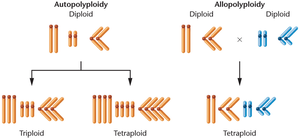
Autopolyploidy: Addition of chromosome sets identical to the haploid complement of the same species.
Allopolyploidy: Combination of chromosome sets from different species due to hybridization.
Autotetraploid
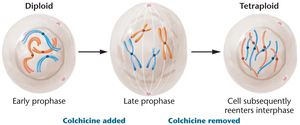
Autotetraploids are more common in nature than autotriploids due to their even chromosome number. They can be experimentally induced by colchicine, which prevents cell division after chromosome replication.
Allotetraploid and Amphidiploid
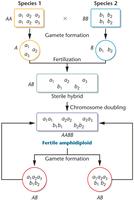
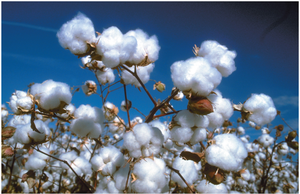
Allotetraploids contain four haploid genomes from separate species. Amphidiploids are allotetraploids where both original species are known, such as Gossypium (cotton plant).
Variation in Chromosome Composition and Arrangement
Chromosome Rearrangements
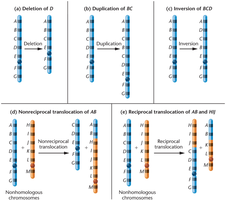
Chromosome rearrangements include deletions, duplications, inversions, and translocations. These changes can alter the total amount of genetic information or simply rearrange it.
Deletions: Missing Regions of Chromosomes
Deletions (Deficiency)
Deletions are missing regions of a chromosome, which can be terminal (near one end) or intercalary (interior). Deletions can cause compensation loops during synapsis.
Duplications: Repeated Segments of Chromosomes
Duplications
Duplications involve repeated segments of chromosomes, often arising from unequal crossing over during meiosis. They can produce compensation loops and lead to gene redundancy and amplification.
Gene redundancy: Multiple copies of genes, such as rRNA genes.
Gene amplification: Increased gene copy number, important in oocyte development.
Bar mutation: Duplications cause phenotypic variations, such as the Bar-eye phenotype in Drosophila.
Gene duplication: Major source of new genes in evolution.
Copy number variants (CNVs): Quantitative differences in large DNA sequences, affecting trait expression.
Inversions: Rearrangement of Linear Gene Sequence
Inversions
Inversions rearrange the linear gene sequence without loss of genetic information. A segment of the chromosome is turned 180 degrees. Types include:
Paracentric inversion: Centromere not part of inverted segment.
Pericentric inversion: Centromere is part of inverted segment.
Inversion loops form during meiosis to allow pairing between inverted and noninverted chromosomes. Inversion heterozygotes can produce recombinant chromatids with duplications and deletions.
Translocations: Altering Chromosomal Segment Location
Translocation
Translocation is the movement of a chromosomal segment to a new location in the genome. Reciprocal translocation involves exchange between two nonhomologous chromosomes, leading to unusual synapsis and possible semisterility in offspring.
Robertsonian translocation: Involves breaks at the ends of two acrocentric chromosomes, producing a large chromosome and is associated with familial Down syndrome.
Fragile Sites in Human Chromosomes
Fragile Sites
Fragile sites are regions of chromosomes more susceptible to breakage, often associated with nontightly coiled chromatin. They can be linked to genetic disorders and cancer.
Fragile-X Syndrome
Fragile-X syndrome is caused by trinucleotide repeats in the FMR1 gene on the X chromosome. It is the most common form of inherited intellectual disability and exhibits genetic anticipation, where the number of repeats increases with each generation.
Fragile Sites and Cancer
Some autosomal fragile sites are linked to cancer, such as the FHIT gene on FRA3B, which is altered or missing in lung cancer cells.
Summary Table: Chromosome Number Variation Terminology
Term | Definition |
|---|---|
Aneuploidy | Gain or loss of one or more chromosomes, not a complete set |
Monosomy | Loss of a single chromosome (2n - 1) |
Trisomy | Gain of a single chromosome (2n + 1) |
Euploidy | Complete haploid sets of chromosomes present |
Polyploidy | More than two sets of chromosomes present |
Triploid | Three sets of chromosomes (3n) |
Tetraploid | Four sets of chromosomes (4n) |
Additional info: These notes expand on brief points from the original slides, providing definitions, examples, and context for each chromosomal mutation type. Images included are directly relevant to the explanation of the adjacent paragraphs, reinforcing key concepts in chromosome variation and mutation.
