 뒤로
뒤로DNA Mutations: Causes, Types, and Consequences
스터디 가이드 - 스마트 노트
 자료에 맞춘 맞춤형 노트, 핵심 정의, 예시, 맥락을 확장해 제공합니다.
DNA Mutations: Causes, Types, and Consequences
Introduction to Mutations
Mutations are fundamental to genetics, representing changes in the DNA sequence that can have a range of effects on organisms. They are a primary source of genetic variation, which is essential for evolution and adaptation.
Mutation: Any unpredictable change in the structure or amount of DNA in an organism.
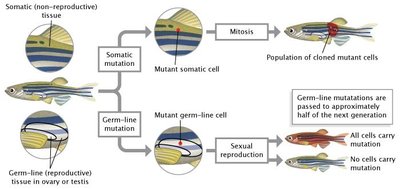
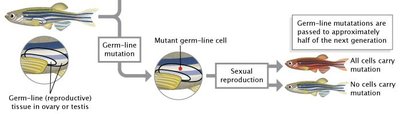
Mutations can occur in somatic cells (not inherited) or germline cells (heritable).
Mutations may be detrimental, neutral, or beneficial.
They can affect coding sequences (genes) or regulatory/non-coding sequences.
Genetic Variation and Evolution
Mutations provide the raw material for evolution. While some traits may arise by chance, natural selection can favor mutations that provide a survival or reproductive advantage.
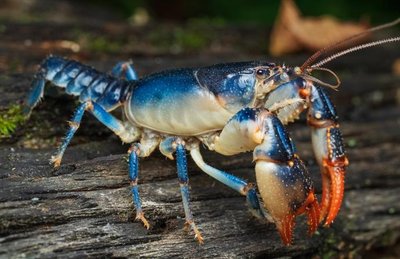
Example: The evolution of bright colors in crayfish may have occurred randomly, not as a direct adaptation.
Example: The lactose tolerance mutation in humans arose randomly but became advantageous in populations that consumed milk.
Types of Mutations
Mutations can occur at various scales, from single nucleotides to large chromosomal regions.
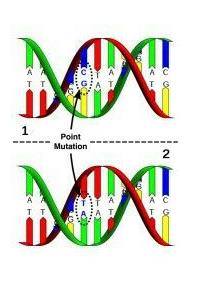
Point Mutations: Changes in a single nucleotide or a small number of nucleotides.
Chromosomal Mutations: Gain or loss of all or part of a chromosome.
Insertional Mutations: Insertion of large DNA regions, such as transposable elements.
Inheritance of Mutations
Only mutations in germline cells are passed to offspring. Somatic mutations affect only the individual.
Germline mutations are heritable and contribute to genetic diversity.
Somatic mutations can lead to diseases like cancer but are not inherited.
DNA Structure and Open Reading Frames (ORFs)
Understanding DNA structure and gene organization is essential for interpreting the effects of mutations.
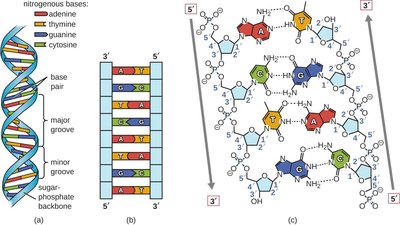
DNA is a double helix composed of nucleotide pairs (A-T, G-C).
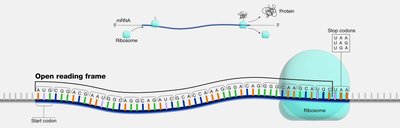
Open Reading Frame (ORF): A sequence of DNA that can be translated into protein, starting with a start codon and ending with a stop codon.
Categories of Point Mutations
Point mutations can be classified by the type of nucleotide change and their effect on protein coding.
Base Substitutions: Replacement of one nucleotide with another.
Transitions: Purine to purine (A↔G) or pyrimidine to pyrimidine (C↔T).
Transversions: Purine to pyrimidine or vice versa (A/G ↔ C/T).
Insertions/Deletions (Indels): Addition or removal of nucleotides, potentially causing frameshifts.
Functional Consequences of Point Mutations
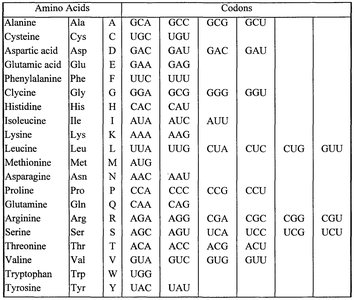
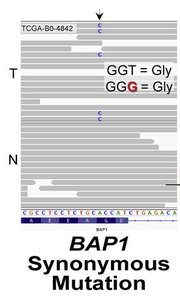
Synonymous (Silent) Mutations: Change the DNA sequence without altering the amino acid.
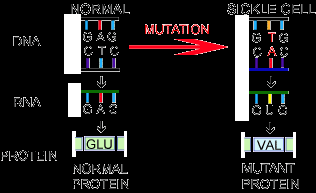
Nonsynonymous (Missense) Mutations: Change the amino acid sequence.
Conservative Missense: New amino acid is chemically similar.
Non-conservative Missense: New amino acid is chemically different.
Nonsense Mutations: Introduce a premature stop codon, truncating the protein.
Frameshift Mutations: Indels that shift the reading frame, altering downstream amino acids.
Effects on Gene Function
Wild type: No effect on gene function.
Loss-of-function: Gene function is reduced or eliminated.
Gain-of-function: Gene function is increased or altered.
Hypomorphic: Partial loss of function.
Null: Complete loss of function.
Hypermorphic: Increased activity.
Ectopic: Expression in the wrong time/place.
Neomorphic: New function acquired.
Examples of Mutation Effects
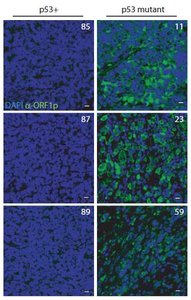
Loss-of-function: Mutations in the p53 gene are associated with many cancers.
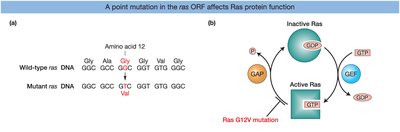
Gain-of-function: Mutations in the ras gene can lead to constitutive activation and cancer.
Mutations in Non-coding Regions
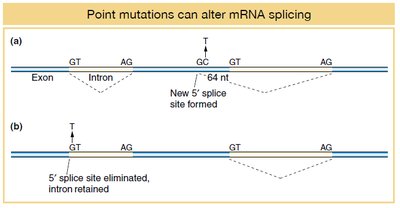
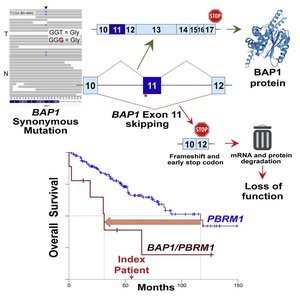
Mutations outside coding regions can disrupt gene regulation, splicing, and other processes.
Can affect transcription, splicing, mRNA stability, and translation.
Example: Synonymous mutations can disrupt splicing enhancers, leading to exon skipping and loss of function.
Detecting Mutation Effects
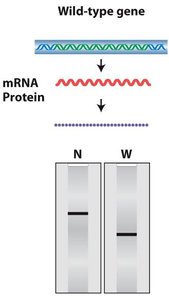
The impact of mutations can be assessed at the RNA and protein levels using laboratory techniques.
Northern blot: Detects RNA levels and size.
Western blot: Detects protein levels and size.
Mutations can lead to absence, reduction, or altered size of RNA/protein products.
Causes of DNA Mutations
Mutations arise from various sources, both internal and external to the cell.
DNA replication errors: Base mispairing, strand slippage.
Spontaneous chemical changes: Tautomerization, deamination, depurination.
Mutagens: Environmental agents that induce mutations.
DNA Replication Errors
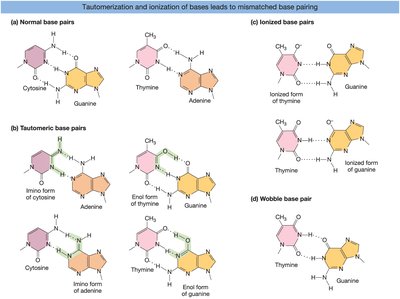
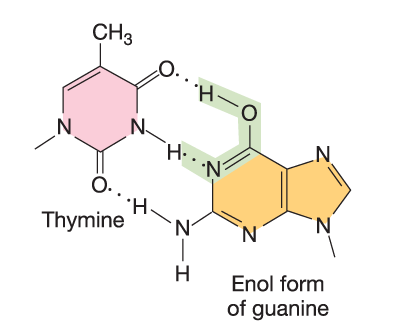
Base mispairing: Incorrect pairing during replication can lead to transitions or transversions.
Strand slippage: Can cause insertions or deletions, especially in repetitive sequences.
Tautomers: Rare forms of bases that pair incorrectly, leading to mutations if not corrected.
Summary Table: Types and Effects of Point Mutations
Type of Mutation | Definition | Effect on Protein | Example |
|---|---|---|---|
Synonymous (Silent) | Base change does not alter amino acid | No change | GGT → GGG (both code Gly) |
Missense (Conservative) | Base change alters amino acid to similar one | Minor effect | Lys → Arg |
Missense (Non-conservative) | Base change alters amino acid to different one | Major effect | Lys → Thr |
Nonsense | Base change creates stop codon | Truncated protein | CAA → UAA |
Frameshift | Indel shifts reading frame | Altered downstream sequence | +A or -A in coding region |
Key Equations and Concepts
Mutation Rate (μ): Probability of a mutation per gene per generation.
Transition/Transversion Ratio:
Frameshift Effect: (where n is the number of inserted/deleted bases not divisible by 3)
Conclusion
Mutations are central to genetics, providing diversity and driving evolution. Understanding their types, causes, and consequences is essential for interpreting genetic data and disease mechanisms.
