Ch. 11 - DNA Replication and Recombination
Klug - Concepts of Genetics  12th Edition
Klug12th EditionConcepts of Genetics ISBN: 9780135564776당신이 사용하는 게 아니라요?교과서 변경
11장, 문제 21

While many commonly used antibiotics interfere with protein synthesis or cell wall formation, clorobiocin, one of several antibiotics in the aminocoumarin class, inhibits the activity of bacterial DNA gyrase. Similar drugs have been tested as treatments for human cancer. How might such drugs be effective against bacteria as well as cancer?

검증된 단계별 안내
1
Understand the role of DNA gyrase: DNA gyrase is an enzyme that introduces negative supercoils into DNA, which is essential for processes like DNA replication and transcription in bacteria. Inhibiting this enzyme disrupts these processes, leading to bacterial cell death.
Recognize the mechanism of clorobiocin: Clorobiocin, as an aminocoumarin antibiotic, specifically targets bacterial DNA gyrase, preventing it from functioning properly. This makes it effective against bacterial infections by halting their ability to replicate and transcribe DNA.
Connect to cancer treatment: Cancer cells often exhibit rapid and uncontrolled cell division, which requires efficient DNA replication. Drugs that inhibit enzymes involved in DNA replication, such as topoisomerases (similar to DNA gyrase in bacteria), can slow or stop the proliferation of cancer cells.
Explore the similarity between bacterial and cancer cell targets: While bacterial DNA gyrase is distinct from human topoisomerases, both enzymes play critical roles in managing DNA topology during replication. Drugs like clorobiocin may be modified to target human topoisomerases, making them effective against cancer cells.
Consider the broader implications: The ability of such drugs to disrupt essential DNA processes highlights their potential as dual-purpose treatments, targeting both bacterial infections and rapidly dividing cancer cells. Further research and development are needed to optimize their specificity and minimize side effects.

비슷한 문제에 대한 검증된 영상 답변:

이 영상 해법은 위 문제에 도움이 된다고 튜터들이 추천한 것입니다.
영상 길이:
2m
도움이 되었나요?

주요 개념

질문에 올바르게 답하기 위해 반드시 이해해야 하는 핵심 개념들은 다음과 같습니다.

DNA Gyrase

DNA gyrase is an essential enzyme in bacteria that introduces negative supercoils into DNA, which is crucial for DNA replication and transcription. By inhibiting this enzyme, antibiotics like clorobiocin prevent bacteria from properly managing their DNA, leading to cell death. This mechanism is particularly effective against rapidly dividing bacterial cells.
추천 영상:
가이드 코스
01:45
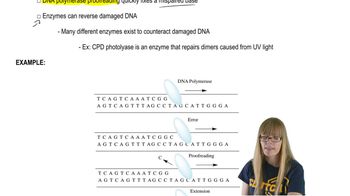
DNA Proofreading

Aminocoumarin Antibiotics

Aminocoumarin antibiotics, such as clorobiocin, target bacterial DNA gyrase and are known for their ability to disrupt DNA replication. These antibiotics are structurally related to coumarin and are effective against a range of Gram-positive and some Gram-negative bacteria. Their unique mechanism of action makes them a valuable tool in treating bacterial infections.
추천 영상:

Cancer Treatment Mechanisms

Some antibiotics, including those that inhibit DNA gyrase, have been explored for cancer treatment due to their ability to interfere with DNA replication in rapidly dividing cells, a hallmark of cancer. By targeting the DNA replication machinery, these drugs can potentially slow down or stop the proliferation of cancer cells, similar to their effect on bacteria.
추천 영상:
가이드 코스
09:46
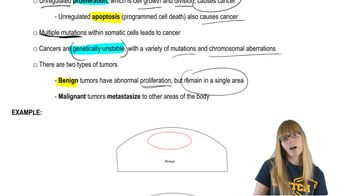
Cancer Characteristics