Ch. 22 - Applications of Genetic Engineering and Biotechnology
Klug - Concepts of Genetics 12th Edition
Klug12th EditionConcepts of GeneticsISBN: 9780135564776당신이 사용하는 게 아니라요?교과서 변경
22장, 문제 20

Would you have your genome sequenced, if the price was affordable? Why or why not? If you answered yes, would you make your genome sequence publicly available? How might such information be misused?

검증된 단계별 안내
1
Understand the concept of genome sequencing: Genome sequencing is the process of determining the complete DNA sequence of an organism's genome. It provides detailed information about genetic makeup, including potential predispositions to diseases and traits.
Consider the benefits of genome sequencing: Reflect on how having your genome sequenced could provide insights into your health, such as identifying genetic risks for diseases, understanding ancestry, or tailoring medical treatments to your genetic profile.
Evaluate the ethical and privacy implications: Think about whether you would want to make your genome sequence publicly available. Consider the potential risks, such as misuse of genetic information by insurance companies, employers, or other entities.
Assess the potential for misuse of genetic information: Explore scenarios where genetic data could be exploited, such as discrimination based on genetic predispositions or unauthorized use of data for research without consent.
Formulate your personal decision: Based on the benefits, risks, and ethical considerations, decide whether you would have your genome sequenced and whether you would make the data publicly available. Reflect on how you would safeguard your privacy and ensure ethical use of your genetic information.

비슷한 문제에 대한 검증된 영상 답변:

이 영상 해법은 위 문제에 도움이 된다고 튜터들이 추천한 것입니다.
영상 길이:
2m

주요 개념

질문에 올바르게 답하기 위해 반드시 이해해야 하는 핵심 개념들은 다음과 같습니다.

Genomic Sequencing

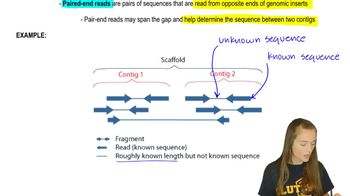
Genomic sequencing is the process of determining the complete DNA sequence of an organism's genome. This includes identifying the order of nucleotides in the DNA, which can provide insights into genetic predispositions to diseases, traits, and ancestry. As technology advances, the cost of sequencing has decreased, making it more accessible to individuals.
추천 영상:
가이드 코스
08:41
Sequencing Difficulties

Privacy and Ethical Considerations

The privacy of genetic information is a significant concern, as genomic data can reveal sensitive information about an individual's health and ancestry. Ethical considerations arise regarding who has access to this data, how it is used, and the potential for discrimination based on genetic predispositions. Individuals must weigh the benefits of sharing their genomic data against the risks of misuse.
추천 영상:
가이드 코스
07:11
Mapping with Markers

Potential Misuse of Genetic Information

Genetic information can be misused in various ways, including genetic discrimination by employers or insurance companies, unauthorized access to personal data, and the potential for stigmatization based on genetic traits. This misuse raises concerns about the implications of making genomic data publicly available, highlighting the need for regulations and safeguards to protect individuals' rights.
추천 영상:
가이드 코스
09:03
Modern Genetics
관련 실천
교과서 질문

Yeager, M., et al. [(2007) Nature Genetics 39:645–649] and Sladek, R., et al. [(2007) Nature 445:881–885] have used single-nucleotide polymorphisms (SNPs) in genome-wide association studies (GWAS) to identify novel risk loci for prostate cancer and Type 2 diabetes, respectively. Each study suggests that disease-risk genes can be identified that significantly contribute to the disease state. Given your understanding of such complex diseases, what would you determine as reasonable factors to consider when interpreting the results of GWAS?

410
views
교과서 질문

The National Institutes of Health created the Genetic Testing Registry (GTR) to increase transparency by publicly sharing information about the utility of their tests, research for the general public, patients, health-care workers, genetic counselors, insurance companies, and others. The Registry is intended to provide better information to patients, but companies involved in genetic testing are not required to participate. Should company participation be mandatory? Why or why not? Explain your answers.

552
views
교과서 질문

Following the tragic shooting of 20 children at a school in Newtown, Connecticut, in 2012, Connecticut's state medical examiner requested a full genetic analysis of the killer's genome. What do you think investigators might be looking for? What might they expect to find? Might this analysis lead to an oversimplified analysis of the cause of the tragedy?

420
views
교과서 질문

In 2013 the actress Angelina Jolie elected to have prophylactic double-mastectomy surgery to prevent breast cancer based on a positive test for mutation of the BRCA1 gene. What are some potential positive and negative consequences of this high-profile example of acting on the results of a genetic test?

786
views
교과서 질문

Private companies are offering personal DNA sequencing along with interpretation. What services do they offer? Do you think that these services should be regulated, and if so, in what way? Investigate one such company, 23andMe, at http://www.23andMe.com, before answering these questions.

575
views
교과서 질문

Should the FDA regulate direct-to-consumer genetic tests, or should these tests be available as a 'buyer beware' product?

585
views