
Ch. 24 - Cancer Genetics
Klug - Concepts of Genetics 12th Edition
Klug12th EditionConcepts of GeneticsISBN: 9780135564776당신이 사용하는 게 아니라요?교과서 변경
24장, 문제 5

How can mutations in non-coding segments of DNA contribute to the development of cancers?

검증된 단계별 안내
1
Understand that non-coding segments of DNA, often referred to as 'junk DNA', actually play crucial roles in regulating gene expression and maintaining genomic stability.
Recognize that mutations in these non-coding regions can disrupt regulatory elements such as promoters, enhancers, and silencers, which control when and where genes are turned on or off.
Consider how such disruptions can lead to the misregulation of oncogenes (genes that promote cell growth) or tumor suppressor genes (genes that inhibit cell growth), potentially leading to uncontrolled cell proliferation.
Explore the concept of epigenetic changes, where mutations in non-coding DNA can alter the chemical modifications of DNA or histones, affecting gene expression without changing the DNA sequence itself.
Reflect on how these mutations can contribute to the hallmarks of cancer, such as sustained proliferative signaling, evasion of growth suppressors, and resistance to cell death, ultimately leading to cancer development.

비슷한 문제에 대한 검증된 영상 답변:

이 영상 해법은 위 문제에 도움이 된다고 튜터들이 추천한 것입니다.
영상 길이:
1m
도움이 되었나요?

주요 개념

질문에 올바르게 답하기 위해 반드시 이해해야 하는 핵심 개념들은 다음과 같습니다.

Non-coding DNA

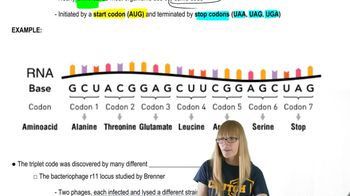
Non-coding DNA refers to segments of DNA that do not encode proteins but can play crucial roles in regulating gene expression and maintaining genome integrity. These regions include introns, promoters, and enhancers, which can influence how genes are turned on or off, impacting cellular functions and potentially leading to diseases like cancer.
추천 영상:
가이드 코스
11:43
The Genetic Code

Mutations

Mutations are changes in the DNA sequence that can occur due to various factors, including environmental influences or errors during DNA replication. While many mutations are neutral or harmful, some can affect regulatory elements in non-coding regions, leading to altered gene expression patterns that may promote uncontrolled cell growth and cancer development.
추천 영상:
가이드 코스
10:48
Mutations and Phenotypes

Cancer Development

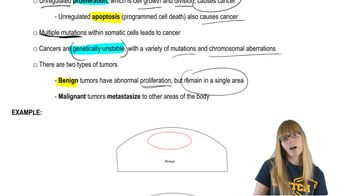
Cancer development is a complex process characterized by uncontrolled cell division and growth, often resulting from genetic alterations. Mutations in both coding and non-coding regions can disrupt normal regulatory mechanisms, leading to the activation of oncogenes or the inactivation of tumor suppressor genes, ultimately contributing to tumor formation and progression.
추천 영상:
가이드 코스
09:46
Cancer Characteristics