Ch. 6 - Genetic Analysis and Mapping in Bacteria and Bacteriophages
Klug - Concepts of Genetics  12th Edition
Klug12th EditionConcepts of Genetics ISBN: 9780135564776당신이 사용하는 게 아니라요?교과서 변경
6장, 문제 1a

How do we know that genes exist in bacteria and bacteriophages?

검증된 단계별 안내
1
Understand the historical context: Scientists first observed that bacteria and bacteriophages exhibit heritable traits, such as antibiotic resistance in bacteria or the ability of bacteriophages to infect specific bacterial strains. This suggested the presence of genetic material controlling these traits.
Review experiments demonstrating transformation: Frederick Griffith's experiments with Streptococcus pneumoniae showed that non-virulent bacteria could acquire virulence from heat-killed virulent bacteria. This transformation indicated the presence of genetic material in bacteria.
Examine experiments on conjugation: Joshua Lederberg and Edward Tatum demonstrated bacterial conjugation, where genetic material is transferred between bacterial cells through direct contact. This provided further evidence of genes in bacteria.
Consider bacteriophage experiments: The Hershey-Chase experiment used radioactive labeling to show that DNA, not protein, is the genetic material transferred by bacteriophages into bacteria during infection. This confirmed the existence of genes in bacteriophages.
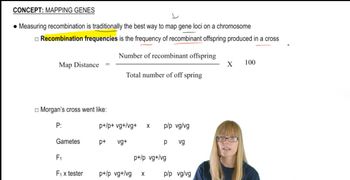
Analyze genetic mapping techniques: Techniques such as interrupted mating experiments in bacteria and recombination frequency analysis in bacteriophages allowed scientists to map genes, further proving their existence and organization in these organisms.

비슷한 문제에 대한 검증된 영상 답변:

이 영상 해법은 위 문제에 도움이 된다고 튜터들이 추천한 것입니다.
영상 길이:
1m
도움이 되었나요?

주요 개념

질문에 올바르게 답하기 위해 반드시 이해해야 하는 핵심 개념들은 다음과 같습니다.

Gene Theory

Gene theory posits that genes are the fundamental units of heredity, responsible for the transmission of traits from one generation to the next. In bacteria and bacteriophages, genes are segments of DNA that encode proteins, influencing various biological functions. The existence of genes in these organisms is supported by experimental evidence, such as mutations and phenotypic changes that correlate with specific genetic alterations.
추천 영상:

Genetic Recombination

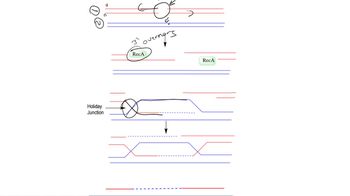
Genetic recombination is a process by which genetic material is exchanged between organisms, leading to new combinations of genes. In bacteria, this can occur through mechanisms like transformation, transduction, and conjugation, while bacteriophages can introduce new genetic material into bacterial genomes. This process not only demonstrates the presence of genes but also allows geneticists to map and study the genetic structure of these organisms.
추천 영상:
가이드 코스
03:37
Recombination after Double Strand Breaks

Molecular Techniques

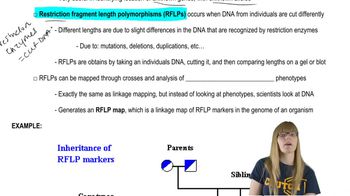
Molecular techniques, such as DNA sequencing and polymerase chain reaction (PCR), are essential tools for identifying and studying genes in bacteria and bacteriophages. These methods enable scientists to analyze genetic material directly, providing evidence for the existence of specific genes and their functions. By employing these techniques, researchers can confirm the presence of genes and explore their roles in various biological processes.
추천 영상:
가이드 코스
07:11
Mapping with Markers