뒤로
뒤로Acid Rain: Chemistry, Sources, Effects, and Control Strategies
스터디 가이드 - 스마트 노트
 자료에 맞춘 맞춤형 노트, 핵심 정의, 예시, 맥락을 확장해 제공합니다.
Acid Rain: Chemistry, Sources, Effects, and Control Strategies
Acid Rain – Definition and Basic Chemistry
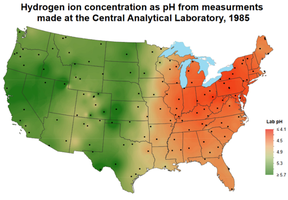
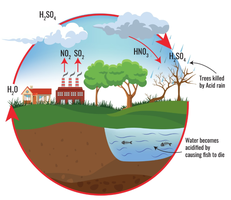
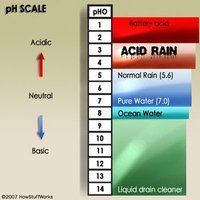
Acid rain refers to precipitation with a pH lower than 5.6, resulting from atmospheric reactions involving acidic oxides. Normal rain is slightly acidic due to dissolved carbon dioxide forming carbonic acid, but acid rain is primarily caused by the dissolution of sulfur oxides (SOx) and nitrogen oxides (NOx) in water, producing strong acids such as sulfuric and nitric acid.
Normal Rain Formation:
Acid Rain Threshold: Rain with pH < 5.6 is considered acid rain.
Acid Anhydrides: Nonmetal oxides (e.g., CO2, SO2, NO2) that react with water to form acids.
Strong Acid Formation: SOx and NOx form strong acids, causing a significant drop in rainwater pH.
Key Reactions:
(sulfurous acid)
(sulfuric acid)
(nitric acid)
Sources of Acid Anhydrides
Acid anhydrides responsible for acid rain originate from both natural and anthropogenic (man-made) sources.
Natural Sources
Volcanic eruptions (release SOx)
Lightning (produces NOx)
Forest fires (release both SOx and NOx)

Man-Made Sources
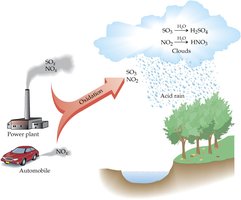
SOx: Coal-fired power plants, steel mills, heavy industry using coal
NOx: Automobiles, power plants
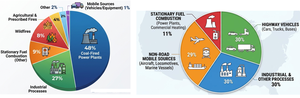
U.S. Sources of SOx and NOx (2024)
Source | SO2 | NOx |
|---|---|---|
Coal-Fired Power Plants | Major | Minor |
Highway Vehicles | Minor | Major |
Industrial Processes | Significant | Significant |
Wildfires | Minor | Minor |
Other | Minor | Minor |
Chemical Formation of Acid Rain
The combustion of fossil fuels releases sulfur and nitrogen oxides, which react in the atmosphere to form acids.
Sulfur Cycle:
Coal contains sulfur:
SO2 and SO3 react with water to form acids.
Nitrogen Cycle:
(high temperature/pressure)
NO2 reacts with OH radicals to form HNO3.
Damaging Effects of Acid Rain
Damage to Human-Made Materials
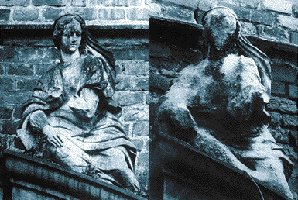
Acid rain accelerates the deterioration of buildings, monuments, and infrastructure, especially those made of marble, limestone, and iron.
Calcium Carbonate Reaction:
Iron Corrosion:

Damage to Lakes and Streams
Acid rain lowers the pH of aquatic environments, affecting biodiversity and causing the dissolution of toxic metals such as aluminum.
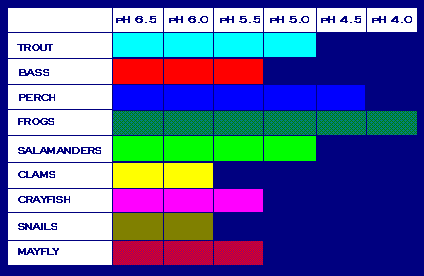
Healthy lakes: pH > 6.5
pH < 6: Sensitive species (clams, snails) affected
pH < 5: Only a few species survive (frogs, perch)
pH < 4: Most aquatic life dies
Species | pH 6.5 | pH 6.0 | pH 5.5 | pH 5.0 | pH 4.5 | pH 4.0 |
|---|---|---|---|---|---|---|
Trout | X | X | X | X | ||
Bass | X | X | X | |||
Perch | X | X | X | X | X | |
Frogs | X | X | X | X | X | X |
Salamanders | X | X | X | X | ||
Clams | X | X | ||||
Crayfish | X | X | X | |||
Snails | X | X | ||||
Mayfly | X | X | X | X | X | X |
Damage to Forests
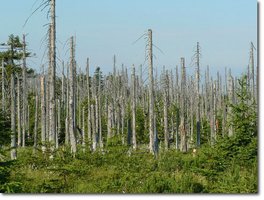
Acid rain, in combination with other environmental stresses, can damage forests by depleting soil nutrients and mobilizing toxic metals such as aluminum, which harm tree roots and reduce nutrient and water uptake.
Reduced Visibility
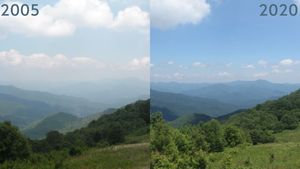
SO2 emissions contribute to the formation of sulfate particulates, causing haze and reducing visibility, especially in regions downwind of industrial sources.
Effects on Human Health
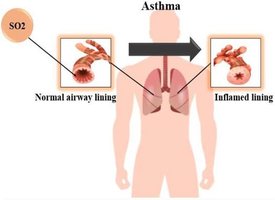
SO2 and NOx can irritate or damage the respiratory system, exacerbating conditions such as asthma and bronchitis. Acid rain can also mobilize toxic heavy metals (Pb, Cd, Hg) from rocks into water supplies.
Alkalinity and Buffering Capacity
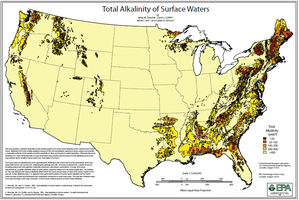
Alkalinity is the capacity of water to neutralize acids, primarily due to the presence of bicarbonate (HCO3-), carbonate (CO32-), and hydroxide (OH-) ions. High alkalinity helps maintain stable pH and protects aquatic life from acidification.
Major Source: Dissolution of limestone (CaCO3) in water.
Key Reactions:
Geographical Variation: Regions with limestone bedrock (e.g., Midwest, Florida) have higher alkalinity; regions with granite (e.g., Appalachians, Rockies) have lower alkalinity and are more vulnerable to acid rain.
Control Strategies
Efforts to reduce acid rain focus on limiting SO2 and NOx emissions through legislation, technological improvements, and energy transitions.
The Clean Air Act and Acid Rain Program
Comprehensive federal law regulating air emissions in the U.S.
1990 Amendments specifically targeted acid rain, urban smog, and toxic air emissions.
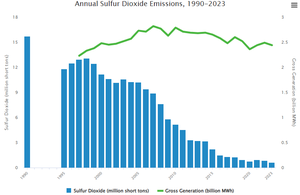
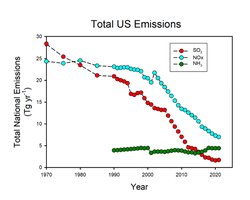
Resulted in dramatic reductions in SO2 and NOx emissions.
SO2 Emission Controls
Coal cleaning (removes sulfur before combustion)
Scrubbing (removes SO2 from exhaust gases):
Energy conservation, conversion to natural gas, renewable energy, and nuclear power
NOx Emission Controls
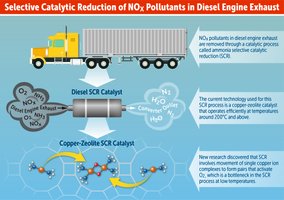
Technological advances: catalytic converters, ultra-low emission systems, fuel improvements, electric vehicles
Significant reductions in NOx emissions from both vehicles and power plants
Progress and Remaining Challenges
Acid rain is considered an environmental success story due to significant emission reductions and ecosystem recovery. However, ongoing regulatory changes and ecosystem stress mean that vigilance is still required.
Progress: Emissions of SO2 and NOx have dropped sharply; lakes and streams are recovering.
Ongoing Issues: Regulatory rollbacks can cause emission spikes; full ecosystem recovery is a long-term process.