 뒤로
뒤로Human Impact on the Environment and Strategies for Sustainability
스터디 가이드 - 스마트 노트
 자료에 맞춘 맞춤형 노트, 핵심 정의, 예시, 맥락을 확장해 제공합니다.
Human Population and Environmental Impact
Population Growth and Ecosystem Modification
The rapid increase in the human population has significantly altered Earth's ecosystems. Human ability to communicate and transfer knowledge has enabled large-scale manipulation of the environment, often resulting in detrimental effects on both humans and other species.
Ecosystem: A system comprising all living species and their interactions with the physical environment.
Human activities can disrupt biogeochemical cycles (phosphorus, nitrogen, carbon), alter climate, and cause habitat loss and extinction.
Resource Use: Renewable vs. Non-Renewable
Types of Resources
Resources are classified based on their ability to replenish:
Renewable Resources: Naturally replenished (e.g., water, solar energy, plants, animals). Sustainable use is essential to prevent depletion.
Non-Renewable Resources: Finite in supply (e.g., fossil fuels, minerals, land). Once used, they cannot be replaced.
Pollution and Its Types
Definition and Sources
Pollution is any unwanted alteration of the environment, often resulting from human activity. The environmental impact is proportional to population size and consumption patterns.
Types of Pollution: Air, land, water, food, energy, minerals, and wastes.
Air Pollution and Human Impacts
Composition and Effects
The atmosphere consists mainly of nitrogen (79%), oxygen (21%), and trace gases. Human activities release thousands of chemicals and particles, contributing to ozone destruction, global warming, acid rain, and smog.
Major sources: Vehicle exhaust, fossil fuel burning, industrial processes, and agriculture.
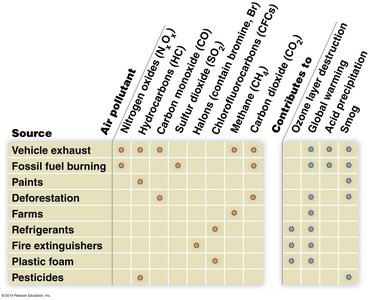
Key air pollutants: Nitrogen oxides, hydrocarbons, carbon monoxide, sulfur dioxide, halons, methane, chlorofluorocarbons (CFCs), and carbon dioxide.
These pollutants contribute to ozone layer destruction, global warming, acid precipitation, and smog.
Land Use and Its Environmental Impact
Urbanization, Agriculture, and Deforestation
Land is essential for human habitation, agriculture, industry, and infrastructure. Expansion of cities (urban sprawl) and deforestation lead to habitat loss, desertification, and reduced biodiversity.
Desertification: Productive land becomes desert-like due to overgrazing and poor land management.
Deforestation: Removal of forests for human needs, leading to loss of biodiversity and soil degradation.
Water Resources and Pollution
Availability and Human Impact
Freshwater is less than 1% of Earth's water and is unevenly distributed. More developed countries (MDCs) use significantly more water than less developed countries (LDCs), often for non-essential purposes.
Dams: Used for irrigation and hydroelectric power but can disrupt ecosystems and reduce water flow downstream.
Aquifers: Over-extraction can cause soil compaction, sinkholes, and saltwater intrusion.
Water Pollution
Urbanization, industrialization, and agriculture increase runoff and introduce pollutants into waterways, leading to health risks and ecosystem damage.
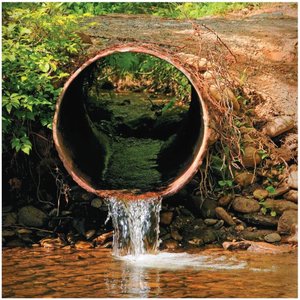
Eutrophication: Excess nutrients (e.g., phosphates) increase bacterial growth, depleting oxygen and killing aquatic life.
Oil Spills: Harm marine life and disrupt breeding grounds.
Toxic Pollutants: Substances like PCBs and pesticides persist in the environment and accumulate in organisms (biological magnification).
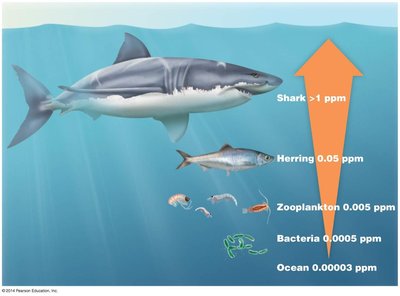
Biological magnification: Pollutant concentrations increase at higher trophic levels in the food chain.
Food Production and Environmental Impact
Modern Agriculture and Overfishing
Modern farming relies on monoculture, heavy use of fertilizers and pesticides, and high fossil fuel consumption. Overfishing and non-selective fishing methods reduce biodiversity and disrupt aquatic ecosystems.
Energy and Mineral Use
Consumption Patterns and Environmental Effects
Most of the world's energy comes from non-renewable fossil fuels, contributing to greenhouse gas accumulation and global warming. Mining for minerals can damage land and introduce toxic substances into the environment.
Heavy metals: Improper disposal can disrupt biological processes, including enzyme activity.
Waste Management
Types and Environmental Concerns
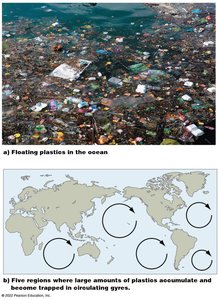
Garbage, sewage, and industrial wastes require safe disposal methods. Plastics are particularly problematic due to their persistence and potential to release toxic chemicals when incinerated. Ocean gyres accumulate large amounts of plastic debris, impacting marine life and ecosystems.
Biodiversity Loss
Causes and Consequences
Biodiversity refers to the variety of life on Earth. Human activities such as habitat destruction, pollution, introduction of exotic species, and overexploitation accelerate species extinction rates.
Direct value: Medicinal, agricultural, and consumptive uses.
Indirect value: Ecosystem services like waste disposal, water purification, soil erosion prevention, and climate regulation.
Sustainability and Strategies for the Future
Definition and Importance
A sustainable society meets present needs without compromising the ability of future generations to meet theirs. This requires reducing reliance on non-renewable resources, conserving water, and protecting ecosystems.
Strategies for Sustainability
Reduce, Reuse, Recycle: Consume less, extend product lifespans, and recycle materials to minimize resource use and waste.
Sustainable agriculture: Crop rotation, composting, and reduced chemical use maintain soil health and reduce pollution.
Buy locally: Reduces transportation emissions and supports local economies.
Green roofs: Planting vegetation on rooftops in urban areas restores natural water cycles, absorbs pollutants, and reduces energy use.

Conserve energy: Use energy-efficient transportation and renewable energy sources (solar, geothermal).
Lower fertility rates: Reduces resource consumption and environmental impact.
Reduce poverty: Provides alternatives to environmentally destructive practices.
Protect ecosystems: Maintain greenbelts, wetlands, and forests for biodiversity and ecosystem services.
Conclusion
Human activities have caused significant environmental challenges, but sustainable strategies can mitigate these impacts. Individual and collective actions are essential to ensure a healthy planet for current and future generations.
