뒤로
뒤로
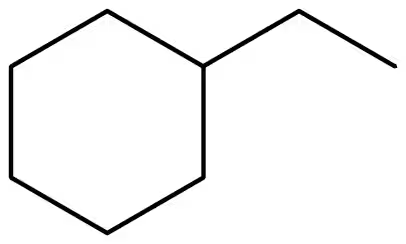
문제 48a
Give the IUPAC name for each of the following:
a.
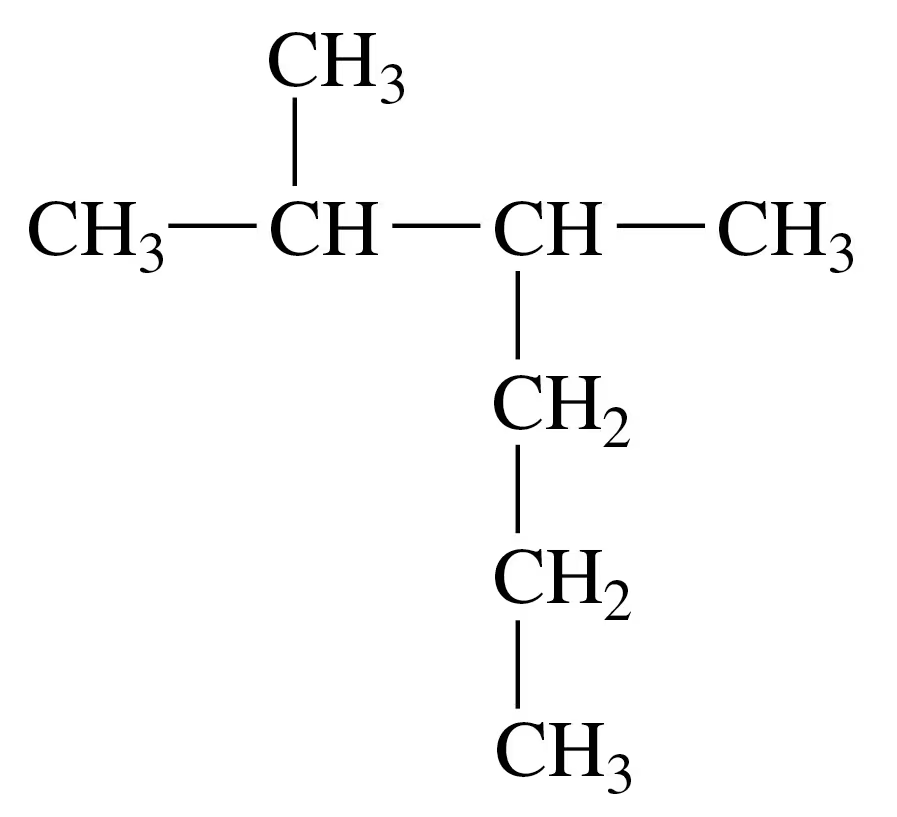
문제 48c
Give the IUPAC name for each of the following:
c.
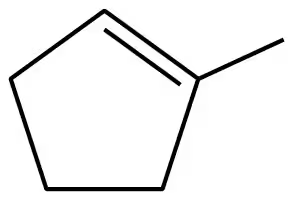
문제 49a
Give the IUPAC name (including cis or trans, if needed) for each of the following:
a.
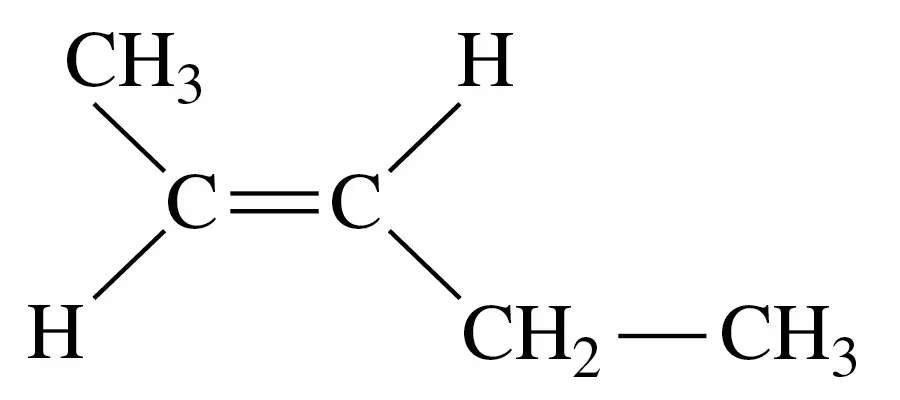
문제 49c
Give the IUPAC name (including cis or trans, if needed) for each of the following:
c.
문제 52a
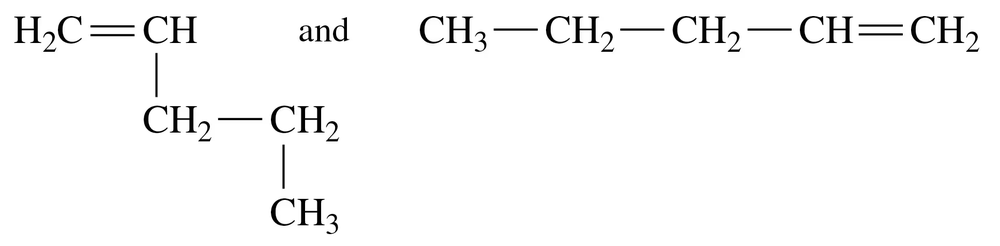
Identify the following pairs of structures as structural isomers, cis–trans isomers, or the same molecule:
a.
문제 55a
Draw the condensed structural or line-angle formula if cyclic, for each of the following:
a. bromocyclopropane
문제 55b
Draw the condensed structural or line-angle formula if cyclic, for each of the following:
b. 1,1-dibromo-2-pentyne
문제 56c
Draw the condensed structural or line-angle formula if cyclic, for each of the following:
c. 2,3-dichloro-1-butene
문제 59b
Draw the line-angle formula for each of the following:
b. 2,5-dibromophenol
문제 63a
Give the name for the product from the hydrogenation of each of the following:
a. 3-methyl-2-pentene
문제 64c
Give the name for the product from the hydrogenation of each of the following:
c. cyclopropene
문제 66a
Draw the condensed structural or line-angle formula for the product of each of the following:
a.
문제 66b
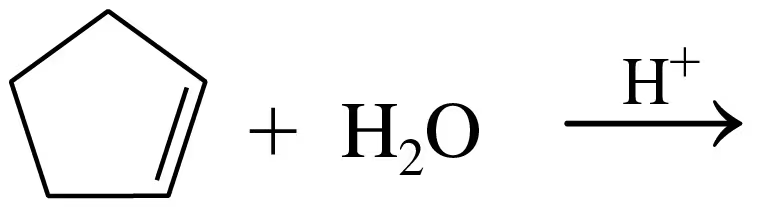
Draw the condensed structural or line-angle formula for the product of each of the following:
b.
문제 69
Draw the condensed structural formulas for all the possible alkane isomers that have a total of six carbon atoms and a four-carbon chain.
문제 70
Draw the condensed structural formulas for all the possible haloalkane isomers that have four carbon atoms and a bromine.
문제 72a
Consider the compound ethylcyclopentane.
a. Draw the line-angle formula for ethylcyclopentane.
문제 73a
Explosives used in mining contain TNT, or trinitrotoluene.
<IMAGE>
a. If the functional group nitro is ―NO2 draw the line-angle formula for 2,4,6-trinitrotoluene, one isomer of TNT.
문제 73b
Explosives used in mining contain TNT, or trinitrotoluene.
<IMAGE>
b. TNT is actually a mixture of isomers of trinitrotoluene. Draw the line-angle formulas for two other possible isomers.