뒤로
뒤로
문제 58c
Write the IUPAC and common names, if any, for each of the following:
c.
문제 58e
Write the IUPAC and common names, if any, for each of the following:
e.
문제 59c
Draw the condensed structural formulas for a and b and line-angle formulas for c and d:
c. 3-bromopentanoic acid
문제 60a
Draw the condensed structural formulas for a and b and line-angle formulas for c and d:
a. pentyl formate
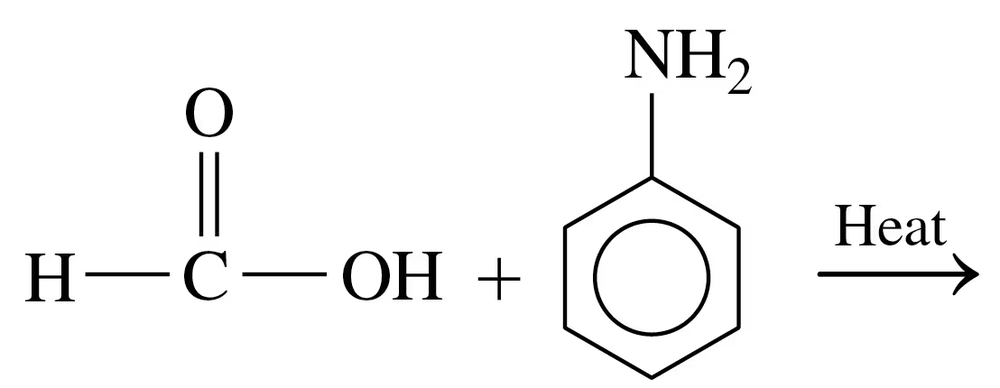
문제 61c
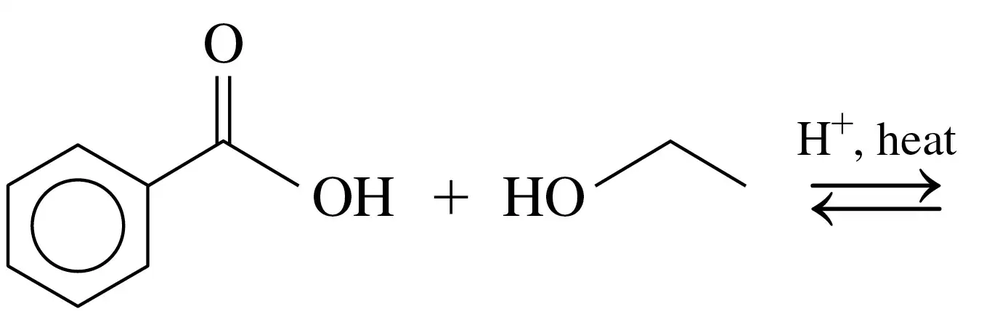
Draw the condensed structural or line-angle formulas for the products of the following:
c.
문제 62b
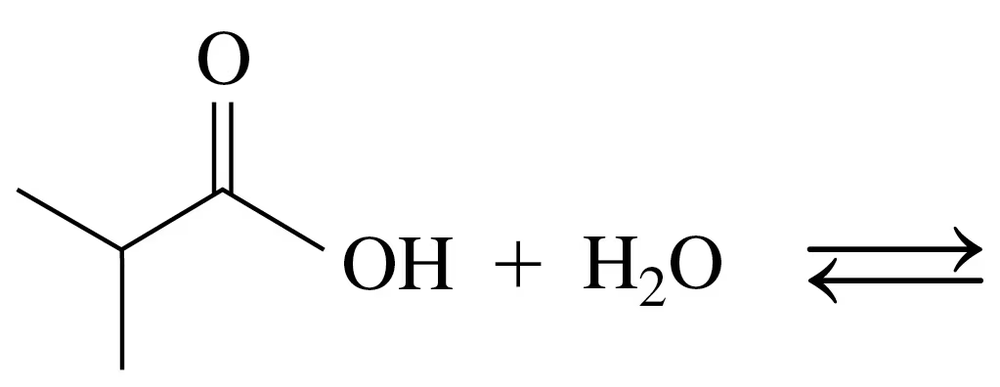
Draw the condensed structural or line-angle formulas for the products of the following:
b.
문제 62d
Draw the condensed structural or line-angle formulas for the products of the following:
d.
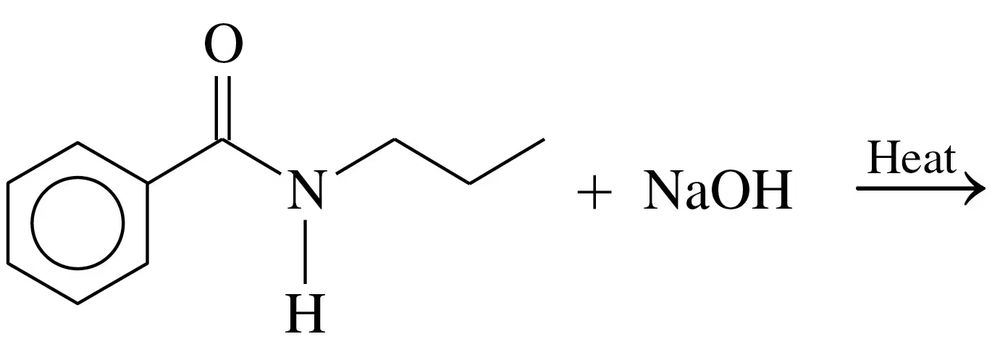
문제 63c
Draw the condensed structural or line-angle formulas for the products of the following:
c.
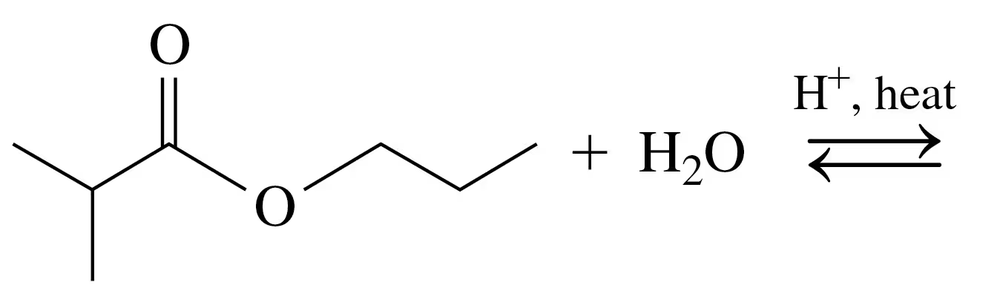
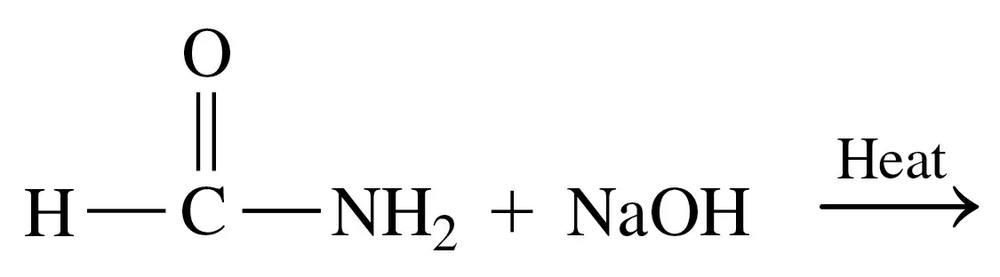
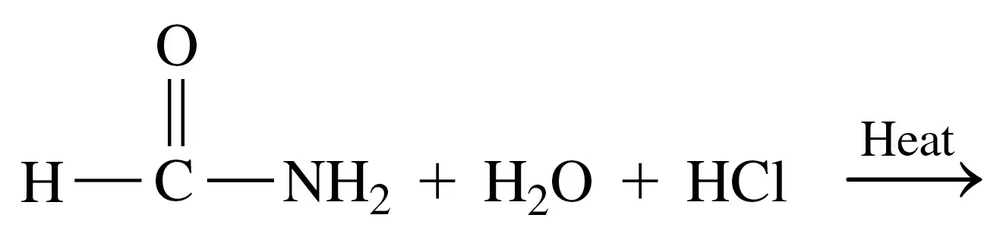
문제 64a
Draw the condensed structural or line-angle formulas for the products of the following:
a.
문제 64b
Draw the condensed structural or line-angle formulas for the products of the following:
b.
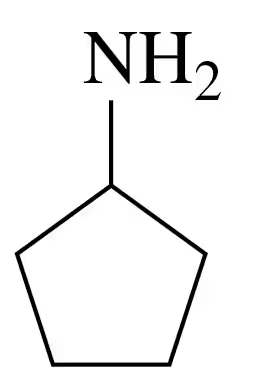
문제 66a
Write the common name and classify each of the following compounds as primary (1°), secondary (2°), or tertiary (3°): (14.5)
a.
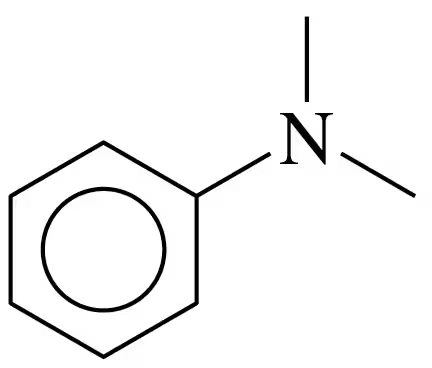
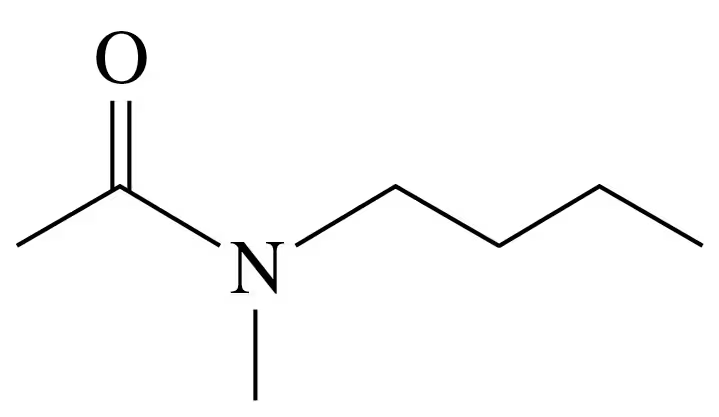
문제 66b
Write the common name and classify each of the following compounds as primary (1°), secondary (2°), or tertiary (3°):
b.
문제 67b
Draw the condensed structural or line-angle formula if cyclic, for each of the following:
b. cyclohexylamine
문제 67d
Draw the condensed structural or line-angle formula if cyclic, for each of the following:
d. N-propylaniline
문제 68d
Draw the condensed structural or line-angle formula if cyclic, for each of the following:
d. ethylmethylammonium bromide
문제 69a
Draw the condensed structural or line-angle formulas for the products of the following:
a. CH3–CH2–NH2 + H2O ⇌
문제 72b
Write the IUPAC name for each of the following:
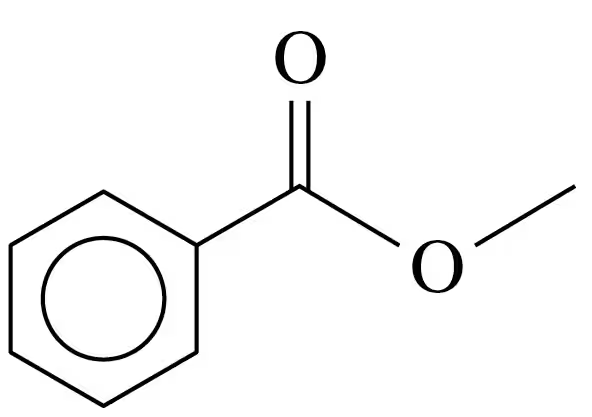
b .
문제 73a
Draw the condensed structural or line-angle formulas for the products from the hydrolysis of each of the following:
a.
문제 73b
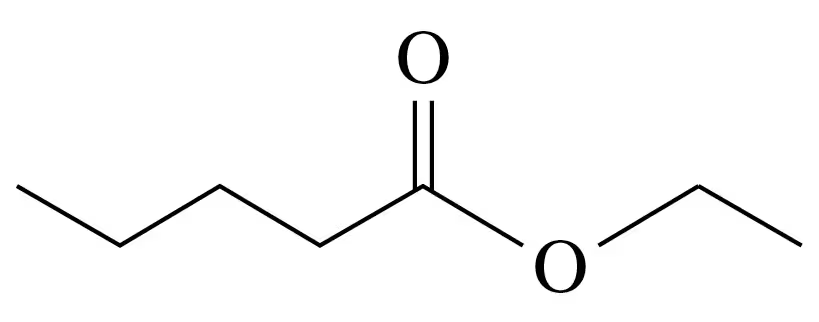
Draw the condensed structural or line-angle formulas for the products from the hydrolysis of each of the following:
b.
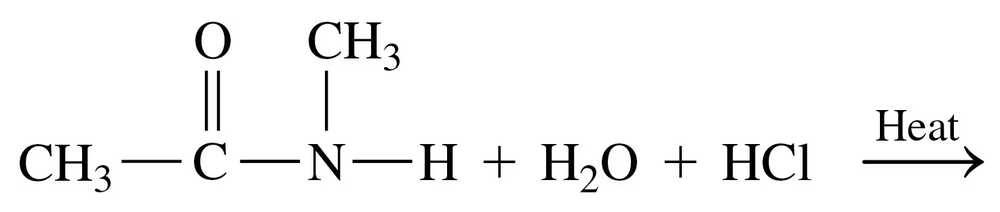
문제 74b
Draw the condensed structural or line-angle formulas for the products from the hydrolysis of each of the following:
b.
문제 77a
Draw the line-angle formula and write the IUPAC name for each of the following:
a. A carboxylic acid that has the formula C6H12O2, with no substituents
문제 79a
Propyl acetate is the ester that gives the odor and smell of pears.
<IMAGE>
a. Draw the condensed structural formula for propyl acetate.
문제 79b
Propyl acetate is the ester that gives the odor and smell of pears.
<IMAGE>
b. Write the balanced chemical equation for the formation of propyl acetate.
문제 79d
Propyl acetate is the ester that gives the odor and smell of pears.
<IMAGE>
d. Write the balanced chemical equation for the base hydrolysis of propyl acetate with NaOH.
문제 79e
Propyl acetate is the ester that gives the odor and smell of pears.
<IMAGE>
e. How many milliliters of a 0.208 M NaOH solution is needed to completely hydrolyze (saponify) 1.58 g of propyl acetate?
문제 80c
Ethyl octanoate is a flavor component of mangoes.
<IMAGE>
c. Write the balanced chemical equation for the acid hydrolysis of ethyl octanoate.
문제 80e
Ethyl octanoate is a flavor component of mangoes.
<IMAGE>
e. How many milliliters of a 0.315 M NaOH solution is needed to completely hydrolyze (saponify) 2.84 g of ethyl octanoate?
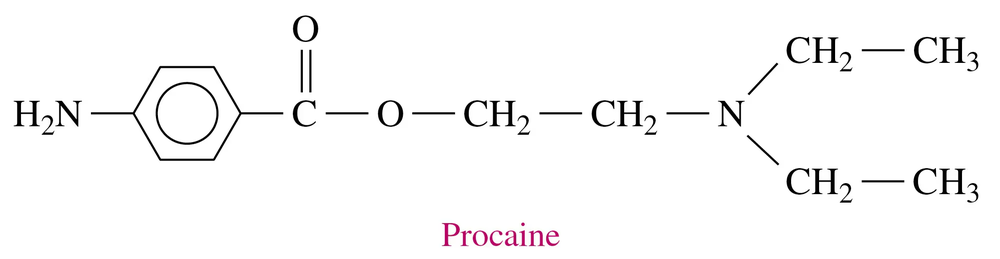
문제 81a
Novocain, a local anesthetic, is the ammonium salt of procaine.
a. Draw the condensed structural formula for the ammonium salt (procaine hydrochloride) formed when procaine reacts with HCl. (Hint: The tertiary amine reacts with HCl.)
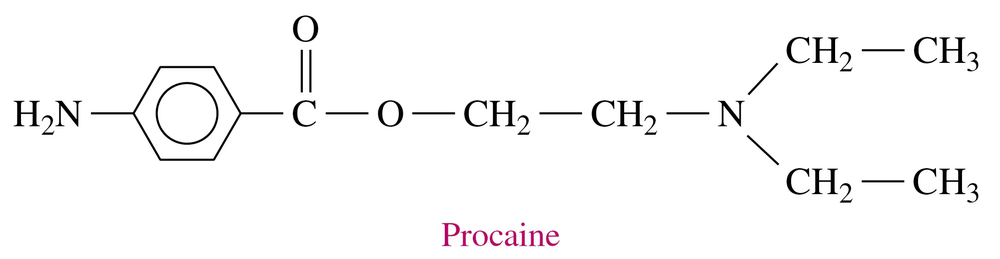
문제 81b
Novocain, a local anesthetic, is the ammonium salt of procaine.
b. Why is procaine hydrochloride used rather than procaine?
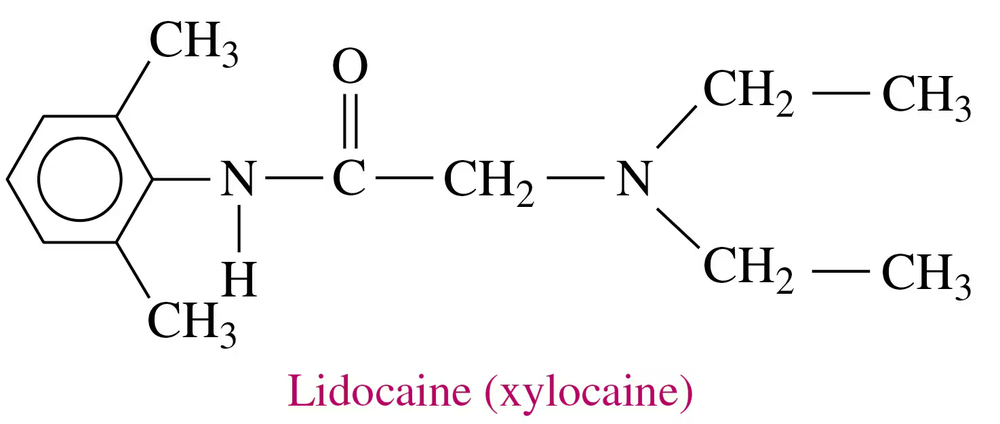
문제 82a
Lidocaine (xylocaine) is used as a local anesthetic and cardiac depressant.
a. Draw the condensed structural formula for the ammonium salt formed when lidocaine reacts with HCl.