Skip to main content
Macroeconomics
나의 코스
배우기
시험 준비
AI 튜터
학습 가이드
플래시카드
탐험해 보세요
앱을 사용해 보세요
나의 코스
배우기
시험 준비
AI 튜터
학습 가이드
플래시카드
탐험해 보세요
앱을 사용해 보세요
뒤로
Dynamic AD-AS Model: Introduction definitions
카드를 뒤집기 위해 탭할 수 있습니다.
Dynamic AD-AS Model
카드를 뒤집기 위해 탭할 수 있습니다.
👆
Dynamic AD-AS Model
A framework where aggregate demand and supply curves shift over time, capturing ongoing economic growth and inflation.
진행 상황 추적
컨트롤 버튼이 '내비게이션' 모드로 변경되었습니다.
1/15
관련 플래시카드
관련 실천
추천 영상
Dynamic AD-AS Model: Introduction quiz
Dynamic AD-AS Model: Introduction
15 용어
Dynamic AD-AS Model: Introduction
23. Dynamic AD/AS Model
10 문제점
주제
Dynamic AD-AS Model: Inflation and Recession
23. Dynamic AD/AS Model
10 문제점
주제
25. Dynamic AD/AS Model
4 주제
15 문제점
장
VideoThumbView.guidedCourse
04:59
Dynamic AD-AS Model: Introduction
238
views
7
rank
이 집합의 용어 (15)
하이드의 정의
Dynamic AD-AS Model
A framework where aggregate demand and supply curves shift over time, capturing ongoing economic growth and inflation.
Aggregate Demand
Total spending on goods and services in an economy, influenced by population, income, and government expenditures.
Aggregate Supply
Total output producers are willing to supply at various price levels, shifting with technological progress and labor force changes.
Long-Run Aggregate Supply
Represents the economy's potential output at full employment, increasing as technology and population grow.
Short-Run Aggregate Supply
Reflects current production capacity, adjusting rightward with improvements in technology and workforce expansion.
Potential GDP
The highest sustainable output an economy can achieve when operating at full employment, rising with economic growth.
Equilibrium
The point where aggregate demand and aggregate supply intersect, determining the economy's output and price level.
Consumer Price Index
A measure tracking changes in the average price of a basket of goods and services over time.
Inflation
A general increase in prices across the economy, commonly observed over the long term in most countries.
Recession
A period of declining economic activity, often associated with reduced output and demand.
Technological Advancement
Improvements in methods or tools that boost productivity and shift supply curves rightward.
Population Growth
An increase in the number of people, leading to higher consumption, investment, and government spending.
Government Spending
Expenditures by the public sector, which tend to rise as the population expands.
Investment
Expenditures by businesses on capital goods, increasing as the economy grows and opportunities expand.
Price Level
The average of current prices across the entire spectrum of goods and services produced in the economy.
 뒤로뒤로
뒤로뒤로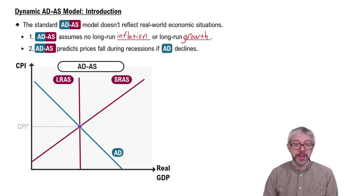
 04:59
04:59