 뒤로
뒤로Endocrine System: Medical Terminology and Clinical Concepts
스터디 가이드 - 스마트 노트
 자료에 맞춘 맞춤형 노트, 핵심 정의, 예시, 맥락을 확장해 제공합니다.
Endocrine System Overview
Components of the Endocrine System
The endocrine system is a collection of ductless glands that secrete hormones directly into the bloodstream. These hormones regulate various physiological processes by acting on target tissues or organs throughout the body.
Endocrine glands: Pineal gland, thyroid gland, parathyroid glands, pancreas, adrenal glands, ovaries, testes, pituitary gland, thymus.
Hormone: A chemical messenger transported by the blood to specific target tissues or organs, where it elicits a physiological response.
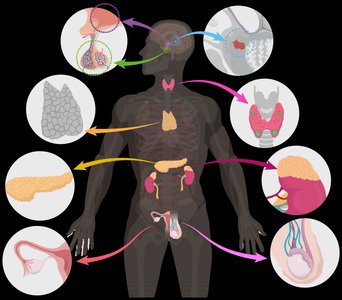
Example: The pancreas secretes insulin, which lowers blood glucose levels, while the adrenal glands secrete adrenaline for the fight-or-flight response.
Pituitary Gland: The Master Gland
Structure and Function
The pituitary gland, often called the "master gland," releases hormones that regulate other endocrine glands. It is divided into anterior and posterior lobes and is directly connected to and controlled by the hypothalamus.
Anterior pituitary: Produces hormones such as FSH, LH, ACTH, TSH, prolactin, and growth hormone.
Posterior pituitary: Releases oxytocin and vasopressin (antidiuretic hormone, ADH).
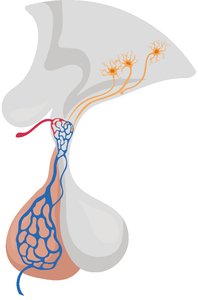
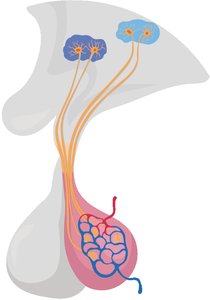
Example: The anterior pituitary secretes growth hormone (GH), which stimulates cell division and growth in various tissues.
Major Endocrine Glands and Hormones
Adrenal Glands
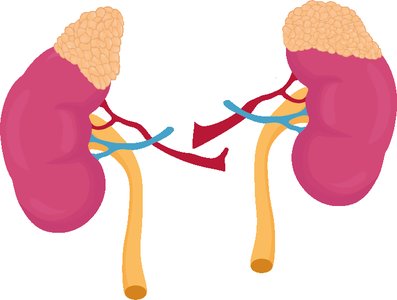
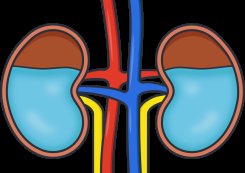
The adrenal glands are located on top of each kidney and produce several important hormones.
Glucocorticoids (e.g., cortisol): Regulate carbohydrate metabolism and stress response.
Mineralocorticoids (e.g., aldosterone): Control electrolyte and water balance.
Adrenaline (epinephrine) and norepinephrine: Mediate the fight-or-flight response.
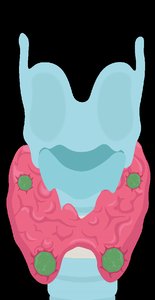
Thyroid and Parathyroid Glands
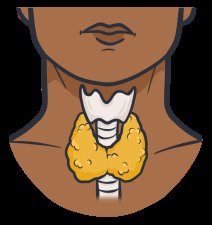
The thyroid gland produces hormones that regulate metabolism, while the parathyroid glands control calcium balance.
Thyroxine (T4) and Triiodothyronine (T3): Major metabolic hormones.
Calcitonin: Lowers blood calcium levels.
Parathyroid hormone (PTH): Raises blood calcium levels.
Pineal Gland
The pineal gland secretes melatonin, which regulates the sleep-wake (circadian) cycle.
Pancreas
The pancreas has both endocrine and exocrine functions. Its endocrine portion regulates blood glucose levels.
Insulin: Lowers blood sugar.
Glucagon: Raises blood sugar.
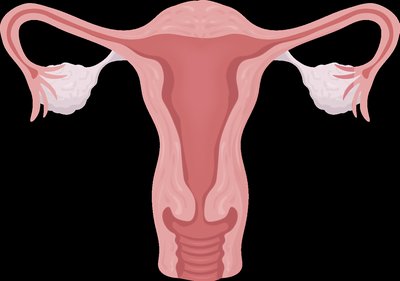
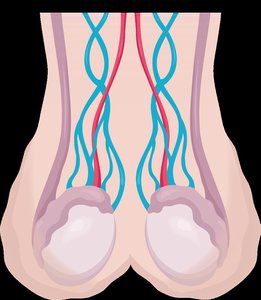
Gonads (Ovaries and Testes)
The gonads produce sex hormones responsible for secondary sexual characteristics and reproduction.
Ovaries: Estrogen and progesterone (female sex hormones).
Testes: Testosterone (male sex hormone).
Medical Terminology: Word Building
Combining Forms
Combining forms are used to construct medical terms related to the endocrine system.
Combining Form | Definition |
|---|---|
adren/o | adrenal gland |
hormon/o | excite, to set in motion |
viril/o | masculine |
andr/o | male |
estr/o | female |
gonad/o | seed, sex glands |
kal/i | potassium (K) |
natr/o | sodium (Na) |
myx/o | mucus |
gest/o | to bear, carry young |
ger/o | old age |
hirsut/o | hairy |










Suffixes
Suffixes are added to word roots or combining forms to modify their meaning.
Suffix | Definition |
|---|---|
-tropin, -tropic | to stimulate, pertaining to stimulating |
-prandial | pertaining to a meal |
-dipsia | thirst |
Endocrine Pharmacology & Pathology
Common Disorders and Terms
Medical Term | Definition |
|---|---|
Aquaretics | A diuretic that does not cause loss of electrolytes like sodium or potassium. |
Diabetes Insipidus | Disorder marked by excessive thirst due to antidiuretic hormone deficiency of the pituitary gland. |
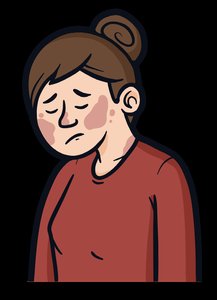
Addison’s Disease | Adrenocortical hormone deficiency marked by hyperpigmentation and chronic fatigue. |
Cushing Syndrome | Condition marked by swelling of body parts caused by prolonged exposure to cortisol. |
Goiter | Enlargement of the thyroid gland due to iodine deficiency. |
Simmonds Disease | Condition resulting from atrophy of the anterior pituitary gland. |
Graves Disease | Autoimmune condition causing the thyroid gland to become overactive (hyperthyroidism). |
Hashimoto’s Disease | Chronic autoimmune condition where the immune system attacks the thyroid gland (hypothyroidism). |



Endocrine Diagnostic and Laboratory Terms
Common Diagnostic Tests
Medical Term | Definition |
|---|---|
Fasting Blood Sugar (FBS) | Blood test that measures the amount of glucose after a 12-hour fast. |
Glucose Tolerance Test (GTT) | Blood test that measures how the body processes sugar; involves fasting and then drinking glucose. |
Hb A1C Test | Blood test used to diagnose diabetes; measures average blood glucose over 3 months. |
Thyroid Function Test (TFT) | Blood test that determines thyroid function by measuring levels of T3, T4, and TSH. |
Protein-Bound Iodine Test (PBI) | Measures thyroid function by the amount of iodine attached to serum protein. |
Radioactive Iodine Uptake (RAIU) | Diagnostic test used to measure how much radioactive iodine the thyroid gland absorbs over time. |


Key Medical Terms and Examples
Hyperkalemia: Medical condition of high potassium levels in the blood.
Progeria: Rare genetic disorder that causes premature old age in children.
Myxedema: Severe form of hypothyroidism, where accumulation of a mucus-like substance under the skin causes swelling and life-threatening symptoms.
Gynecomastia: Abnormal condition of the breast due to hormonal imbalance, leading to overgrowth of breast tissue in males.
Gonadotropin: Hormones produced in the anterior pituitary that stimulate the ovaries or testes.
Polydipsia: Intense thirst due to fluid imbalance.
Postprandial hyperglycemia: High blood sugar after a meal.
