 뒤로
뒤로Chapter 2
스터디 가이드 - 스마트 노트
 자료에 맞춘 맞춤형 노트, 핵심 정의, 예시, 맥락을 확장해 제공합니다.
Biochemistry Basics in Microbiology
Atoms and Elements
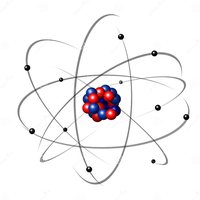
Atoms are the fundamental units of matter, forming the basis of all substances, including those essential for life. Understanding atomic structure is crucial for grasping the chemical principles underlying microbiology.
Atom: The smallest unit of an element, consisting of a nucleus (protons and neutrons) and electrons orbiting the nucleus.
Subatomic Particles: Protons (positive charge), neutrons (neutral), and electrons (negative charge).
Atomic Number: Number of protons in the nucleus; defines the element.
Atomic Mass: Sum of protons and neutrons in the nucleus.
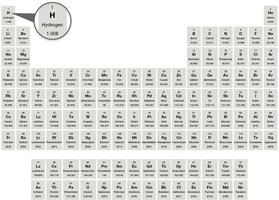
Periodic Table: Organizes elements by atomic number and provides information such as chemical symbol and atomic mass.
Ions and Isotopes
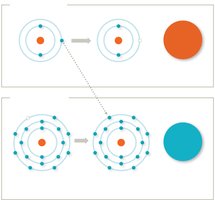
Atoms can gain or lose electrons to form ions, or vary in neutron number to form isotopes. These variations are important in biological systems and medical applications.
Ion: An atom with a net charge due to loss or gain of electrons.
Cation: Positively charged ion (lost electrons).
Anion: Negatively charged ion (gained electrons).
Isotope: Atoms of the same element with different numbers of neutrons; some are used in medical diagnostics and treatments.
Molecules, Compounds, and Isomers
Molecules are formed when atoms bond together. Compounds are molecules with more than one type of element. Isomers have the same molecular formula but different structures.
Molecule: Two or more atoms bonded together.
Compound: Molecule with different types of elements.
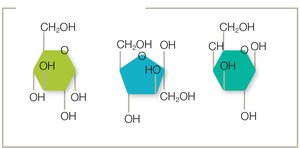
Isomer: Molecules with identical formulas but different structures (e.g., glucose and fructose).
Molecular Formula: Indicates the types and numbers of atoms in a molecule (e.g., ).
Organic and Inorganic Molecules & Functional Groups
Organic molecules contain both carbon and hydrogen, while inorganic molecules may contain carbon or hydrogen, but not both together. Functional groups are specific groups of atoms within molecules that have characteristic properties and reactivity.
Organic Molecules: Contain carbon and hydrogen (e.g., glucose).
Inorganic Molecules: May contain carbon or hydrogen, but not both (e.g., CO2).
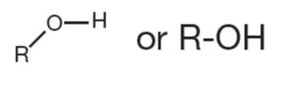
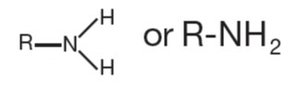
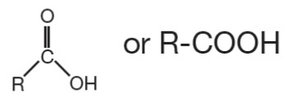
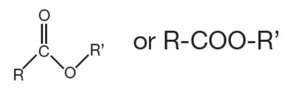
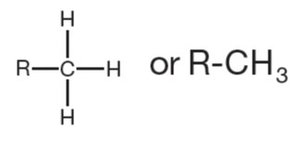
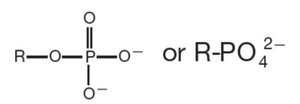
Functional Groups: Groups of atoms that confer specific chemical properties (e.g., hydroxyl, amino, carboxyl, methyl, phosphate, ester).
Functional Group | Structure | Example |
|---|---|---|
Hydroxyl |
| Alcohols |
Amino |
| Amino acids |
Carboxyl |
| Fatty acids |
Ester |
| Fats |
Methyl |
| Methane |
Phosphate |
| ATP, DNA |
Acids, Bases, and the pH Scale
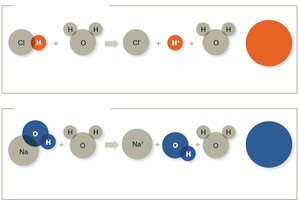
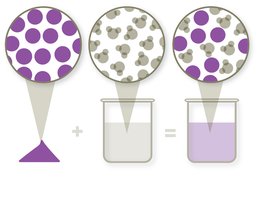
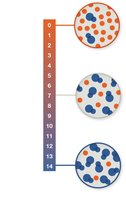
Acids and bases are substances that alter the concentration of hydrogen ions (H+) and hydroxide ions (OH-) in solution, affecting pH. The pH scale measures the acidity or basicity of a solution.
Acid: Donates H+ ions to solution (lowers pH).
Base: Donates OH- ions or accepts H+ (raises pH).
Salt: Formed when acids and bases react.
pH Scale: Ranges from 0 (very acidic) to 14 (very basic); 7 is neutral.
Buffer: Compound that stabilizes pH by absorbing or releasing H+ or OH-.
Chemical Bonds and Interactions
Chemical bonds are forces that hold atoms together in molecules. The type of bond affects the properties and functions of molecules in biological systems.
Ionic Bonds: Formed by transfer of electrons between atoms, creating charged ions (e.g., NaCl).
Covalent Bonds: Atoms share electron pairs; can be single, double, or triple bonds.
Polar Covalent Bonds: Unequal sharing of electrons, resulting in partial charges (e.g., H2O).
Hydrogen Bonds: Weak attractions between polar molecules (e.g., between water molecules).
Van der Waals Interactions: Weak, temporary attractions due to transient dipoles.
Hydrophilic, Hydrophobic, and Amphipathic Molecules
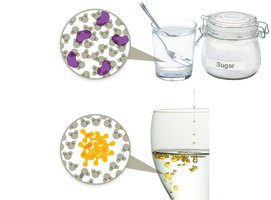
Hydrophilic: Water-loving; dissolve easily in water (e.g., sugars).
Hydrophobic: Water-fearing; do not dissolve in water (e.g., oils).
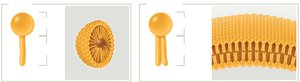
Amphipathic: Contain both hydrophilic and hydrophobic regions (e.g., phospholipids).
Chemical Reactions in Biology
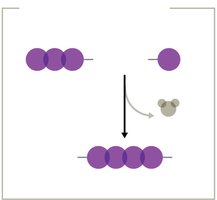
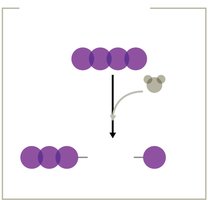
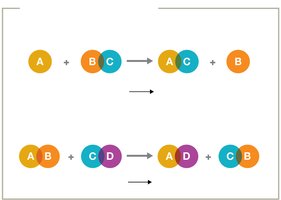
Chemical reactions involve the making and breaking of bonds, transforming reactants into products. Enzymes act as catalysts to speed up these reactions.
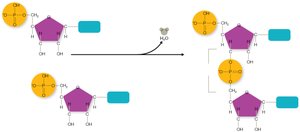
Synthesis Reaction: Builds larger molecules from smaller ones (e.g., dehydration synthesis).
Decomposition Reaction: Breaks down molecules into smaller components (e.g., hydrolysis).
Exchange Reaction: Atoms or groups are exchanged between molecules.
Activation Energy: Minimum energy required to start a reaction.
Endergonic Reaction: Absorbs energy.
Exergonic Reaction: Releases energy.
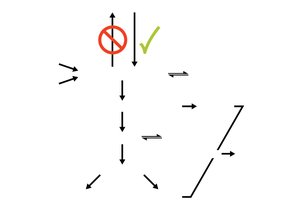
Reversible Reaction: Can proceed in both directions until equilibrium is reached.
Biologically Important Macromolecules
Cells are built from four main classes of macromolecules: carbohydrates, lipids, nucleic acids, and proteins. Each class has unique building blocks, structures, and functions.
Carbohydrates
Monosaccharides: Simple sugars (e.g., glucose, fructose, galactose).
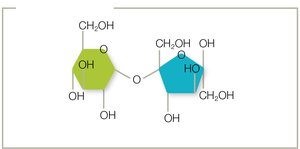
Disaccharides: Two monosaccharides linked by glycosidic bonds (e.g., sucrose).
Polysaccharides: Long chains of monosaccharides (e.g., glycogen, cellulose, chitin).
Functions: Energy storage, structural support, cell signaling.
Lipids
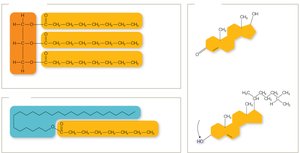
Fats and Oils: Glycerol + fatty acids; energy storage.
Saturated Lipids: No double bonds; solid at room temperature.
Unsaturated Lipids: One or more double bonds; liquid at room temperature.
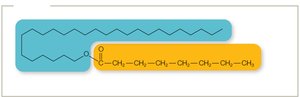
Waxes: Fatty acids linked to long-chain alcohols.
Steroids: Four fused hydrocarbon rings (e.g., cholesterol).
Functions: Energy storage, membrane structure, signaling.
Nucleic Acids
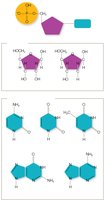
DNA: Double-stranded, stores genetic information.
RNA: Single-stranded, involved in protein synthesis.
Nucleotides: Building blocks with a sugar, phosphate, and nitrogenous base.
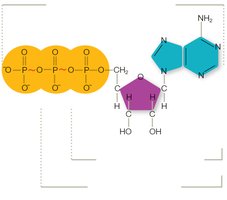
ATP: A special ribonucleotide used for energy transfer in cells.
Proteins
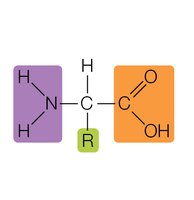
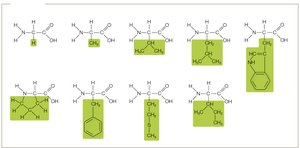
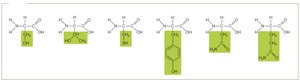
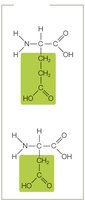
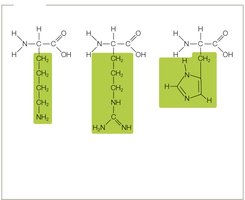
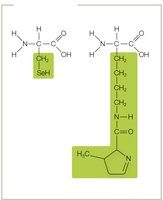
Amino Acids: 20 standard types, each with a unique R group.
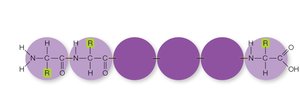
Peptide Bonds: Link amino acids to form polypeptides.
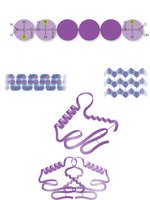
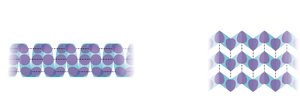
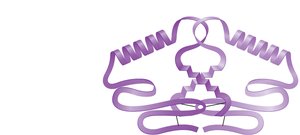
Protein Structure: Four levels—primary (sequence), secondary (alpha-helix, beta-sheet), tertiary (3D folding), quaternary (multiple polypeptides).
Functions: Enzymes, structural support, transport, signaling.

Clinical Application: Glycogen Storage Disease (GSD)
GSD is a genetic disorder affecting glycogen breakdown due to enzyme deficiency, leading to hypoglycemia and metabolic imbalances. Understanding biochemical pathways and macromolecule metabolism is essential for diagnosis and treatment.
Additional info: This summary covers foundational biochemistry concepts essential for understanding microbial structure, function, and metabolism, as required in a college-level microbiology course.
