 뒤로
뒤로Biochemistry Basics for Microbiology Students
스터디 가이드 - 스마트 노트
 자료에 맞춘 맞춤형 노트, 핵심 정의, 예시, 맥락을 확장해 제공합니다.
Biochemistry Basics
Atoms and Elements
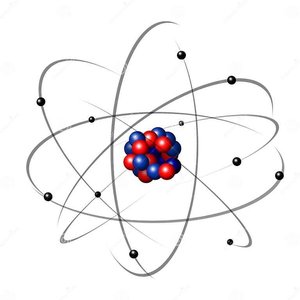
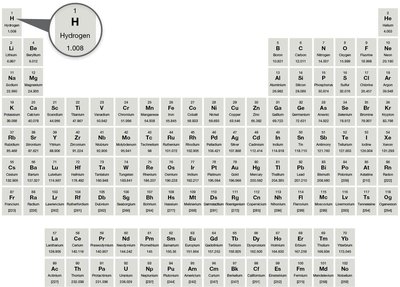
Atoms are the fundamental units of elements, which are pure substances that make up all ordinary matter. Each atom consists of a central nucleus containing protons and neutrons, surrounded by a cloud of electrons. The number of protons defines the atomic number and the identity of the element. Elements are organized in the periodic table by their atomic number, chemical symbol, and atomic mass.
Protons: Positively charged particles in the nucleus (1 atomic mass unit).
Neutrons: Neutral particles in the nucleus (1 atomic mass unit).
Electrons: Negatively charged particles with negligible mass, orbiting the nucleus.
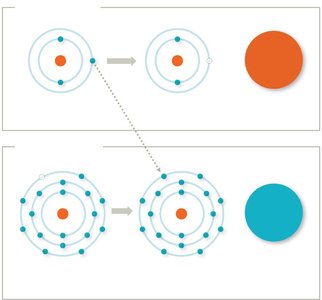
Ions are atoms with unequal numbers of protons and electrons, resulting in a net charge. Cations are positively charged (lost electrons), while anions are negatively charged (gained electrons). Isotopes are atoms of the same element with different numbers of neutrons, important in medicine for diagnostics and treatment.
Molecules, Compounds, and Isomers
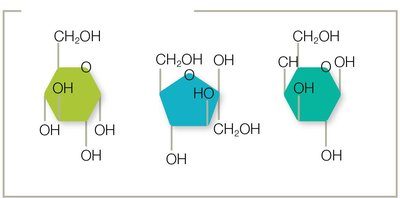
Molecules are formed when two or more atoms bond together. Compounds are molecules made of more than one type of element. Isomers are molecules with the same molecular formula but different structures, such as glucose, fructose, and galactose (C6H12O6).
Organic and Inorganic Compounds
Organic molecules contain both carbon and hydrogen, while inorganic molecules may contain carbon but lack the associated hydrogen. Functional groups are specific groups of atoms within molecules that confer characteristic chemical properties and participate in chemical reactions.
Selected Functional Groups
Functional Group | Formula | Notes |
|---|---|---|
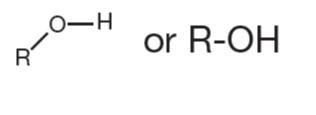
Alcohol | R-OH | Found in alcohols and sterols; suffix "-ol" (e.g., ethanol, cholesterol) |
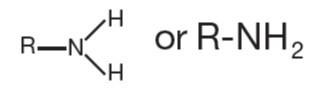
Amine | R-NH2 | Present in amino acids and nitrogenous bases |
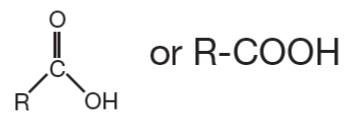
Carboxyl | R-COOH | Found in amino acids and fatty acids; acidic properties |
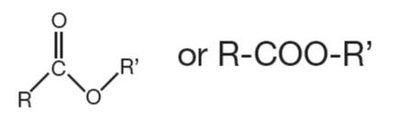
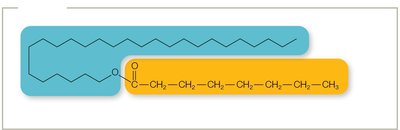
Ester | R-COO-R' | Formed by condensation of alcohol and acid; present in lipids |
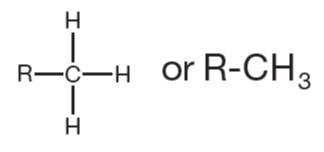
Methyl | R-CH3 | Common in hydrocarbons; involved in DNA methylation |
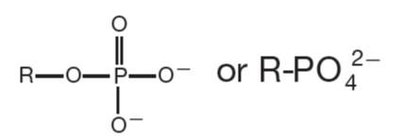
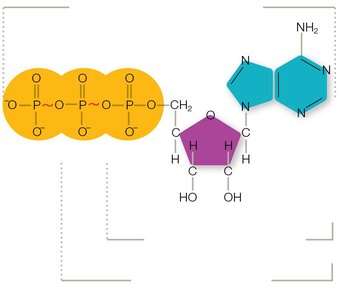
Phosphate | R-PO42− | Found in DNA, RNA, ATP, and phospholipids |
Acids, Bases, and pH
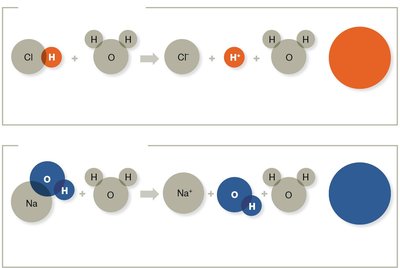
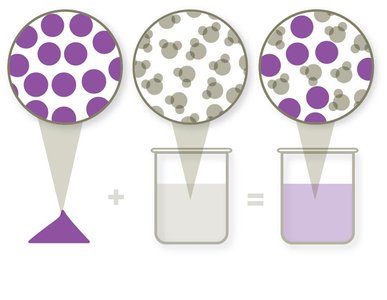
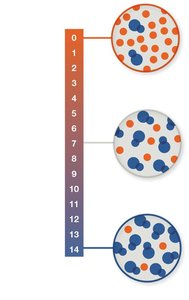
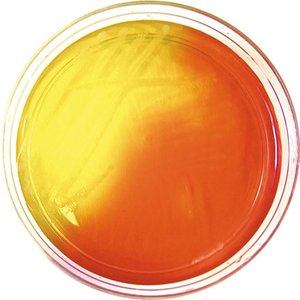
Acids are substances that donate hydrogen ions (H+) in solution, while bases donate hydroxide ions (OH−). The pH scale measures the concentration of hydrogen ions, ranging from 0 (most acidic) to 14 (most basic), with 7 being neutral. Buffers are compounds that stabilize pH by absorbing or releasing H+ or OH− ions, crucial for maintaining homeostasis in biological systems.
Chemical Bonds and Interactions
Valence Electrons and Bonding
Valence electrons are the electrons in the outermost shell of an atom and are involved in chemical bonding. Atoms with full valence shells are stable and nonreactive, while those with incomplete shells are reactive and tend to gain, lose, or share electrons to achieve stability.
Ionic and Covalent Bonds
Ionic bonds: Formed by the transfer of electrons from one atom to another, resulting in oppositely charged ions that attract each other. Ionic compounds dissociate into electrolytes in solution, which are essential for cellular function.
Covalent bonds: Formed when atoms share one or more pairs of electrons. Covalent bonds can be single, double, or triple, and may be polar (unequal sharing) or nonpolar (equal sharing).
Hydrogen Bonds and van der Waals Interactions
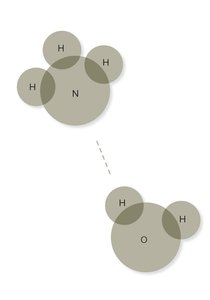
Hydrogen bonds are weak attractions between a hydrogen atom covalently bonded to an electronegative atom (like O or N) and another electronegative atom. These bonds are crucial for the structure of water, proteins, and nucleic acids. Van der Waals interactions are even weaker, resulting from temporary dipoles in molecules.
Hydrophilic, Hydrophobic, and Amphipathic Molecules
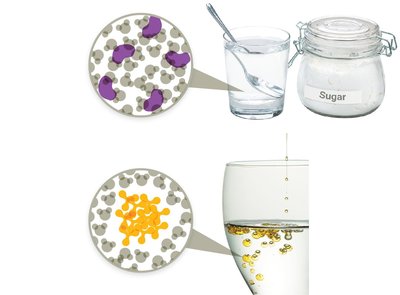
Hydrophilic: Water-loving substances that dissolve easily in water (e.g., sugars, salts).
Hydrophobic: Water-fearing substances that do not dissolve in water (e.g., fats, oils).
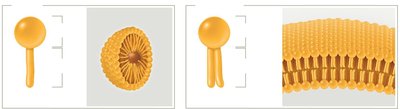
Amphipathic: Molecules with both hydrophilic and hydrophobic regions (e.g., phospholipids), which are essential for forming biological membranes.
Chemical Reactions in Biology
Types of Chemical Reactions
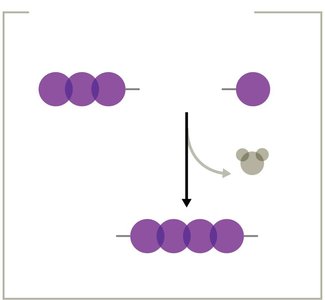
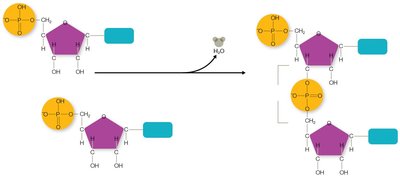
Synthesis reactions: Build larger molecules from smaller ones (e.g., dehydration synthesis forms water as a byproduct).
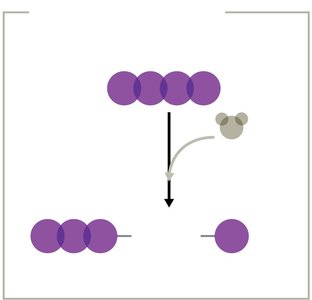
Decomposition reactions: Break down molecules into simpler components (e.g., hydrolysis adds water to break bonds).
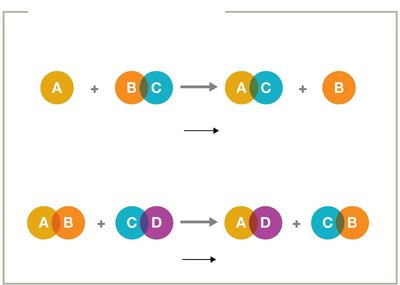
Exchange reactions: Involve swapping components between molecules.
Energy in Chemical Reactions
Activation energy: The minimum energy required to initiate a reaction.
Exergonic reactions: Release more energy than they consume.
Endergonic reactions: Require more energy than they release.
Catalysts: Substances (often enzymes) that lower activation energy and speed up reactions.
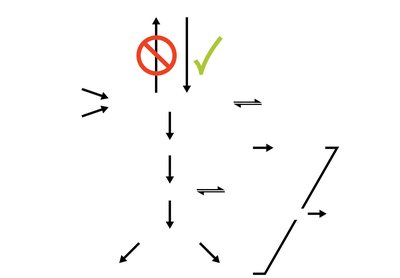
Some reactions are reversible and can reach equilibrium, where the rates of the forward and reverse reactions are equal.
Biologically Important Macromolecules
The Four Main Classes of Biomolecules
Biomolecule | Examples | Building Blocks | Notes |
|---|---|---|---|
Carbohydrates | Glucose, Sucrose, Glycogen | Simple sugars (monosaccharides) | Energy storage, structure |
Lipids | Fats, Oils, Waxes, Steroids | Glycerol + fatty acids | Energy storage, membranes, signaling |
Nucleic Acids | DNA, RNA | Nucleotides | Genetic information, protein synthesis |
Proteins | Enzymes, Antibodies | Amino acids | Catalysis, structure, transport |
Carbohydrates
Carbohydrates are organic molecules composed of carbon, hydrogen, and oxygen, typically in a 1:2:1 ratio. They include monosaccharides (single sugars), disaccharides (two sugars linked by glycosidic bonds), and polysaccharides (long chains of sugars).
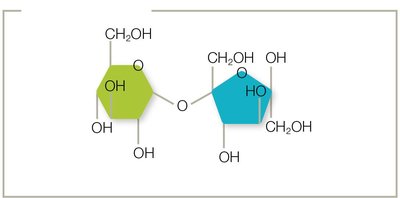
Functions: Energy storage (glycogen, starch), structural support (cellulose, chitin, peptidoglycan), and cell recognition (capsules).
Lipids
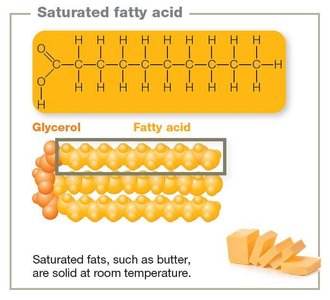
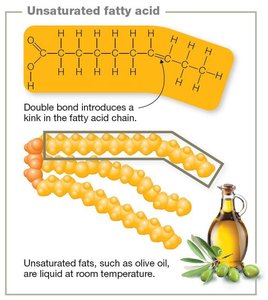
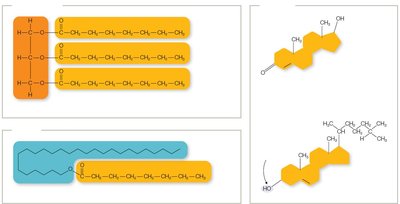
Lipids are hydrophobic molecules that include fats, oils, waxes, and steroids. They are important for energy storage, membrane structure, and signaling. Saturated fats have no double bonds and are solid at room temperature, while unsaturated fats have one or more double bonds and are liquid at room temperature.
Nucleic Acids
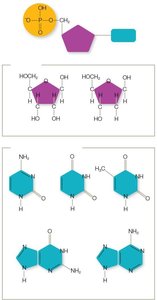
Nucleic acids (DNA and RNA) are polymers of nucleotides, each consisting of a five-carbon sugar, a phosphate group, and a nitrogenous base. DNA stores genetic information, while RNA is involved in protein synthesis and can act as a catalyst.
Proteins
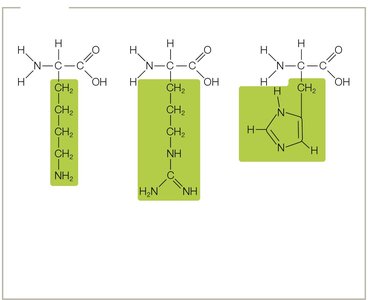
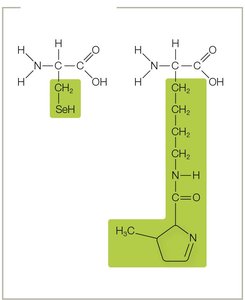
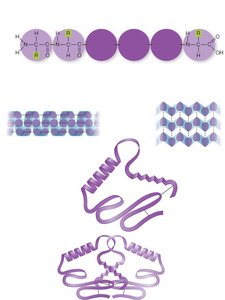
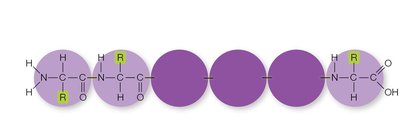
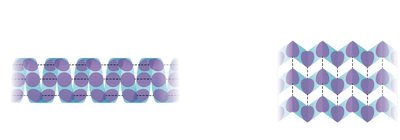
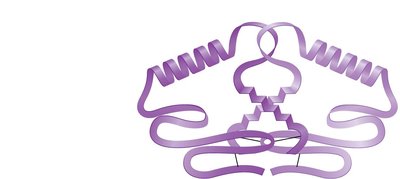
Proteins are polymers of amino acids, which are linked by peptide bonds. There are 20 standard amino acids and 2 nonstandard ones. The structure of proteins is organized into four levels: primary (amino acid sequence), secondary (alpha-helices and beta-sheets), tertiary (three-dimensional folding), and quaternary (multiple polypeptide chains).
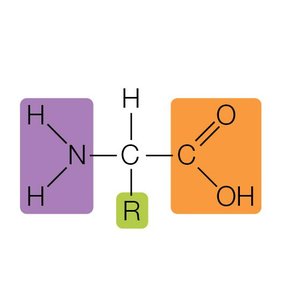
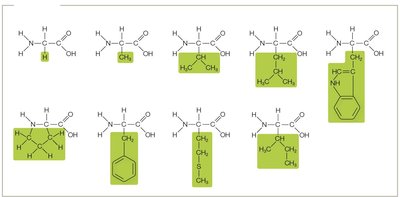
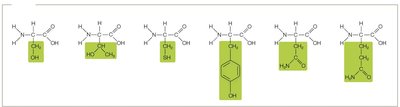
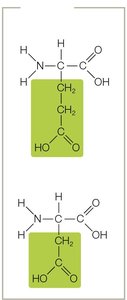

Functions: Enzymes, structural scaffolds, transporters, communication, and immune response.
Clinical Application: Glycogen Storage Disease (GSD)
GSD is a genetic disorder where patients cannot break down glycogen due to a deficiency in the enzyme glucose-6-phosphatase. This leads to hypoglycemia, hepatomegaly, and abnormal blood chemistry. Treatment involves dietary management to stabilize blood glucose.
Key Takeaways:
Atoms, ions, and isotopes are foundational to understanding biological molecules.
Chemical bonds and interactions determine molecular structure and function.
Acids, bases, and buffers are essential for maintaining cellular homeostasis.
Carbohydrates, lipids, nucleic acids, and proteins are the four main classes of biomolecules, each with unique structures and functions.
