 뒤로
뒤로Chapter 1: The Main Themes of Microbiology - A Systems Approach
스터디 가이드 - 스마트 노트
 자료에 맞춘 맞춤형 노트, 핵심 정의, 예시, 맥락을 확장해 제공합니다.
The Scope of Microbiology
Definition and Importance
Microbiology is the specialized area of biology that deals with organisms too small to be seen with the naked eye, known as microorganisms or microbes. These include bacteria, viruses, fungi, protozoa, and others. While only a small minority of microbes cause harm, their study is essential for understanding health, disease, and environmental processes.
Microorganisms are often referred to as germs, viruses, agents, or "bugs".
Most microbes are harmless or beneficial; only a minority are pathogenic.
Major Groups of Microorganisms
Classification
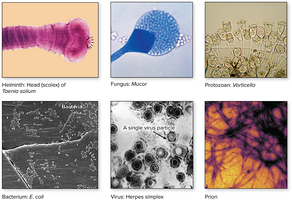
Microorganisms are classified into cellular and acellular types.
Cellular microorganisms: Bacteria, Archaea, Fungi, Protozoa, Helminths (not technically microorganisms but cause infection).
Noncellular microorganisms: Viruses, Prions.
Examples of Microorganisms
Bacteria: Escherichia coli
Fungi: Mucor
Protozoa: Vorticella
Helminths: Taenia solium
Viruses: Herpes simplex virus
Prions: Misfolded proteins causing diseases like Creutzfeldt-Jakob
Three Domains of Life
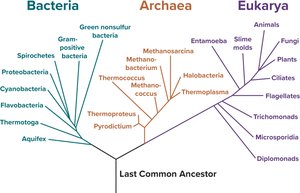
Universal Tree of Life
Molecular genetics, particularly the study of ribosomal RNA, has revealed three domains of life: Bacteria, Archaea, and Eukarya. These domains represent fundamental evolutionary divisions.
Bacteria: Prokaryotic, no nucleus, diverse metabolic capabilities.
Archaea: Prokaryotic, no nucleus, often extremophiles.
Eukarya: Eukaryotic, true nucleus, includes animals, plants, fungi, and protists.
Cellular Organization and Size
Comparing Cell Types
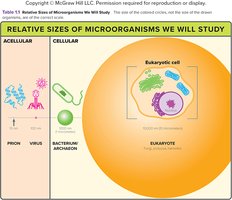
Microorganisms vary in cellular complexity and size.
Bacterial and Archaeal cells: About 10× smaller than eukaryotic cells; lack organelles.
Eukaryotic cells: Contain organelles such as nucleus, mitochondria, and chloroplasts.
Acellular microorganisms: Viruses (DNA or RNA in protein coat), Prions (misfolded proteins).
Relative Sizes of Microorganisms
Prions: Smallest, acellular.
Viruses: Larger than prions, still acellular.
Bacteria/Archaea: Small, cellular.
Eukaryotes: Largest, cellular.
Evolutionary Timeline of Microorganisms
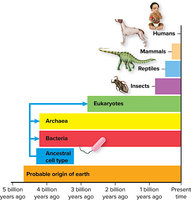
Origins and Diversity
Microorganisms have existed for billions of years, predating multicellular life. The evolutionary timeline shows the emergence of bacteria, archaea, and eukaryotes, followed by complex organisms.
Ancestral cell type: Probable origin of all life forms.
Bacteria and Archaea: Appeared early in Earth's history.
Eukaryotes: Emerged later, leading to multicellular organisms.
Branches of Microbiology
Medical Microbiology
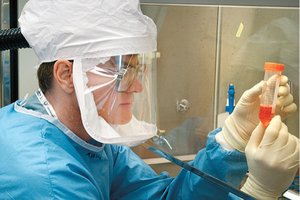
Medical microbiology focuses on microbes that cause diseases in humans and animals.
Study of pathogens, disease mechanisms, and treatments.
Public Health Microbiology and Epidemiology
These branches monitor and control the spread of diseases in communities, involving organizations like the CDC and WHO.
Surveillance, outbreak investigation, and prevention strategies.

Immunology
Immunology studies the body's defense mechanisms against infection, including vaccination, blood testing, and allergy.
Protective substances and cells produced in response to infection.
Industrial Microbiology
Industrial microbiology safeguards food and water and uses microbes to produce amino acids, beer, drugs, enzymes, and vitamins.
Applications in biotechnology and food production.

Agricultural Microbiology
Agricultural microbiology examines relationships between microbes and farm animals/crops, including plant and animal specialists.
Impact on soil fertility, plant health, and animal diseases.
Environmental Microbiology
Environmental microbiology studies the effect of microbes on earth’s habitats, including aquatic, soil, geomicrobiology, and astrobiology.
Role in nutrient cycling, pollution remediation, and ecosystem stability.

Human Use of Microorganisms
Biotechnology and Recombinant DNA Technology
Humans have used microorganisms for thousands of years in food production and medicine. Modern biotechnology manipulates microbes to create products and genetically modified organisms (GMOs).
Yeast: Used for bread, wine, and beer.
Fungi: Used for cheese production.
Recombinant DNA technology: Manipulates genetics for new products.


Bioremediation
Bioremediation involves introducing microbes into the environment to restore stability or clean up toxic pollutants.
Applications include oil spill cleanup and waste treatment.

Pathogens and Infectious Diseases
Definition and Impact
A pathogen is any agent (virus, bacterium, fungus, protozoan, or helminth) that causes disease. Nearly 2,000 different microbes can cause disease.
Pathogens are responsible for a significant portion of global morbidity and mortality.
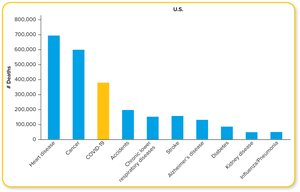
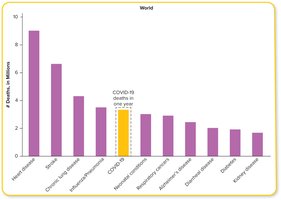
Top Causes of Death
Diseases most clearly caused by microorganisms include COVID-19, influenza, pneumonia, and diarrheal diseases.
Communicable vs. Noncommunicable Diseases
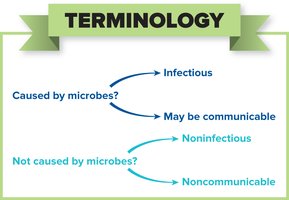
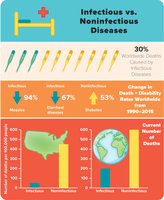
Communicable diseases: Infectious, easily spread.
Noncommunicable diseases: Not caused by microbes, not contagious.
Emerging and Reemerging Infectious Diseases
Trends and Examples
New (emerging) diseases and older (reemerging) diseases are increasing, including SARS-CoV-2, Ebola, AIDS, hepatitis C, and viral encephalitis.
Polio, leprosy, and parasitic worm diseases have largely been eradicated.
Endemic Diseases
Malaria: Kills about 450,000 people annually, mostly children in Africa. Prevention includes bed nets.
Microbes and Noninfectious Diseases
Microbial Links to Chronic Diseases
Certain diseases once considered noninfectious are now found to be caused by microbes, such as gastric ulcers (by Helicobacter pylori) and links between microbes and cancers, diabetes, and other chronic conditions.
Multiple sclerosis, OCD, coronary artery disease, and obesity linked to chronic microbial infections.
The Subtler Side of Microorganisms
Chronic and Slow Diseases
Microorganisms can cause slow, destructive diseases, such as female infertility (by Chlamydia), liver cancer (hepatitis viruses), and cervical cancer (human papillomavirus).
Weakened Immune Systems and Drug Resistance
Challenges in Modern Medicine
Patients with weakened immune systems are increasingly susceptible to infections by common microbes. Drug-resistant microbes also contribute to the rise in infectious diseases.
Antibiotic resistance is a major public health concern.
Summary Table: Major Groups of Microorganisms
Type | Cellular/Acellular | Example | Pathogenic? |
|---|---|---|---|
Bacteria | Cellular | Escherichia coli | Some |
Archaea | Cellular | Halobacterium | Rarely |
Fungi | Cellular | Mucor | Some |
Protozoa | Cellular | Vorticella | Some |
Helminths | Cellular | Taenia solium | Yes |
Viruses | Acellular | Herpes simplex virus | Yes |
Prions | Acellular | Creutzfeldt-Jakob prion | Yes |
Key Terms and Definitions
Microbiology: Study of microscopic organisms.
Pathogen: Agent causing disease.
Biotechnology: Use of living organisms to produce goods.
Bioremediation: Use of microbes to clean up pollutants.
Communicable disease: Infectious and transmissible.
Noncommunicable disease: Not infectious, not transmissible.
