 뒤로
뒤로Introduction to Microbiology: Foundations, Microbial Diversity, and Historical Milestones
스터디 가이드 - 스마트 노트
 자료에 맞춘 맞춤형 노트, 핵심 정의, 예시, 맥락을 확장해 제공합니다.
Introduction to Microbiology
Definition and Scope
Microbiology is the study of microorganisms, organisms too small to be seen with the unaided eye. This field encompasses a wide variety of life forms, including bacteria, viruses, protozoa, some fungi, and certain microscopic animals. Microbiology is foundational to understanding life processes, disease, and biotechnology.
Bacteriology: Study of bacteria
Mycology: Study of fungi
Parasitology: Study of protozoa and parasitic worms
Virology: Study of viruses
Microbial genetics: Mechanisms by which microbes inherit traits
Molecular biology: Study of how genetic information is carried in DNA and directs protein formation
Microbes in Our Lives
While a minority of microbes are pathogenic (disease-causing), most are beneficial and essential for ecosystem function, industry, and health.
Critical for fermentation, manufacturing, waste treatment, digestion, farming, and GMO medicines
Understanding microbial life cycles helps prevent food spoilage, control disease, and prevent epidemics
Naming and Classifying Microorganisms
Taxonomy and Nomenclature
Modern taxonomy, established by Carolus Linnaeus in 1735, organizes living things into hierarchical categories. The most specific levels, genus and species, are used for scientific naming.
Standard taxonomic ranks: domain → kingdom → phylum → class → order → family → genus → species
Scientific names are always italicized (typed) or underlined (handwritten)
Genus is capitalized; species is lowercase (e.g., Escherichia coli)
Names may honor scientists or describe characteristics/habitats
After first use, names may be abbreviated (e.g., E. coli)
Examples:
Escherichia coli: Honors Theodor Escherich; found in the colon
Staphylococcus aureus: Describes clustered (staphylo-) spherical (coccus) cells and gold-colored (aureus) colonies
The First Observations and the Cell Theory
Early Microscopy
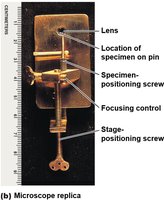
The development of the microscope enabled the discovery of microorganisms. Robert Hooke first observed cells in plant material in the 1600s, while Anton van Leeuwenhoek was the first to observe living microorganisms, marking the beginning of cell theory: all living things are composed of cells.
Disproving Spontaneous Generation
Spontaneous Generation vs. Biogenesis
The spontaneous generation hypothesis proposed that life could arise from nonliving matter. In contrast, biogenesis posits that living cells arise only from preexisting living cells.
Francesco Redi (1668): Showed that maggots on meat came from flies, not spontaneous generation
Lazzaro Spallanzani (1765): Boiled nutrient solutions in sealed flasks, preventing microbial growth
Rudolf Virchow (1858): Proposed that cells arise from preexisting cells (biogenesis)
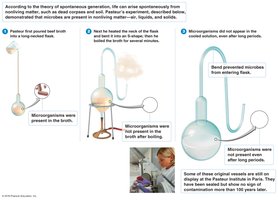
Louis Pasteur (1861): Demonstrated that microorganisms are present in the air and do not arise spontaneously
Pasteur's Swan-Neck Flask Experiment
Pasteur used S-shaped (swan-neck) flasks to show that air could enter but microbes were trapped, preventing contamination of sterile broth. This experiment provided strong evidence against spontaneous generation.
Pasteur’s Contributions and the Golden Age of Microbiology
Fermentation and Pasteurization
Pasteur discovered that microbes are responsible for fermentation (conversion of sugar to alcohol) and that spoilage bacteria could be killed by mild heating, a process now known as pasteurization.
Fermentation occurs in the absence of air
Pasteurization: Application of high heat for a short time to kill harmful microbes without damaging the product
The Germ Theory of Disease
The germ theory states that specific microbes cause specific diseases. Key contributors include:
Joseph Lister: Used phenol as an antiseptic to prevent surgical infections
Robert Koch: Demonstrated that Bacillus anthracis causes anthrax and developed Koch's postulates for linking microbes to diseases
Vaccination and Chemotherapy
Edward Jenner (1796): Developed the first vaccine (cowpox for smallpox)
Paul Ehrlich: Searched for chemicals ("magic bullets") to destroy pathogens without harming the host
Alexander Fleming (1928): Discovered penicillin, the first antibiotic
Types of Microorganisms
Bacteria
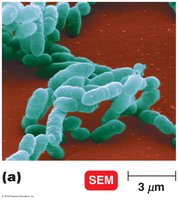
Bacteria are unicellular prokaryotes with peptidoglycan cell walls. They reproduce by binary fission and can obtain energy through organic, inorganic, or photosynthetic means. Bacteria come in various shapes, such as bacillus (rod), coccus (spherical), and spiral.
Fungi
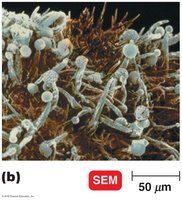
Fungi are eukaryotes with chitin cell walls. They absorb organic chemicals for energy. Yeasts are unicellular, while molds and mushrooms are multicellular.
Protozoa
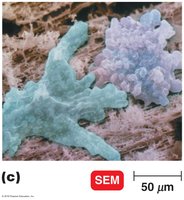
Protozoa are unicellular eukaryotes that may be autotrophic or heterotrophic. They are classified by their means of locomotion and can be free-living or parasitic.
Viruses
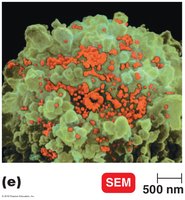
Viruses are acellular entities consisting of a DNA or RNA core surrounded by a protein coat, sometimes with a lipid envelope. They require a living host cell to reproduce and are inert outside of hosts.
Multicellular Animal Parasites
These include parasitic worms (helminths) such as flatworms (Platyhelminthes) and roundworms (Nematoda). While not strictly microorganisms, their microscopic life stages are medically important.
Emerging Infectious Diseases (EIDs)
Definition and Contributing Factors
Emerging infectious diseases are new or increasing in incidence. They arise due to evolutionary changes, geographic spread, increased human exposure, and climate change.
Bovine spongiform encephalopathy (Mad Cow Disease): Caused by a prion (infectious protein)
E. coli O157:H7: Toxin-producing strain causing severe diarrhea
Ebola hemorrhagic fever: Caused by Ebola virus, transmitted via body fluids
Hantavirus pulmonary syndrome: Spread by rodent droppings, causes respiratory illness
AIDS (Acquired Immunodeficiency Syndrome): Caused by HIV, attacks the immune system
Summary Table: Major Groups of Microorganisms
Group | Cell Type | Cell Wall | Reproduction | Nutrition | Examples |
|---|---|---|---|---|---|
Bacteria | Prokaryotic | Peptidoglycan | Binary fission | Organic/inorganic/photosynthetic | Escherichia coli |
Fungi | Eukaryotic | Chitin | Spores/budding | Absorptive (heterotrophic) | Yeasts, molds |
Protozoa | Eukaryotic | None | Asexual/sexual | Autotrophic/heterotrophic | Amoeba, Paramecium |
Viruses | Acellular | Protein coat (capsid) | Host-dependent | Host-dependent | HIV, Influenza |
Helminths | Eukaryotic | None | Sexual | Parasitic | Tapeworms, roundworms |
Additional info: This guide integrates foundational concepts, historical experiments, and the diversity of microorganisms, providing a comprehensive overview suitable for introductory microbiology studies.
