 뒤로
뒤로Introduction to Microbiology: The Microbial World and You
스터디 가이드 - 스마트 노트
 자료에 맞춘 맞춤형 노트, 핵심 정의, 예시, 맥락을 확장해 제공합니다.
Introduction to Microbiology
The Roles of Microbes
Microorganisms, or microbes, are ubiquitous and play essential roles in the environment, industry, and human health. While only a small fraction are pathogenic, microbes are fundamental to ecological balance and biotechnology.
Pathogenicity: Only a few microbes cause disease in humans, animals, or plants.
Food Spoilage: Some microbes are responsible for the spoilage of food products.
Ecological Importance: Microbes form the base of aquatic food chains, decompose organic waste, and recycle vital elements such as nitrogen and carbon.
Photosynthesis: Certain microbes generate oxygen and organic compounds through photosynthesis.
Industrial Applications: Microbes are used to produce chemicals (e.g., ethanol, acetone), fermented foods (e.g., cheese, yogurt, bread), and pharmaceuticals (e.g., insulin).
The Human Microbiome
The microbiome refers to the collection of microbes that live stably on and within the human body. These microbes are crucial for maintaining health, preventing pathogen colonization, and training the immune system.
Normal Microbiota: Microbes acquired before birth and throughout life, which may be permanent (resident) or temporary (transient).
Colonization: Microbes colonize body sites that provide suitable nutrients and environments.
Health Benefits: Normal microbiota help prevent pathogen growth and may produce essential vitamins (e.g., B and K).
Nomenclature and Classification of Microorganisms
Scientific Naming
Microorganisms are named using a binomial system (genus and species), which is Latinized and standardized worldwide.
Genus: Capitalized (e.g., Escherichia).
Species: Lowercase (e.g., coli).
Examples: Escherichia coli (named after Theodor Escherich, found in the colon); Staphylococcus aureus (describes clustered, spherical, gold-colored cells).
Types of Microorganisms
Major Groups of Microbes
Microorganisms are classified into several major groups based on cellular structure, metabolism, and genetics.
Bacteria: Prokaryotic, unicellular, peptidoglycan cell walls, reproduce by binary fission, may be motile via flagella.
Archaea: Prokaryotic, lack peptidoglycan, often inhabit extreme environments (e.g., methanogens, halophiles, thermophiles), not known to cause human disease.
Fungi: Eukaryotic, chitin cell walls, absorb organic nutrients, include unicellular yeasts and multicellular molds/mushrooms.
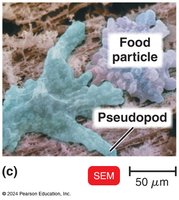
Protozoa: Eukaryotic, absorb/ingest organic chemicals, motile via pseudopods, cilia, or flagella, may be free-living or parasitic.
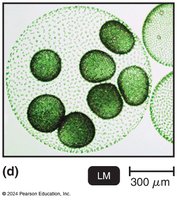
Algae: Eukaryotic, cellulose cell walls, photosynthetic, produce oxygen and carbohydrates, found in aquatic and terrestrial environments.
Viruses: Acellular, consist of DNA or RNA core surrounded by a protein coat, require a host cell to reproduce.
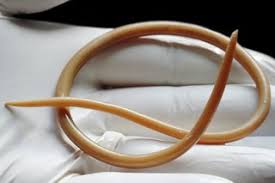
Multicellular Animal Parasites (Helminths): Eukaryotic, multicellular, include flatworms and roundworms, some stages are microscopic.
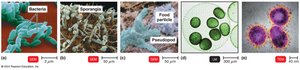
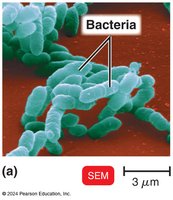
Bacteria
Structure: Prokaryotic, peptidoglycan cell walls, unicellular.
Reproduction: Binary fission.
Nutrition: Organic/inorganic chemicals or photosynthesis.
Motility: Flagella.
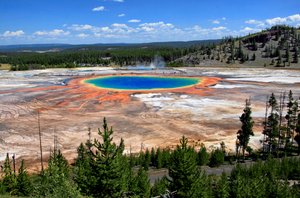
Archaea
Structure: Prokaryotic, lack peptidoglycan, may lack cell wall.
Habitats: Extreme environments (e.g., hot springs, salt lakes).
Types: Methanogens, extreme halophiles, extreme thermophiles.
Pathogenicity: Not known to cause human disease.
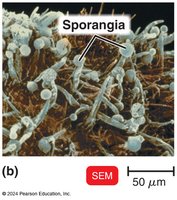
Fungi
Structure: Eukaryotic, chitin cell walls.
Nutrition: Absorb organic chemicals.
Forms: Unicellular yeasts, multicellular molds and mushrooms.
Molds: Composed of mycelia (masses of hyphae).
Protozoa
Structure: Eukaryotic, unicellular.
Nutrition: Absorb or ingest organic chemicals; some are photosynthetic.
Motility: Pseudopods, cilia, or flagella.
Reproduction: Sexual or asexual.
Algae
Structure: Eukaryotic, cellulose cell walls.
Habitat: Freshwater, saltwater, soil.
Nutrition: Photosynthetic, produce oxygen and carbohydrates.
Reproduction: Sexual and asexual.
Multicellular Animal Parasites (Helminths)
Structure: Eukaryotic, multicellular animals.
Types: Flatworms and roundworms.
Relevance: Some stages are microscopic and important in disease.
Historical Foundations of Microbiology
Early Observations and Cell Theory
1665: Robert Hooke observed "cells" in cork, initiating cell theory (all living things are composed of cells).
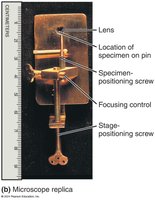
1673–1723: Anton van Leeuwenhoek observed "animalcules" (bacteria, protozoa) with simple microscopes.
Disproving Spontaneous Generation
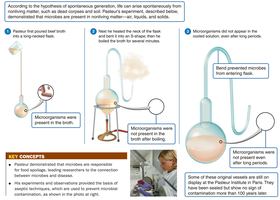
The spontaneous generation hypothesis proposed that life could arise from nonliving matter. This was challenged by experiments supporting biogenesis—the idea that living cells arise only from preexisting cells.
Spontaneous Generation: Life arises from nonliving matter ("vital force").
Biogenesis: Life arises only from living cells.
The Golden Ages of Microbiology
First Golden Age (1857–1914): Discoveries included the relationship between microbes and disease, immunity, fermentation, pasteurization, and aseptic techniques.
Fermentation: Microbial conversion of sugar to alcohol in the absence of air.
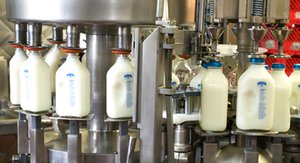
Pasteurization: Application of heat to kill harmful microbes in beverages without damaging the product.
The Germ Theory of Disease
Microbes as Disease Agents: Fungi and protozoa shown to cause diseases in silkworms (Bassi, Pasteur).
Prevention: Semmelweis advocated handwashing to prevent puerperal fever.
Vaccination and Immunology
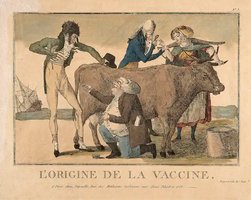
1796: Edward Jenner developed the first vaccine (cowpox for smallpox).
Immunity: Protection against disease provided by vaccination or previous infection.
Chemotherapy and Antibiotics
Chemotherapy: Treatment of disease with chemicals (synthetic drugs or antibiotics).
First Synthetic Drug: Salvarsan for syphilis (Ehrlich, 1910).
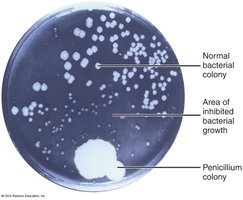
Antibiotics: Chemicals produced by microbes that inhibit or kill other microbes (e.g., penicillin discovered by Fleming in 1928).

Modern Microbiology
Immunology: Study of immunity; advances include vaccines and classification of pathogens (e.g., Lancefield's work on streptococci).
Virology: Study of viruses; enabled by electron microscopy.
Molecular Genetics: Study of microbial inheritance and gene function.
Genomics and Proteomics: Study of genes and proteins, enabling new discoveries in microbiology and biotechnology.
Recombinant DNA Technology: Combining DNA from different sources to produce useful proteins and products.
Microbes and the Environment
Recycling Vital Elements
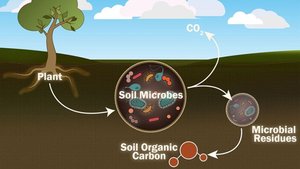
Microbial ecology examines how microbes interact with their environment, recycling elements such as carbon, nitrogen, sulfur, and phosphorus for use by plants and animals.
Bioremediation
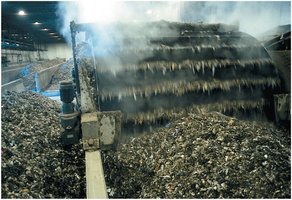
Microbes are used to degrade organic matter in sewage and detoxify pollutants such as oil and mercury, contributing to environmental cleanup.
Insect Pest Control
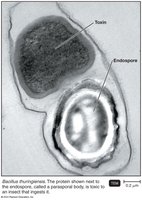
Microbes pathogenic to insects, such as Bacillus thuringiensis, are used as biological alternatives to chemical pesticides. The toxin gene from these bacteria has been inserted into plants for insect resistance.
Biotechnology and Recombinant DNA
Biotechnology: Use of microbes for practical applications (e.g., food production, pharmaceuticals).
Recombinant DNA Technology: Enables production of proteins, vaccines, and enzymes; used in gene therapy and agriculture.
Microbes and Human Health
Normal Microbiota and Resistance
Normal Microbiota: Microbes that inhabit the human body and prevent pathogen colonization.
Resistance: The body's ability to ward off disease, involving skin, stomach acid, and immune chemicals.
Biofilms
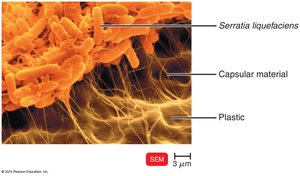
Biofilms are complex microbial communities attached to surfaces. They can be beneficial (protecting mucous membranes, providing food in aquatic systems) or harmful (causing infections, clogging pipes, resisting antibiotics).
Emerging Infectious Diseases (EIDs)
Definition: Diseases that are new or increasing in incidence.
Contributing Factors: Evolutionary changes (e.g., antibiotic resistance), global travel, increased human exposure to new environments.
Examples: COVID-19 (SARS-CoV-2), SARS, MERS, Monkeypox (Mpox).
Summary Table: Major Groups of Microorganisms
Group | Cell Type | Cell Wall | Nutrition | Reproduction | Motility |
|---|---|---|---|---|---|
Bacteria | Prokaryotic | Peptidoglycan | Organic/Inorganic/Photosynthetic | Binary fission | Flagella |
Archaea | Prokaryotic | None or Pseudomurein | Varied | Binary fission | Some motile |
Fungi | Eukaryotic | Chitin | Absorptive | Spores/Budding | Non-motile |
Protozoa | Eukaryotic | None | Ingestive/Absorptive | Sexual/Asexual | Pseudopods/Cilia/Flagella |
Algae | Eukaryotic | Cellulose | Photosynthetic | Sexual/Asexual | Some motile |
Viruses | Acellular | None | Obligate intracellular | Host-dependent | Non-motile |
Helminths | Eukaryotic | None | Ingestive/Absorptive | Sexual | Some motile |
Key Equations and Concepts
Pasteurization: Application of heat to kill microbes without damaging the product.
Binary Fission (Bacterial Reproduction): $\text{1 cell} \xrightarrow{\text{binary fission}} 2 \text{ cells} \xrightarrow{\text{binary fission}} 4 \text{ cells} \xrightarrow{\text{binary fission}} 8 \text{ cells} \ldots$
Additional info: This guide expands on the provided lecture content with academic context, definitions, and examples to ensure a comprehensive, self-contained study resource for introductory microbiology students.
