 뒤로
뒤로Macromolecules: The Biochemical Foundations of Microbiology
스터디 가이드 - 스마트 노트
 자료에 맞춘 맞춤형 노트, 핵심 정의, 예시, 맥락을 확장해 제공합니다.
Macromolecules and Biochemistry
Introduction to Biochemistry and Macromolecules
Biochemistry is the scientific field that explores the chemical compounds and processes essential for life. The four main families of biochemicals—carbohydrates, lipids, proteins, and nucleic acids—are collectively known as macromolecules. These large molecules are assembled from smaller subunits through polymerization, where monomers are joined to form polymers.
Carbohydrates: Sugars and polysaccharides
Lipids: Fats, phospholipids, steroids, and waxes
Proteins: Polymers of amino acids
Nucleic acids: DNA and RNA
Macromolecules serve as structural components, molecular messengers, energy sources, enzymes, nutrient stores, and carriers of genetic information.
Carbohydrates: Structure and Function
Classification and Structure of Carbohydrates
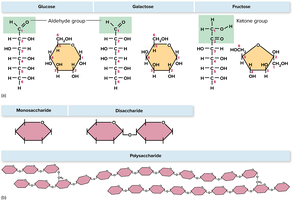
Carbohydrates are organic molecules composed of carbon, hydrogen, and oxygen, typically with the formula (CH2O)n. They are classified based on the number of sugar units:
Monosaccharides: Simple sugars with three to seven carbons (e.g., glucose, galactose, fructose)
Disaccharides: Composed of two monosaccharides joined by a glycosidic bond
Polysaccharides: Polymers of five or more monosaccharides
Monosaccharides and disaccharides are named with the suffix "-ose" (e.g., glucose, sucrose). Hexoses have six carbons, while pentoses have five.
Functions of Polysaccharides
Polysaccharides play critical roles in cell structure and metabolism:
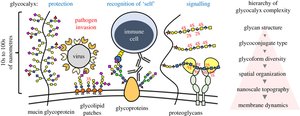
Glycocalyx: A polysaccharide-rich layer on cell surfaces, important for cell attachment, protection, and as a site for receptors.
Storage Molecules: Starch (plants) and glycogen (animals, bacteria) serve as energy reserves, broken down by hydrolysis.
Lipids: Structure and Biological Roles
Types of Lipids
Lipids are hydrophobic molecules insoluble in water but soluble in nonpolar solvents. Major classes include triglycerides, phospholipids, steroids, and waxes.
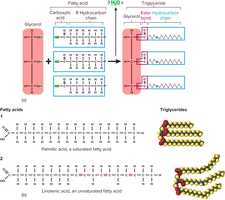
Triglycerides: Storage lipids composed of one glycerol and three fatty acids. They serve as energy reserves.
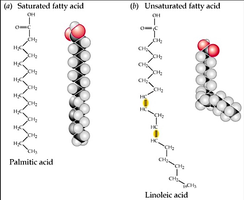
Fatty Acids: Can be saturated (no double bonds) or unsaturated (one or more double bonds).
Phospholipids and Membrane Structure
Phospholipids contain two fatty acids and a phosphate group attached to glycerol. Their amphipathic nature (hydrophilic head, hydrophobic tails) allows them to form bilayers, the fundamental structure of cell membranes.
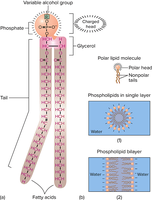
Membrane Lipids and Steroids
Phospholipids and glycolipids form the matrix of biological membranes, with cholesterol and other steroids modulating membrane fluidity and stability. Cholesterol is essential in animal cell membranes, while ergosterol is found in fungi. Waxes provide waterproofing and protection in various organisms.
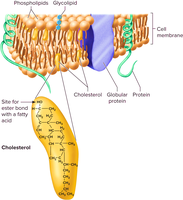
Proteins: Structure and Function
Amino Acids and Peptide Bonds
Proteins are polymers of amino acids, which share a common structure: a central (α) carbon, an amino group (NH2), a carboxyl group (COOH), a hydrogen atom, and a variable R group. Peptide bonds link amino acids into polypeptides.
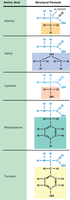
Levels of Protein Structure
Protein structure is organized into four levels:
Primary: Linear sequence of amino acids
Secondary: Local folding (α-helix, β-pleated sheet)
Tertiary: Overall 3D shape due to side chain interactions
Quaternary: Association of multiple polypeptide chains
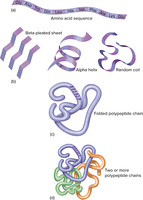
Protein Function and Denaturation
Proteins serve as enzymes, structural components, and antibodies. The native state is the functional, folded form. Denaturation (by heat, acid, etc.) disrupts structure and function.
Nucleic Acids: DNA and RNA
Structure and Types of Nucleic Acids
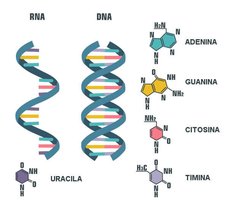
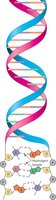
Nucleic acids store and transmit genetic information. DNA contains the genetic blueprint, while RNA translates and expresses this information. Both are polymers of nucleotides, each consisting of a sugar, phosphate, and nitrogenous base.
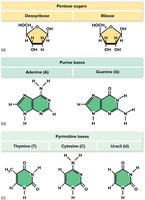
DNA: Deoxyribose sugar, bases A, T, C, G
RNA: Ribose sugar, bases A, U, C, G
Purines and Pyrimidines
Nitrogenous bases are classified as purines (adenine, guanine; double-ring) or pyrimidines (cytosine, thymine, uracil; single-ring).
Central Dogma: From DNA to Protein
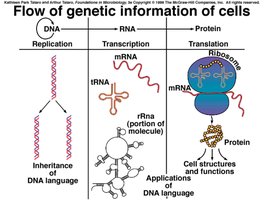
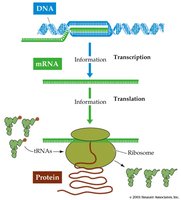
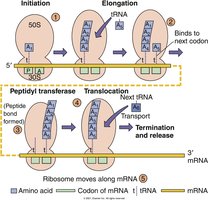
The central dogma of molecular biology describes the flow of genetic information: DNA is transcribed into RNA, which is then translated into protein. Three main types of RNA are involved in protein synthesis:
mRNA (messenger RNA): Carries genetic code from DNA to ribosomes
rRNA (ribosomal RNA): Structural and catalytic component of ribosomes
tRNA (transfer RNA): Brings amino acids to the ribosome during translation
Cells: The Chemical Basis of Life
Fundamental Characteristics of Cells
Cells are the fundamental units of life, composed of macromolecules and following the laws of chemistry and physics. All cells have a cell membrane, genetic material (DNA), and ribosomes for protein synthesis. Organisms may be unicellular (e.g., bacteria, protozoa) or multicellular (e.g., animals, plants).
Eukaryotic vs. Prokaryotic Cells
Eukaryotic cells: Have a nucleus, membrane-bound organelles, complex internal organization, and undergo mitosis/meiosis.
Prokaryotic cells: Lack a true nucleus and complex organelles but may have simpler compartments (e.g., carboxysomes, magnetosomes).
Both cell types share basic features but differ in complexity and organization.
