뒤로
뒤로Microbiology: An Introduction – Chapter 1 Study Notes
스터디 가이드 - 스마트 노트
 자료에 맞춘 맞춤형 노트, 핵심 정의, 예시, 맥락을 확장해 제공합니다.
Introduction to Microbiology
The Microbial World and You
Microbiology is the study of microorganisms, which are organisms too small to be seen with the unaided eye. These include bacteria, fungi, protozoa, microscopic algae, viruses, and prions. Microbes play essential roles in ecosystems, human health, and industry.
Microorganisms: Tiny living organisms, often unicellular, that require magnification to be observed.
Microbiome: The collection of microbes living in and on the human body, contributing to health and disease prevention.
Pathogenic microbes: A minority of microbes cause disease; most are beneficial or neutral.
Roles of Microbes
Ecological and Industrial Importance
Microbes are fundamental to life on Earth, serving as the basis of food chains, decomposing waste, and cycling nutrients. They also have industrial applications.
Decomposition: Microbes break down organic waste, recycling nutrients.
Photosynthesis: Algae and some bacteria generate oxygen and carbohydrates.
Biotechnology: Microbes produce chemicals (ethanol, acetone), fermented foods (cheese, yogurt), and pharmaceuticals (insulin).
The Microbiome
Normal Microbiota and Human Health
The human body hosts trillions of microbial cells, collectively known as the microbiome. These microbes are acquired before birth and throughout life, and can be permanent (normal microbiota) or transient.
Normal microbiota: Microbes that colonize healthy humans, providing protection against pathogens and aiding immune system development.
Human Microbiome Project: Research initiative to characterize typical microbiota and their roles in health and disease.
National Microbiome Initiative: Explores microbial roles in various ecosystems.
Naming and Classifying Microorganisms
Scientific Nomenclature and Domains
Microorganisms are named using a binomial system established by Carolus Linnaeus, consisting of a genus and species epithet. Classification is based on cellular organization.
Binomial nomenclature: Genus (capitalized) and species (lowercase), italicized or underlined (e.g., Escherichia coli).
Three domains: Bacteria, Archaea, and Eukarya (includes protists, fungi, plants, animals).
Types of Microorganisms
Major Groups and Their Characteristics
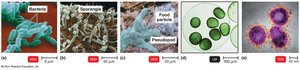
Microorganisms are classified into several groups based on structure, metabolism, and reproduction.
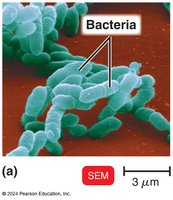
Bacteria: Prokaryotic, unicellular, peptidoglycan cell walls, divide by binary fission, may have flagella.
Archaea: Prokaryotic, lack peptidoglycan, often extremophiles, not known to cause disease.
Fungi: Eukaryotic, chitin cell walls, absorb organic chemicals, includes yeasts (unicellular) and molds/mushrooms (multicellular).
Protozoa: Eukaryotic, motile via pseudopods, cilia, or flagella, absorb/ingest organic chemicals, reproduce sexually/asexually.
Algae: Eukaryotic, cellulose cell walls, photosynthetic, produce oxygen and carbohydrates.
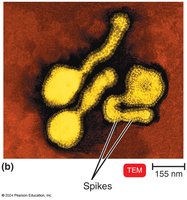
Viruses: Acellular, DNA or RNA core, protein coat, replicate only in host cells.
Multicellular Animal Parasites: Eukaryotic, includes helminths (flatworms, roundworms), some microscopic stages.
Bacteria
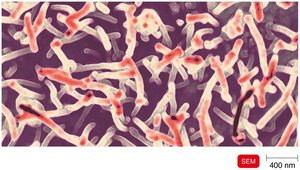
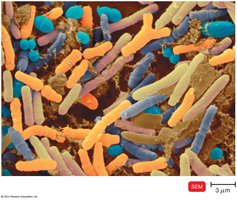
Bacteria are prokaryotic, unicellular organisms with peptidoglycan cell walls. They reproduce by binary fission and may move using flagella.
Nutrition: Organic/inorganic chemicals or photosynthesis.
Example: Escherichia coli in the human intestine.
Archaea
Archaea are prokaryotes distinct from bacteria, often found in extreme environments. They lack peptidoglycan and may lack cell walls entirely.
Methanogens: Produce methane.
Extreme halophiles: Thrive in high salt concentrations.
Extreme thermophiles: Thrive in high temperatures.
Fungi
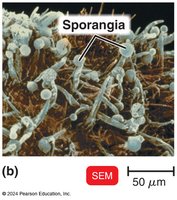
Fungi are eukaryotic organisms with chitin cell walls. They absorb organic chemicals for energy and can be unicellular (yeasts) or multicellular (molds, mushrooms).
Mycelia: Masses of hyphae (filaments).
Example: Staphylococcus aureus (gold-colored colonies).
Protozoa
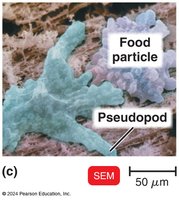
Protozoa are eukaryotic, often motile, and absorb or ingest organic chemicals. They can be free-living or parasitic.
Motility: Pseudopods, cilia, or flagella.
Reproduction: Sexual or asexual.
Algae
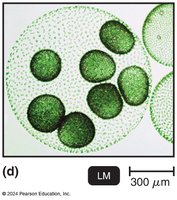
Algae are eukaryotic, photosynthetic organisms with cellulose cell walls. They are found in aquatic and terrestrial environments.
Energy: Photosynthesis.
Products: Oxygen and carbohydrates.
Viruses
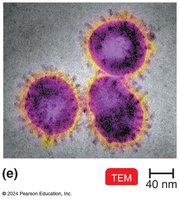
Viruses are acellular entities consisting of a nucleic acid core (DNA or RNA) surrounded by a protein coat, sometimes with a lipid envelope. They replicate only inside host cells.
Inert outside hosts: Cannot reproduce or metabolize independently.
Multicellular Animal Parasites
These include helminths (parasitic worms) with some microscopic life stages. They are eukaryotic and multicellular.
Examples: Flatworms, roundworms.
History and Foundations of Microbiology
Cell Theory and Early Observations
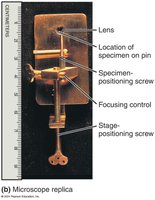
The cell theory states that all living things are composed of cells. Robert Hooke and Anton van Leeuwenhoek made early observations of cells and microorganisms.
Cell theory: Fundamental concept in biology.
Animalcules: Early term for microbes observed by Leeuwenhoek.
Disproving Spontaneous Generation
Experiments and Biogenesis
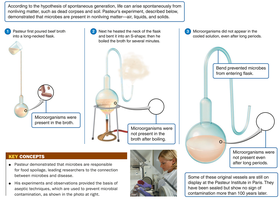
The spontaneous generation hypothesis suggested life could arise from nonliving matter. Experiments by Redi, Needham, Spallanzani, and Pasteur disproved this, supporting biogenesis—the idea that life arises from preexisting life.
Pasteur's S-shaped flask experiment: Demonstrated that microbes originate from air, not mystical forces.
Biogenesis: Living cells arise only from other living cells.
The Golden Ages of Microbiology
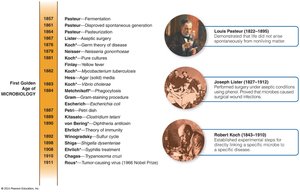
First Golden Age (1857–1914)
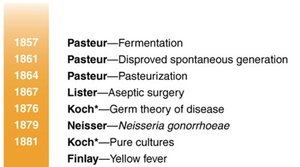
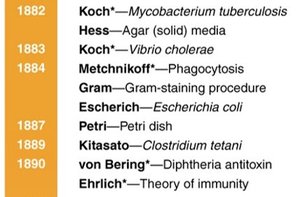
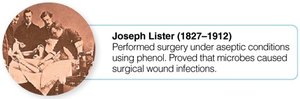
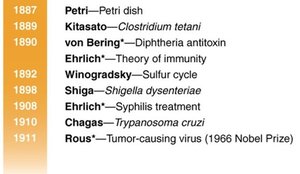
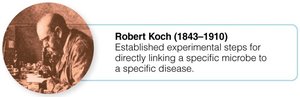
Major discoveries included the relationship between microbes and disease, immunity, fermentation, pasteurization, and aseptic techniques. Koch's postulates established methods to link microbes to specific diseases.
Fermentation: Microbial conversion of sugar to alcohol.
Pasteurization: Heat treatment to kill harmful microbes in beverages.
Aseptic techniques: Prevent contamination in medical and laboratory settings.

Second Golden Age
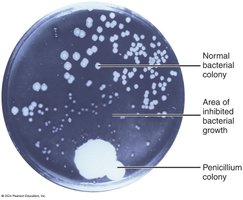
Focus shifted to treating diseases with chemotherapeutic agents, including synthetic drugs and antibiotics. Fleming discovered penicillin, the first antibiotic.
Antibiotics: Chemicals produced by microbes to inhibit or kill other microbes.
Penicillin: First antibiotic discovered by Alexander Fleming.
Third Golden Age
Advances in molecular biology, genetics, and genomics have enabled new tools for studying, detecting, and classifying microorganisms. Recombinant DNA technology allows production of human proteins in microbes.
Genomics: Study of organism's genes.
Recombinant DNA: DNA from two sources combined for biotechnology applications.

Branches of Microbiology
Bacteriology, Mycology, Parasitology, Immunology, Virology
Microbiology encompasses several specialized fields:
Bacteriology: Study of bacteria.
Mycology: Study of fungi.
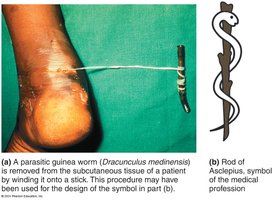
Parasitology: Study of protozoa and parasitic worms.
Immunology: Study of immunity and immune responses.
Virology: Study of viruses.
Microbes and Human Welfare
Beneficial Activities and Biotechnology
Microbes are essential for recycling elements, sewage treatment, bioremediation, pest control, and biotechnology.
Recycling vital elements: Microbes convert carbon, nitrogen, sulfur, and phosphorus for use by plants and animals.
Sewage treatment: Microbes degrade organic matter and pollutants.
Bioremediation: Microbes clean up environmental pollutants.
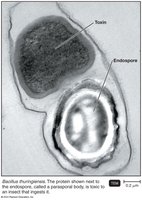
Insect pest control: Bacillus thuringiensis produces toxins fatal to insects.
Biotechnology: Microbes produce foods, chemicals, and pharmaceuticals; recombinant DNA technology enables gene therapy and crop protection.

Normal Microbiota and Biofilms
Microbial Communities and Resistance
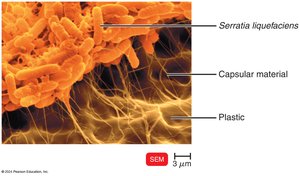
Normal microbiota protect against pathogens and produce essential growth factors. Biofilms are complex microbial communities that can be beneficial or harmful.
Biofilms: Microbes attach to surfaces and form protective communities.
Resistance: The body's ability to ward off disease, aided by microbiota and immune factors.
Emerging Infectious Diseases
New and Increasing Diseases
Emerging infectious diseases (EIDs) are new or increasing in incidence, often due to evolutionary changes, modern transportation, and environmental disruption.
COVID-19: Caused by SARS-CoV-2, declared a pandemic in 2020.
Monkeypox: Orthopoxvirus, flu-like illness and rash, human-to-human transmission.
Zika virus: Spread by mosquitoes, mild disease but severe birth defects if contracted during pregnancy.
H1N1 influenza: Swine flu, pandemic in 2009.
Avian influenza: Bird flu, primarily in poultry.
Antibiotic-resistant infections: MRSA, Clostridium difficile, multidrug-resistant tuberculosis.
Ebola and Marburg viruses: Cause hemorrhagic fevers, high mortality rates.