Ch. 11 - Characterizing and Classifying Prokaryotes
Bauman - Microbiology with Diseases by Taxonomy 6th Edition
Bauman6th EditionMicrobiology with Diseases by TaxonomyISBN: 9780134832302당신이 사용하는 게 아니라요?교과서 변경
11장, 문제 1

Whereas the first edition of Bergey’s Manual relied on morphological and biochemical characteristics to classify microbes, the new edition focuses on ribosomal RNA sequences. List several other criteria for grouping and classifying bacteria.

검증된 단계별 안내
1
Understand that bacterial classification can be based on multiple criteria beyond morphology, biochemical tests, and ribosomal RNA sequences.
Consider genetic methods such as DNA-DNA hybridization and whole-genome sequencing, which compare overall genetic similarity between bacterial strains.
Look at chemotaxonomic markers, including the composition of cell wall components (like peptidoglycan types), membrane lipids, and quinones, which can help differentiate bacterial groups.
Examine physiological and metabolic characteristics, such as oxygen requirements, temperature and pH tolerance, and specific metabolic capabilities (e.g., nitrogen fixation, fermentation pathways).
Include ecological and pathogenic traits, such as habitat preference, symbiotic relationships, and disease-causing potential, which provide additional context for classification.

비슷한 문제에 대한 검증된 영상 답변:

이 영상 해법은 위 문제에 도움이 된다고 튜터들이 추천한 것입니다.
영상 길이:
2m
도움이 되었나요?

주요 개념

질문에 올바르게 답하기 위해 반드시 이해해야 하는 핵심 개념들은 다음과 같습니다.

Morphological and Biochemical Characteristics

These traditional criteria involve observing the shape, size, staining properties, and metabolic activities of bacteria. Morphology includes cell shape and arrangement, while biochemical tests assess enzyme activities and nutrient utilization, helping to differentiate species based on observable traits.
추천 영상:
02:44
Types of Bacterial Cell Morphology

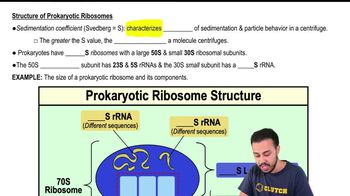
Ribosomal RNA (rRNA) Sequencing

rRNA sequencing analyzes the genetic sequences of ribosomal RNA genes, which are highly conserved among bacteria. This molecular method allows for precise phylogenetic classification by comparing evolutionary relationships, providing a more accurate and objective basis for grouping bacteria than morphology alone.
추천 영상:
08:39
Structure of Prokaryotic Ribosomes

Additional Classification Criteria

Beyond morphology and rRNA, bacteria can be classified using criteria such as cell wall composition (Gram staining), lipid and fatty acid profiles, genomic DNA-DNA hybridization, metabolic capabilities, ecological roles, and pathogenicity. These diverse factors provide a comprehensive understanding of bacterial diversity and relationships.
추천 영상:
04:56
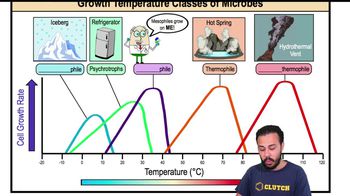
Classification of Microbes by Growth Temperature