Ch. 12 - Characterizing and Classifying Eukaryotes
Bauman - Microbiology with Diseases by Taxonomy 6th Edition
Bauman6th EditionMicrobiology with Diseases by TaxonomyISBN: 9780134832302당신이 사용하는 게 아니라요?교과서 변경
12장, 문제 1

Compare and contrast the following closely related terms:
a. Chromatid and chromosome
b. Mitosis and meiosis II
c. Hypha and mycelium

검증된 단계별 안내
1
Step 1: Define each term clearly to establish a basis for comparison. For example, explain that a chromosome is a DNA molecule with part or all of the genetic material of an organism, while a chromatid is one of the two identical halves of a duplicated chromosome.
Step 2: Highlight the structural and functional differences between the terms in each pair. For instance, note that chromatids are connected by a centromere before cell division, whereas chromosomes can be single or duplicated depending on the cell cycle stage.
Step 3: For mitosis and meiosis II, describe the processes briefly, emphasizing that mitosis results in two genetically identical daughter cells, while meiosis II is the second division in meiosis leading to four haploid cells, focusing on the separation of sister chromatids.
Step 4: Compare hypha and mycelium by explaining that a hypha is a single filamentous structure of a fungus, whereas mycelium is a network or mass of hyphae that forms the main body of the fungus.
Step 5: Summarize the key contrasts and similarities for each pair, ensuring to mention their biological significance and roles in cellular or organismal function.

비슷한 문제에 대한 검증된 영상 답변:

이 영상 해법은 위 문제에 도움이 된다고 튜터들이 추천한 것입니다.
영상 길이:
4m
도움이 되었나요?

주요 개념

질문에 올바르게 답하기 위해 반드시 이해해야 하는 핵심 개념들은 다음과 같습니다.

Chromatid and Chromosome

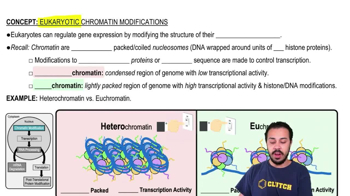
A chromosome is a single DNA molecule with associated proteins that carries genetic information. A chromatid refers to one of the two identical halves of a duplicated chromosome, joined at the centromere. Before cell division, chromosomes replicate to form sister chromatids, which separate during mitosis or meiosis.
추천 영상:
03:56
Eukaryotic Chromatin Modifications

Mitosis and Meiosis II

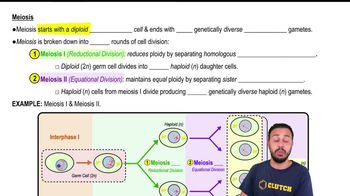
Mitosis is a type of cell division producing two genetically identical diploid daughter cells, maintaining chromosome number. Meiosis II resembles mitosis but occurs in haploid cells, separating sister chromatids to produce four genetically diverse haploid gametes. Meiosis II follows meiosis I, which reduces chromosome number.
추천 영상:
05:17
Meiosis

Hypha and Mycelium

A hypha is a single filamentous thread of fungal cells that grows and absorbs nutrients. A mycelium is a network or mass of many hyphae, forming the main vegetative structure of a fungus. Together, hyphae and mycelium enable fungi to colonize substrates and decompose organic matter.