Ch. 15 - Innate Immunity
Bauman - Microbiology with Diseases by Taxonomy 6th Edition
Bauman6th EditionMicrobiology with Diseases by TaxonomyISBN: 9780134832302당신이 사용하는 게 아니라요?교과서 변경
15장, 문제 15.2a

Name the cells.


a. ___________ <IMAGE> b. ___________ <IMAGE> c. ___________ <IMAGE> d. ___________ <IMAGE> e. ___________ <IMAGE>

검증된 단계별 안내
1
Step 1: Identify the context of the problem, which involves naming different types of cells based on provided images.
Step 2: Review the characteristics of common cell types in microbiology, such as prokaryotic cells (bacteria), eukaryotic cells (animal, plant, fungi), and specialized cells (e.g., immune cells).
Step 3: Examine each image carefully, noting distinctive features such as shape, size, presence of organelles, or any unique structures that can help in identifying the cell type.
Step 4: Match the observed features from the images with known characteristics of cell types. For example, look for cell wall presence, nucleus, or flagella.
Step 5: Assign the correct cell name to each image based on the analysis and comparison with known cell types.

비슷한 문제에 대한 검증된 영상 답변:

이 영상 해법은 위 문제에 도움이 된다고 튜터들이 추천한 것입니다.
영상 길이:
1m
도움이 되었나요?

주요 개념

질문에 올바르게 답하기 위해 반드시 이해해야 하는 핵심 개념들은 다음과 같습니다.

Cell Types in Microbiology

In microbiology, understanding the different types of cells is crucial. This includes prokaryotic cells, such as bacteria, which lack a nucleus and membrane-bound organelles, and eukaryotic cells, which have a defined nucleus and organelles. Recognizing these distinctions helps in identifying various microorganisms and their functions.
추천 영상:
07:27
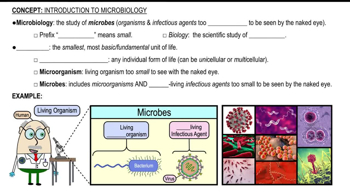
Introduction to Microbiology

Cell Structure and Function

Each cell type has unique structures that determine its function. For instance, bacterial cells have a cell wall, plasma membrane, and ribosomes, while eukaryotic cells may have additional structures like mitochondria and chloroplasts. Understanding these components is essential for identifying cells based on images.
추천 영상:
05:42
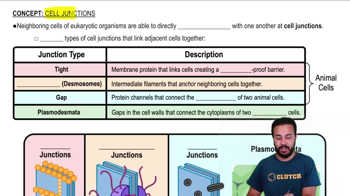
Cell Junctions

Microscopy Techniques

Microscopy is a fundamental technique in microbiology for visualizing cells. Different types of microscopy, such as light microscopy and electron microscopy, provide varying levels of detail and can reveal specific features of cells. Familiarity with these techniques aids in accurately naming and classifying cells based on their images.
추천 영상:
03:46
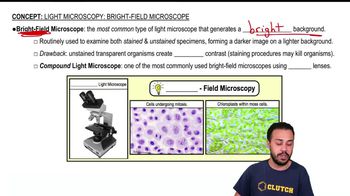
Light Microscopy: Bright-Field Microscopes