Ch. 20 - Pathogenic Gram-Negative Cocci and Bacilli
Bauman - Microbiology with Diseases by Taxonomy 6th Edition
Bauman6th EditionMicrobiology with Diseases by TaxonomyISBN: 9780134832302당신이 사용하는 게 아니라요?교과서 변경
20장, 문제 7

Given that pseudomonads are present in almost every moist environment, why do they cause less disease than other, less prevalent Gram-negative bacteria?

검증된 단계별 안내
1
Understand the ecological niche of pseudomonads: They are ubiquitous in moist environments, meaning they are commonly found in soil, water, and on surfaces with moisture, which contributes to their widespread presence.
Consider the concept of pathogenicity: Pathogenic bacteria have specific virulence factors that enable them to invade host tissues, evade the immune system, and cause disease. Assess whether pseudomonads possess these virulence factors to the same extent as other Gram-negative bacteria.
Analyze the interaction between pseudomonads and the human immune system: Despite their prevalence, pseudomonads often have lower virulence or require specific conditions (such as immunocompromised hosts) to cause disease, which limits their pathogenic potential in healthy individuals.
Compare the metabolic versatility and environmental adaptability of pseudomonads with their ability to cause disease: Their survival strategies in the environment do not necessarily translate into mechanisms for causing infection, unlike some other Gram-negative bacteria that have evolved specialized pathogenic traits.
Summarize that the lower incidence of disease caused by pseudomonads, despite their prevalence, is due to a combination of lower virulence factors, host immune defenses, and the requirement for specific conditions to establish infection.

비슷한 문제에 대한 검증된 영상 답변:

이 영상 해법은 위 문제에 도움이 된다고 튜터들이 추천한 것입니다.
영상 길이:
2m
도움이 되었나요?

주요 개념

질문에 올바르게 답하기 위해 반드시 이해해야 하는 핵심 개념들은 다음과 같습니다.

Environmental Ubiquity of Pseudomonads

Pseudomonads are widespread in moist environments due to their metabolic versatility and ability to survive under diverse conditions. This ubiquity means they often exist as harmless environmental bacteria rather than pathogens, reducing their direct interaction with hosts compared to more specialized pathogens.
추천 영상:
가이드 코스
07:21
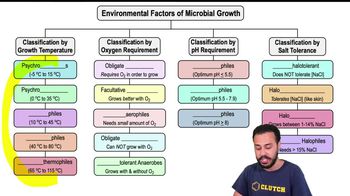
Reviewing the Environmental Factors of Microbial Growth

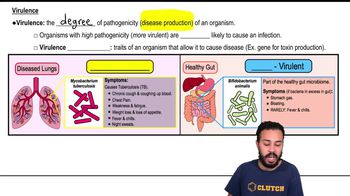
Virulence Factors and Pathogenicity

The ability of bacteria to cause disease depends on specific virulence factors like toxins, adhesion molecules, and immune evasion strategies. Pseudomonads generally have fewer or less effective virulence factors than other Gram-negative pathogens, which limits their capacity to cause infections despite their prevalence.
추천 영상:

Host Interaction and Opportunistic Infection

Pseudomonads are often opportunistic pathogens, causing disease mainly in immunocompromised hosts or when normal barriers are breached. Their lower pathogenicity in healthy individuals contrasts with other Gram-negative bacteria that can infect healthy hosts more readily, explaining the lower incidence of disease.
추천 영상:
가이드 코스
04:58
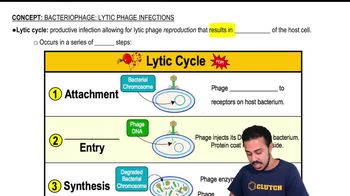
Bacteriophage: Lytic Phage Infections