
Ch. 20 - Pathogenic Gram-Negative Cocci and Bacilli
Bauman - Microbiology with Diseases by Taxonomy 6th Edition
Bauman6th EditionMicrobiology with Diseases by TaxonomyISBN: 9780134832302당신이 사용하는 게 아니라요?교과서 변경
20장, 문제 1

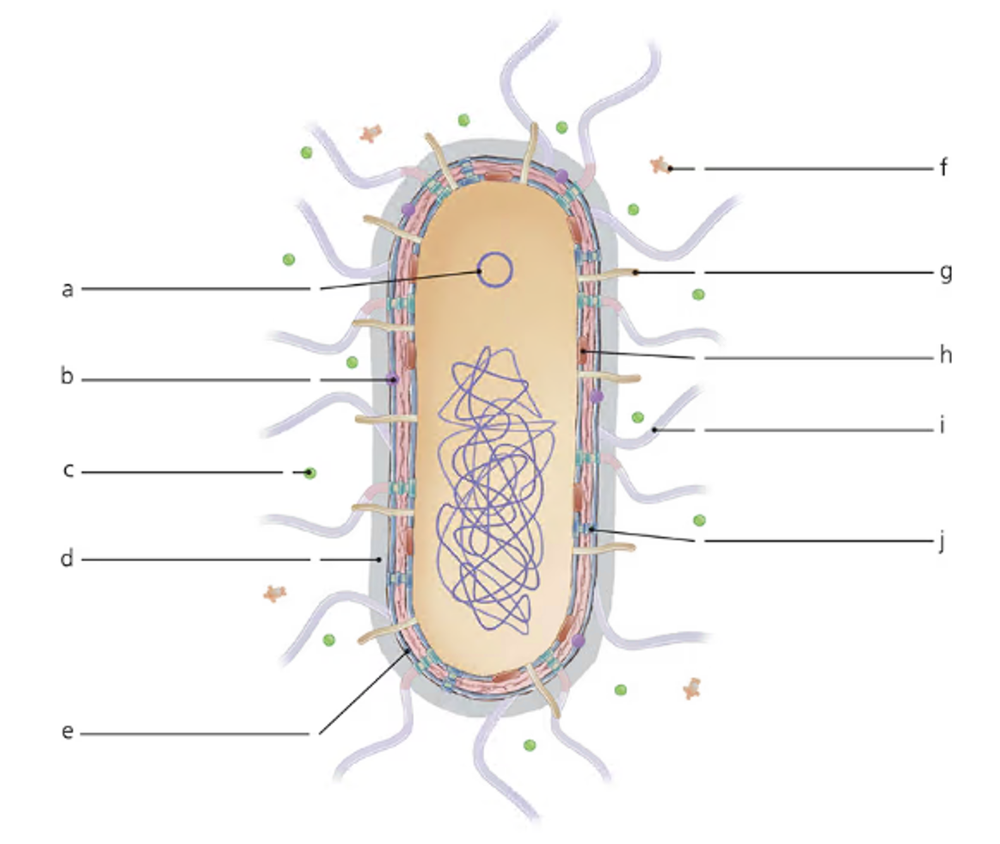
Label the following drawing using these words: adhesin, exotoxin, H antigens, hemolysin, iron-binding protein, K antigens, outer membrane (with common antigen, lipid A, and O antigen), fimbria, plasmid virulence genes, type III secretion system.
Diagram of a bacterial cell labeled with adhesin, exotoxin, H and K antigens, hemolysin, iron-binding protein, fimbria, plasmid genes, outer membrane, and type III secretion system.

검증된 단계별 안내
1
Begin by identifying the bacterial cell surface structures in the drawing. Label 'fimbria' as the hair-like appendages on the surface, which help in attachment to host cells.
Locate the 'adhesin' molecules, which are typically found at the tips of fimbriae or pili and are responsible for binding to host cell receptors.
Identify the 'outer membrane' of the Gram-negative bacterium. Within this membrane, label the 'common antigen', 'lipid A', and 'O antigen' as components of the lipopolysaccharide (LPS) layer.
Mark the 'H antigens' which are associated with flagella, and 'K antigens' which are capsular polysaccharides surrounding the cell, providing protection and aiding in immune evasion.
Label the 'hemolysin' as a secreted exotoxin that lyses red blood cells, and the 'exotoxin' as other secreted proteins that disrupt host cell functions. Also, indicate the 'iron-binding protein' which helps the bacterium acquire iron from the host, the 'type III secretion system' as a needle-like structure used to inject virulence factors, and 'plasmid virulence genes' as genetic elements often depicted inside the cell that encode for these virulence factors.

비슷한 문제에 대한 검증된 영상 답변:

이 영상 해법은 위 문제에 도움이 된다고 튜터들이 추천한 것입니다.
영상 길이:
2m
도움이 되었나요?

주요 개념

질문에 올바르게 답하기 위해 반드시 이해해야 하는 핵심 개념들은 다음과 같습니다.

Bacterial Surface Structures and Antigens

Bacterial surface components like fimbriae, H antigens (flagellar proteins), K antigens (capsular polysaccharides), and outer membrane elements (including lipid A and O antigen) play key roles in bacterial identification, immune evasion, and pathogenicity. Understanding their structure and function helps in labeling and distinguishing bacterial parts.
추천 영상:
03:52
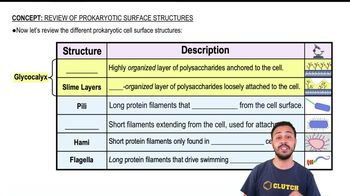
Review of Prokaryotic Surface Structures

Virulence Factors and Their Functions

Virulence factors such as adhesins, exotoxins, hemolysins, and iron-binding proteins enable bacteria to infect hosts, cause damage, and acquire nutrients. Recognizing these factors and their roles is essential for correctly identifying and labeling components related to bacterial pathogenicity.
추천 영상:
03:05
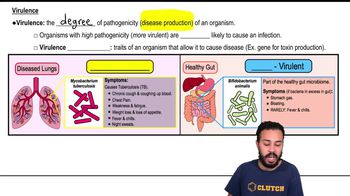
Virulence

Type III Secretion System and Plasmid Virulence Genes

The Type III secretion system is a specialized protein apparatus used by some bacteria to inject virulence proteins into host cells, facilitating infection. Plasmid virulence genes are mobile genetic elements that encode factors enhancing bacterial pathogenicity. Both concepts are crucial for understanding bacterial mechanisms of disease.
추천 영상:
04:13
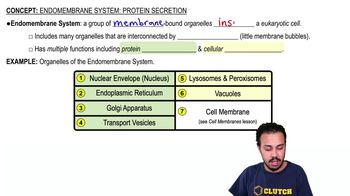
Endomembrane System: Protein Secretion