Ch. 22 - Pathogenic Fungi
Bauman - Microbiology with Diseases by Taxonomy 6th Edition
Bauman6th EditionMicrobiology with Diseases by TaxonomyISBN: 9780134832302당신이 사용하는 게 아니라요?교과서 변경
22장, 문제 6

Which of the following is considered a classical opportunistic fungus?
a. Blastomyces
b. Histoplasma
c. Fonsecaea
d. Aspergillus

검증된 단계별 안내
1
Step 1: Understand the term 'classical opportunistic fungus.' These fungi typically cause infections primarily in immunocompromised individuals, such as those with HIV/AIDS, cancer, or on immunosuppressive therapy.
Step 2: Review each option's general characteristics and typical clinical presentations. For example, Blastomyces and Histoplasma are dimorphic fungi known for causing systemic infections in immunocompetent hosts, often considered primary pathogens rather than opportunists.
Step 3: Consider Fonsecaea, which is associated with chromoblastomycosis, a chronic cutaneous fungal infection, but it is not typically classified as an opportunistic pathogen.
Step 4: Recognize Aspergillus as a genus of molds that commonly cause opportunistic infections, especially invasive aspergillosis in immunocompromised patients, making it a classical opportunistic fungus.
Step 5: Based on this analysis, identify which fungus fits the definition of a classical opportunistic pathogen by focusing on its typical host and infection pattern.

비슷한 문제에 대한 검증된 영상 답변:

이 영상 해법은 위 문제에 도움이 된다고 튜터들이 추천한 것입니다.
영상 길이:
2m

주요 개념

질문에 올바르게 답하기 위해 반드시 이해해야 하는 핵심 개념들은 다음과 같습니다.

Opportunistic Fungi

Opportunistic fungi are organisms that cause infections primarily in immunocompromised individuals, taking advantage of weakened host defenses. They are not typically pathogenic in healthy people but can cause severe disease when immunity is impaired.
추천 영상:
02:49
Fungi

Classical Opportunistic Fungi Examples

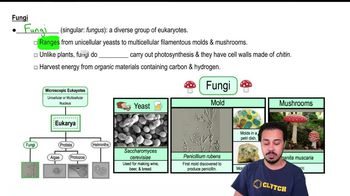
Classical opportunistic fungi include species like Aspergillus, Candida, and Cryptococcus, which commonly infect immunocompromised hosts. Recognizing these fungi helps differentiate them from primary pathogens that can infect healthy individuals.
추천 영상:
02:49
Fungi

Distinction Between Primary Pathogens and Opportunistic Fungi

Primary pathogenic fungi, such as Blastomyces and Histoplasma, can cause disease in healthy hosts by overcoming normal immune defenses. In contrast, opportunistic fungi mainly infect those with compromised immunity, highlighting the importance of host status in fungal infections.
추천 영상:
03:40
Introduction to Pathogenic Toxins