Ch. 4 - Microscopy, Staining, and Classification
Bauman - Microbiology with Diseases by Taxonomy 6th Edition
Bauman6th EditionMicrobiology with Diseases by TaxonomyISBN: 9780134832302당신이 사용하는 게 아니라요?교과서 변경
4장, 문제 5

Cationic chromophores such as methylene blue ionically bond to _______(positively/negatively) charged chemicals such as DNA and proteins.

검증된 단계별 안내
1
Understand the nature of cationic chromophores: 'Cationic' means the molecule carries a positive charge.
Recall that opposite charges attract, so positively charged molecules will bind to negatively charged molecules.
Identify the charge of DNA and proteins: DNA has a negatively charged phosphate backbone, and many proteins have negatively charged side chains.
Conclude that cationic chromophores like methylene blue bind ionically to negatively charged chemicals such as DNA and proteins.
Therefore, the blank should be filled with 'negatively' to indicate the charge of the chemicals methylene blue binds to.

비슷한 문제에 대한 검증된 영상 답변:

이 영상 해법은 위 문제에 도움이 된다고 튜터들이 추천한 것입니다.
영상 길이:
2m
도움이 되었나요?

주요 개념

질문에 올바르게 답하기 위해 반드시 이해해야 하는 핵심 개념들은 다음과 같습니다.

Cationic Chromophores

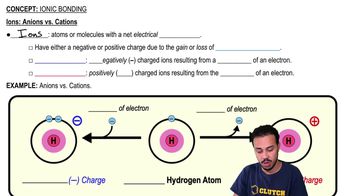
Cationic chromophores are positively charged dye molecules that bind to negatively charged substances. Their positive charge allows them to interact electrostatically with molecules like DNA and proteins, which carry negative charges.
추천 영상:

Charge Properties of DNA and Proteins

DNA and many proteins have negatively charged groups, such as phosphate groups in DNA and acidic amino acid residues in proteins. These negative charges enable ionic interactions with positively charged molecules like cationic dyes.
추천 영상:

Ionic Bonding in Staining Techniques

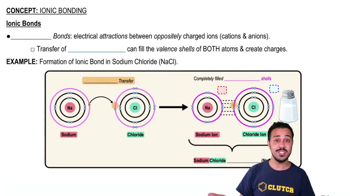
Ionic bonding involves electrostatic attraction between oppositely charged ions. In microbiology staining, cationic dyes bind to negatively charged cellular components through ionic bonds, allowing visualization of structures under a microscope.
추천 영상: