Ch. 6 - Microbial Nutrition and Growth
Bauman - Microbiology with Diseases by Taxonomy 6th Edition
Bauman6th EditionMicrobiology with Diseases by TaxonomyISBN: 9780134832302당신이 사용하는 게 아니라요?교과서 변경
6장, 문제 3

Superoxide dismutase:
a. Causes hydrogen peroxide to become toxic
b. Detoxifies superoxide radicals
c. Neutralizes singlet oxygen
d. Is missing in aerobes

검증된 단계별 안내
1
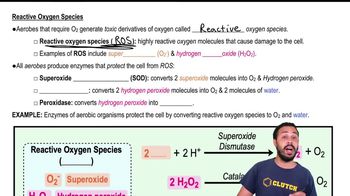
Understand the role of superoxide dismutase (SOD) in cellular metabolism, particularly in relation to reactive oxygen species (ROS).
Recall that superoxide radicals (O2•−) are harmful byproducts of oxygen metabolism that can damage cellular components.
Recognize that superoxide dismutase is an enzyme that catalyzes the conversion of superoxide radicals into less harmful molecules, specifically oxygen and hydrogen peroxide.
Note that hydrogen peroxide produced by SOD is further broken down by other enzymes like catalase or peroxidase to prevent toxicity.
Based on this understanding, identify which option correctly describes the function of superoxide dismutase.

비슷한 문제에 대한 검증된 영상 답변:

이 영상 해법은 위 문제에 도움이 된다고 튜터들이 추천한 것입니다.
영상 길이:
1m
도움이 되었나요?

주요 개념

질문에 올바르게 답하기 위해 반드시 이해해야 하는 핵심 개념들은 다음과 같습니다.

Superoxide Radicals

Superoxide radicals are reactive oxygen species (ROS) formed as byproducts of oxygen metabolism. They are highly reactive and can damage cellular components like DNA, proteins, and lipids, leading to oxidative stress.
추천 영상:
04:43
Reactive Oxygen Species

Function of Superoxide Dismutase (SOD)

Superoxide dismutase is an enzyme that catalyzes the conversion of superoxide radicals into oxygen and hydrogen peroxide, thereby detoxifying these harmful molecules and protecting cells from oxidative damage.
추천 영상:
06:04
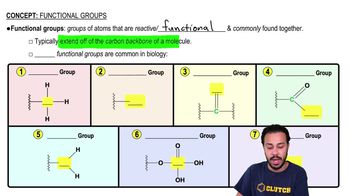
Functional Groups

Role of Antioxidant Enzymes in Aerobes

Aerobic organisms produce antioxidant enzymes like superoxide dismutase to neutralize reactive oxygen species generated during respiration. These enzymes are essential for survival in oxygen-rich environments.
추천 영상:
02:55
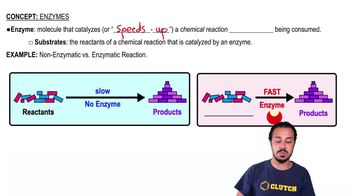
Enzymes