How can campers effectively treat stream water to remove pathogenic protozoa, bacteria, and viruses?
Ch. 9 - Controlling Microbial Growth in the Environment
9장, 문제 14
What are some advantages and disadvantages of using ionizing radiation to sterilize food?
검증된 단계별 안내1
Step 1: Understand what ionizing radiation is and how it works in food sterilization. Ionizing radiation involves high-energy rays (such as gamma rays, X-rays, or electron beams) that can penetrate food and kill microorganisms by damaging their DNA and cellular structures.
Step 2: Identify the advantages of using ionizing radiation for food sterilization. These include its ability to effectively kill bacteria, viruses, and parasites without raising the temperature of the food, thus preserving the food's texture, flavor, and nutritional value.
Step 3: Recognize that ionizing radiation can penetrate packaged foods, allowing sterilization after packaging, which reduces the risk of recontamination.
Step 4: Consider the disadvantages, such as the potential for changes in food chemistry that might affect taste or texture in some foods, and the public perception or consumer concerns about irradiated food safety.
Step 5: Note the regulatory and cost factors, including the need for specialized equipment, safety precautions for workers, and compliance with food safety regulations, which can limit widespread use.

비슷한 문제에 대한 검증된 영상 답변:
이 영상 해법은 위 문제에 도움이 된다고 튜터들이 추천한 것입니다.
영상 길이:
1m도움이 되었나요?
주요 개념
질문에 올바르게 답하기 위해 반드시 이해해야 하는 핵심 개념들은 다음과 같습니다.
Ionizing Radiation
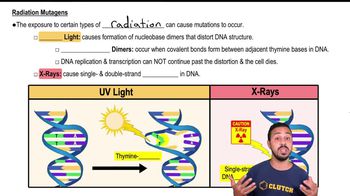
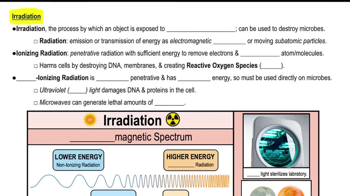
Ionizing radiation refers to high-energy radiation, such as gamma rays, X-rays, or electron beams, that can remove tightly bound electrons from atoms, creating ions. It is used in food sterilization to kill microorganisms by damaging their DNA and cellular structures, effectively reducing spoilage and pathogens.
추천 영상:
Radiation Mutagens
Advantages of Ionizing Radiation in Food Sterilization
Advantages include effective microbial inactivation without raising food temperature, preserving nutritional and sensory qualities. It extends shelf life, reduces the risk of foodborne illnesses, and can penetrate packaging, allowing sterilization after packaging.
추천 영상:
Irradiation
Disadvantages of Ionizing Radiation in Food Sterilization
Disadvantages include potential changes in food texture or flavor, consumer concerns about safety, and the need for specialized equipment and regulatory approval. Some nutrients may degrade, and improper dosing can lead to incomplete sterilization or food damage.
추천 영상:
Irradiation
관련 실천
교과서 질문
856
views
교과서 질문
Which of the following chemicals is active against bacterial endospores?
a. Copper ions
b. Ethylene oxide
c. Ethanol
d. Triclosan
824
views
교과서 질문
Which of the following substances is least toxic to humans?
a. Carbolic acid
b. Glutaraldehyde
c. Hydrogen peroxide
d. Formalin
765
views
교과서 질문
Biosafety Level 3 includes:
a. Double sets of entry doors
b. Pressurized suits
c. Showers in entryways
d. All of the above
672
views
교과서 질문
Contrast the structures and actions of soaps and quats.
732
views
교과서 질문
A sample of E. coli has been subjected to heat for a specified time, and 90% of the cells have been destroyed. Which of the following terms best describes this event?
a. Thermal death point
b. Thermal death time
c. Decimal reduction time
d. None of the above
824
views