Ch. 17 - Skin and Eye Infections
Norman-McKay- Microbiology: Basic and Clinical Principles 2nd Edition
Norman-McKay2nd EditionMicrobiology: Basic and Clinical PrinciplesISBN: 9780137661619당신이 사용하는 게 아니라요?교과서 변경
13장, 문제 13

Acanthamoeba protozoa species are associated with:
a. keratitis.
b. conjunctivitis.
c. river blindness.
d. trachoma.
e. all of the above.

검증된 단계별 안내
1
Step 1: Understand the organism in question. Acanthamoeba is a genus of free-living amoebae found in various environments such as soil, water, and air. It is known to cause infections in humans, particularly affecting the eyes and central nervous system.
Step 2: Review the diseases listed in the options and their common causative agents: keratitis (often caused by Acanthamoeba), conjunctivitis (commonly caused by bacteria or viruses), river blindness (caused by the parasitic worm Onchocerca volvulus), and trachoma (caused by Chlamydia trachomatis).
Step 3: Identify which disease(s) are specifically associated with Acanthamoeba. Acanthamoeba is well-known for causing keratitis, especially in contact lens users, due to its ability to invade the cornea.
Step 4: Evaluate the other options to confirm if Acanthamoeba is linked to them. Since conjunctivitis, river blindness, and trachoma have different primary causative agents, Acanthamoeba is not typically associated with these conditions.
Step 5: Conclude that the correct association is with keratitis, and therefore, the answer corresponds to option a.

비슷한 문제에 대한 검증된 영상 답변:

이 영상 해법은 위 문제에 도움이 된다고 튜터들이 추천한 것입니다.
영상 길이:
2m

주요 개념

질문에 올바르게 답하기 위해 반드시 이해해야 하는 핵심 개념들은 다음과 같습니다.

Acanthamoeba and Its Pathogenicity

Acanthamoeba is a genus of free-living amoebae found in soil and water. Some species are opportunistic pathogens causing infections in humans, particularly affecting the eyes and central nervous system. Understanding its pathogenic potential is key to linking it with specific diseases.
추천 영상:
03:40
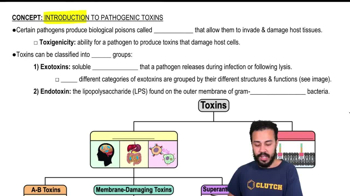
Introduction to Pathogenic Toxins

Keratitis Caused by Acanthamoeba

Acanthamoeba keratitis is a serious eye infection affecting the cornea, often linked to contact lens use or exposure to contaminated water. It causes pain, redness, and potential vision loss, making it a hallmark disease associated with Acanthamoeba species.
추천 영상:
03:24
Lipid A Causes Septic Shock

Differentiation from Other Eye Infections

Conjunctivitis, river blindness, and trachoma are caused by different pathogens: viruses/bacteria, Onchocerca volvulus, and Chlamydia trachomatis respectively. Recognizing these distinctions helps correctly associate Acanthamoeba specifically with keratitis.
추천 영상:
04:07
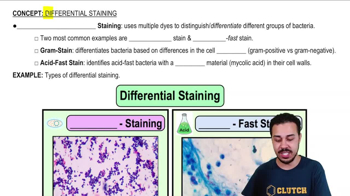
Differential Staining
관련 실천
교과서 질문

Conjunctivitis is caused by the following agent types (select ALL that apply):

a. bacteria.

b. viruses.

c. protozoa.

d. fungi.

e. helminths.

1056
views
교과서 질문

Select the false statement about trachoma:

a. The causative agent is bacterial.

b. It is the leading cause of infectious blindness in the United States.

c. It is transmitted by unhygienic items, such as flies, fingers, and fomites.

d. Uncomplicated cases can be resolved with antibiotics.

e. Severe cases require surgery.

1091
views
교과서 질문

Select the false statement about cutaneous candidiasis:

a. The most common causative species is Candida albicans.

b. Candida albicans can be part of normal microbiota.

c. Usage of antibiotics can increase the chance of cutaneous candidiasis.

d. Changes in pH can permit overgrowth.

e. The causative agents are naturally found as mold filaments.

1139
views
교과서 질문

A frantic mother comes into your clinic because her two-year-old child has had a very high fever for two days now, with mild diarrhea and coldlike symptoms. As you consider the differential list, which is the most likely causative agent if the fever breaks and is replaced with a rash by tomorrow?

a. Human parvovirus B19

b. Hand, foot, and mouth disease

c. Roseola

d. Rubella

e. Measles

1169
views
교과서 질문

Your diabetic patient has a foot wound that has developed into serious necrosis and the recommended treatment has been sessions in the hyperbaric oxygen chamber. You are explaining to him what has contributed to this condition, including the causative agent, which is:

a. Bacillus anthracis.

b. Clostridium perfringens.

c. Corynebacteria diphtheriae.

d. Streptococcus pyogenes.

e. Pseudomonas aeroginosa.

1087
views
교과서 질문

Which best describes conjunctivitis (select ALL that apply)?

a. Itchy eyes

b. Scarred cornea

c. Red eyes

d. Inverted eyelashes

e. Scarred conjunctiva

1094
views