Ch. 21 - Cardiovascular and Lymphatic Infections
Norman-McKay- Microbiology: Basic and Clinical Principles 2nd Edition
Norman-McKay2nd EditionMicrobiology: Basic and Clinical PrinciplesISBN: 9780137661619당신이 사용하는 게 아니라요?교과서 변경
17장, 문제 3

Which of the following microbes is most commonly associated with sepsis in immune-compromised individuals?
a. Borrelia burgdorferi
b. Human immunodeficiency virus
c. Zika virus
d. Candida albicans
e. Epstein-Barr virus

검증된 단계별 안내
1
Step 1: Understand the definition of sepsis. Sepsis is a life-threatening organ dysfunction caused by a dysregulated host response to infection, often involving bacteria or fungi entering the bloodstream and causing systemic inflammation.
Step 2: Review the characteristics of each microbe listed: Borrelia burgdorferi is a bacterium causing Lyme disease; Human immunodeficiency virus (HIV) causes immune suppression but is not a direct cause of sepsis; Zika virus is primarily associated with neurological complications; Candida albicans is a fungal pathogen known to cause bloodstream infections, especially in immune-compromised patients; Epstein-Barr virus causes infectious mononucleosis and is not commonly linked to sepsis.
Step 3: Focus on the immune-compromised population, who are more susceptible to opportunistic infections, particularly fungal infections like those caused by Candida albicans, which can lead to systemic infections and sepsis.
Step 4: Recognize that Candida albicans is the most common cause of fungal sepsis in immune-compromised individuals due to its ability to invade the bloodstream and cause systemic infection.
Step 5: Conclude that among the options, Candida albicans is the microbe most commonly associated with sepsis in immune-compromised individuals.

비슷한 문제에 대한 검증된 영상 답변:

이 영상 해법은 위 문제에 도움이 된다고 튜터들이 추천한 것입니다.
영상 길이:
2m

주요 개념

질문에 올바르게 답하기 위해 반드시 이해해야 하는 핵심 개념들은 다음과 같습니다.

Sepsis and Its Causes

Sepsis is a life-threatening condition caused by the body's extreme response to an infection, leading to tissue damage and organ failure. It commonly arises from bacterial, fungal, or viral infections, especially in immune-compromised individuals who cannot effectively fight pathogens.
추천 영상:
03:24
Lipid A Causes Septic Shock

Immune-Compromised Individuals

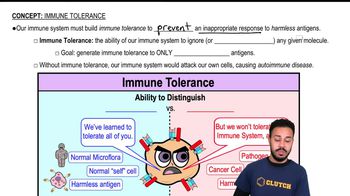
Immune-compromised individuals have weakened immune systems due to conditions like HIV/AIDS, chemotherapy, or organ transplants. This makes them more susceptible to opportunistic infections, including those caused by fungi and certain viruses that rarely cause severe disease in healthy people.
추천 영상:
03:19
Immune Tolerance

Candida albicans as an Opportunistic Pathogen

Candida albicans is a common fungal pathogen that can cause bloodstream infections and sepsis, especially in immune-compromised patients. It is part of normal human flora but can become invasive when the immune system is weakened, making it a frequent cause of fungal sepsis.
추천 영상:
03:40
Introduction to Pathogenic Toxins