Ch. 20 - Antimicrobial Drugs
Tortora - Microbiology: An Introduction 14th Edition
Tortora14th EditionMicrobiology: An IntroductionISBN: 9780138200398당신이 사용하는 게 아니라요?교과서 변경
16장, 문제 6

Why does a cell die from the following antimicrobial actions?
a. Colistimethate binds to phospholipids.
b. Kanamycin binds to 70S ribosomes.

검증된 단계별 안내
1
Understand the mechanism of action for colistimethate: it binds to phospholipids in the bacterial cell membrane. This disrupts the integrity of the membrane, causing increased permeability and leakage of essential cellular contents, which ultimately leads to cell death.
Recognize that phospholipids are key components of the bacterial cell membrane, maintaining its structure and function. When colistimethate binds to these phospholipids, it compromises the membrane's barrier function.
For kanamycin, identify that it binds to the 70S ribosomes, which are the bacterial ribosomes responsible for protein synthesis. This binding interferes with the ribosome's ability to accurately translate mRNA into proteins.
Understand that inhibition of protein synthesis by kanamycin leads to the production of faulty or incomplete proteins, which disrupts vital cellular processes and causes the bacterial cell to die.
Summarize that both antimicrobial actions cause cell death by targeting essential structures: colistimethate disrupts the cell membrane integrity, while kanamycin inhibits protein synthesis by targeting the ribosomes.

비슷한 문제에 대한 검증된 영상 답변:

이 영상 해법은 위 문제에 도움이 된다고 튜터들이 추천한 것입니다.
영상 길이:
1m
도움이 되었나요?

주요 개념

질문에 올바르게 답하기 위해 반드시 이해해야 하는 핵심 개념들은 다음과 같습니다.

Mechanism of Action of Colistimethate

Colistimethate is an antibiotic that targets the bacterial cell membrane by binding to phospholipids, disrupting membrane integrity. This interaction causes increased permeability, leading to leakage of cellular contents and ultimately cell death due to loss of membrane function.
추천 영상:
01:59
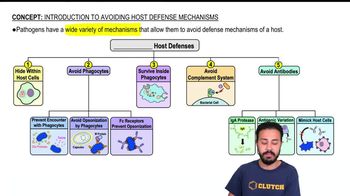
Introduction to Avoiding Host Defense Mechanisms

Role of 70S Ribosomes in Bacterial Protein Synthesis

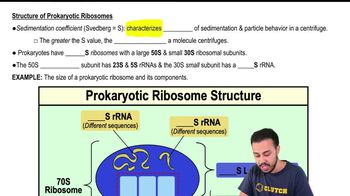
Bacterial 70S ribosomes are the sites of protein synthesis, composed of 50S and 30S subunits. They translate mRNA into proteins essential for cell survival and function. Disruption of ribosomal activity halts protein production, impairing vital cellular processes.
추천 영상:
08:39
Structure of Prokaryotic Ribosomes

Mechanism of Action of Kanamycin

Kanamycin is an aminoglycoside antibiotic that binds irreversibly to the 30S subunit of the 70S bacterial ribosome. This binding causes misreading of mRNA and inhibits protein synthesis, leading to production of faulty proteins and eventual bacterial cell death.
추천 영상:
01:59
Introduction to Avoiding Host Defense Mechanisms