Ch. 22 - Microbial Diseases of the Nervous System
Tortora - Microbiology: An Introduction 14th Edition
Tortora14th EditionMicrobiology: An IntroductionISBN: 9780138200398당신이 사용하는 게 아니라요?교과서 변경
18장, 문제 10

Use the following choices to answer the question given below:
a. Cryptococcus
b. Haemophilus
c. Listeria
d. Naegleria
e. Neisseria
Microscopic examination of cerebrospinal fluid from a person who washes windows on a building in a large city reveals ovoid cells.

검증된 단계별 안내
1
Step 1: Identify the key features described in the problem. The cerebrospinal fluid (CSF) contains ovoid cells observed under microscopic examination.
Step 2: Recall the characteristics of each organism listed in the choices, focusing on their morphology and typical clinical presentations involving the central nervous system (CNS).
Step 3: Consider the shape 'ovoid cells' and which organisms among the options are known to appear as ovoid cells in CSF. For example, Cryptococcus is a yeast that appears as ovoid cells with a capsule.
Step 4: Evaluate the environmental and epidemiological context. The patient is a window washer in a large city, which may influence exposure risk to certain pathogens.
Step 5: Use the process of elimination by matching the morphology and clinical context to the most likely organism from the list, focusing on those that cause meningitis or CNS infections and appear as ovoid cells microscopically.

비슷한 문제에 대한 검증된 영상 답변:

이 영상 해법은 위 문제에 도움이 된다고 튜터들이 추천한 것입니다.
영상 길이:
2m
도움이 되었나요?

주요 개념

질문에 올바르게 답하기 위해 반드시 이해해야 하는 핵심 개념들은 다음과 같습니다.

Microscopic Morphology of Microorganisms

Microscopic morphology refers to the shape, size, and structural features of microorganisms observed under a microscope. Identifying ovoid (egg-shaped) cells helps narrow down the type of pathogen, as different microbes have characteristic shapes such as cocci, bacilli, or ovoid forms. This is crucial for preliminary diagnosis and guiding further testing.
추천 영상:
03:46
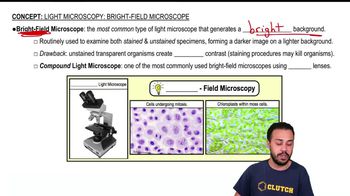
Light Microscopy: Bright-Field Microscopes

Common Causes of Meningitis and Their Characteristics

Cerebrospinal fluid (CSF) analysis is key in diagnosing meningitis, an infection of the membranes around the brain and spinal cord. Common bacterial and fungal pathogens like Neisseria, Haemophilus, Listeria, and Cryptococcus have distinct features and patient risk profiles. Recognizing these helps correlate clinical presentation with likely causative agents.
추천 영상:
03:24
Lipid A Causes Septic Shock

Environmental Exposure and Pathogen Source

Understanding a patient's environmental exposure, such as washing windows in a city, can hint at possible pathogens encountered. For example, Naegleria, a free-living amoeba found in warm freshwater, causes rare but severe brain infections. Linking exposure history with pathogen ecology aids in accurate diagnosis.
추천 영상:
03:27
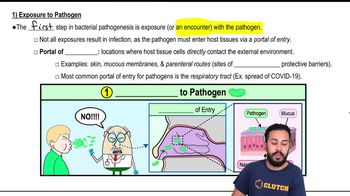
1) Exposure to Pathogen