


Ch. 23 - Microbial Diseases of the Cardiovascular and Lymphatic Systems
Tortora - Microbiology: An Introduction 14th Edition
Tortora14th EditionMicrobiology: An IntroductionISBN: 9780138200398당신이 사용하는 게 아니라요?교과서 변경
19장, 문제 3

Compare and contrast epidemic typhus, endemic murine typhus, and tickborne typhus.

검증된 단계별 안내
1
Step 1: Define each disease by identifying the causative agent. Epidemic typhus is caused by *Rickettsia prowazekii*, endemic murine typhus by *Rickettsia typhi*, and tickborne typhus by *Rickettsia rickettsii* or related species depending on the region.
Step 2: Describe the primary vectors responsible for transmission. Epidemic typhus is transmitted by the human body louse (*Pediculus humanus corporis*), endemic murine typhus by fleas (especially the rat flea, *Xenopsylla cheopis*), and tickborne typhus by ticks (such as *Dermacentor* species).
Step 3: Compare the epidemiology and typical settings. Epidemic typhus often occurs in crowded, unsanitary conditions such as during wars or famines; endemic murine typhus is associated with urban or suburban areas where rats and fleas are common; tickborne typhus is usually found in rural or wooded areas where ticks are prevalent.
Step 4: Contrast the clinical features and severity. Epidemic typhus tends to cause severe illness with high fever, rash, and potentially fatal complications; endemic murine typhus generally causes a milder illness with fever and rash; tickborne typhus can vary but often includes fever, rash, and sometimes severe systemic symptoms.
Step 5: Summarize prevention and control measures. Control of epidemic typhus focuses on improving hygiene and controlling lice; endemic murine typhus prevention involves controlling rodent and flea populations; tickborne typhus prevention includes avoiding tick bites and managing tick habitats.

비슷한 문제에 대한 검증된 영상 답변:

이 영상 해법은 위 문제에 도움이 된다고 튜터들이 추천한 것입니다.
영상 길이:
1m

주요 개념

질문에 올바르게 답하기 위해 반드시 이해해야 하는 핵심 개념들은 다음과 같습니다.

Causative Agents of Typhus

Epidemic typhus is caused by Rickettsia prowazekii, endemic murine typhus by Rickettsia typhi, and tickborne typhus by Rickettsia species such as Rickettsia rickettsii or Rickettsia conorii. Understanding the specific bacteria involved helps differentiate the diseases and their transmission cycles.
추천 영상:
03:24
Lipid A Causes Septic Shock

Vectors and Transmission

Epidemic typhus is transmitted by the human body louse, endemic murine typhus by fleas typically found on rats, and tickborne typhus by ticks. The type of vector influences the epidemiology, geographic distribution, and control measures of each typhus form.
추천 영상:
04:23
Transmission Electron Microscope (TEM)

Clinical Features and Epidemiology

Epidemic typhus often causes severe outbreaks with high mortality, endemic murine typhus is generally milder and sporadic, and tickborne typhus varies in severity depending on the species. Recognizing differences in symptoms, severity, and outbreak patterns aids in diagnosis and public health response.
추천 영상:
03:54
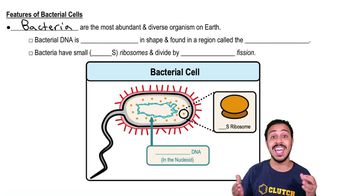
Features of Bacterial Cells