 뒤로
뒤로Antioxidant Nutrients: Roles, Sources, and Health Implications
스터디 가이드 - 스마트 노트
 자료에 맞춘 맞춤형 노트, 핵심 정의, 예시, 맥락을 확장해 제공합니다.
Chapter 8: Nutrients Important as Antioxidants
Section 8.1: Generation of Free Radicals in the Body
Free radicals are highly reactive molecules generated as natural byproducts of cellular metabolism. Their presence and activity are central to understanding oxidative stress and its implications for human health.
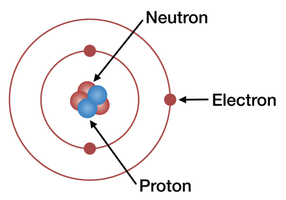
Atoms are the basic building blocks of all matter, consisting of a nucleus (protons and neutrons) surrounded by electrons.
Atoms are more stable when their electrons are paired. Occasionally, electrons escape and are transferred to oxygen molecules, forming superoxide, a type of free radical.
Free radicals are atoms or molecules with unpaired electrons, making them highly reactive.
Reactive oxygen species (ROS) are oxygen-containing molecules with unpaired electrons, contributing to oxidative stress.
Free radicals can damage lipids, proteins, RNA, and DNA by stealing electrons, leading to cellular dysfunction.

Oxidative Stress
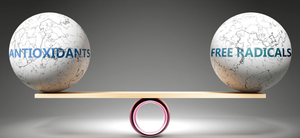
Oxidative stress occurs when there is an imbalance between free radical production and the body's ability to detoxify them or repair the resulting damage.
Oxidative stress is associated with diseases such as cancer, atherosclerosis, arthritis, diabetes, kidney disease, Alzheimer's disease, Parkinson's disease, schizophrenia, bipolar disorder, cataracts, emphysema, and aging.
External factors like sunlight, ozone, smoke, heavy metals, radiation, and toxic chemicals can increase free radical production.
The Body’s Defense Against Free Radicals
Antioxidants are molecules that can block free radicals from stealing electrons, thus preventing cellular damage.
Major antioxidant enzyme systems include:
Superoxide Dismutases (SOD)
Catalase
Glutathione Peroxidases
Antioxidants can be hydrophilic (water-soluble, acting in cytosol or blood) or hydrophobic (lipid-soluble, protecting cell membranes).
The body synthesizes some antioxidants (e.g., glutathione, uric acid), but many must be obtained from the diet (e.g., selenium, vitamins A, C, E).
Section 8.2: Antioxidant Micronutrients
Antioxidant micronutrients include specific vitamins and minerals that neutralize free radicals and support overall health. Many are essential nutrients that must be consumed in the diet.
Antioxidant Vitamins
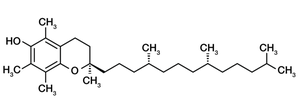
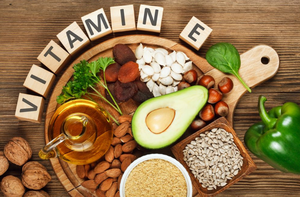
Vitamin E (tocopherols and tocotrienols): A fat-soluble antioxidant that protects cell membranes, supports immune function, enhances blood vessel dilation, and inhibits blood clot formation.
Dietary sources: Nuts, oils, paprika, red chili pepper, oregano, basil, cumin, thyme.
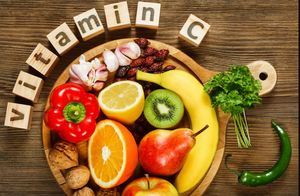
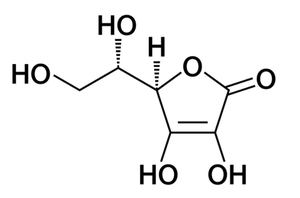
Vitamin C (ascorbic acid): A water-soluble antioxidant effective in neutralizing free radicals. Its levels depend on dietary intake.
Dietary sources: Citrus fruits, many vegetables.
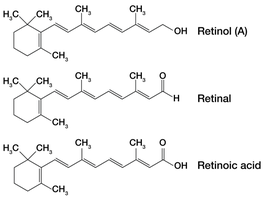
Vitamin A (retinoids): A group of fat-soluble compounds (retinol, retinal, retinoic acid) essential for vision, immune function, skin health, and development.
Dietary sources: Preformed vitamin A in animal foods; carotenoids in colorful fruits and vegetables.
Phytochemicals
Phytochemicals are plant-derived chemicals that may act as antioxidants and have other health-promoting effects, though they are not classified as nutrients.
Carotenoids: Plant pigments (e.g., alpha-carotene, beta-carotene, lycopene, lutein, zeaxanthin) with antioxidant properties. Linked to reduced risk of age-related macular degeneration and some cancers.
Flavonoids: A large class of compounds (anthocyanidins, flavanols, isoflavones) that scavenge free radicals and are associated with lower cardiovascular risk.
Organosulfur compounds: Found in garlic, onions, leeks, and cruciferous vegetables; linked to reduced cardiovascular and cancer risk.
Lignans: Found in grains, nuts, seeds, fruits, vegetables, and flaxseed.
Herbs, spices, and tea are also rich in phytochemicals, with tea containing over 700 different types.
Antioxidant Minerals
Selenium: Essential for detoxifying free radicals, protecting endothelial cells, and supporting immune and thyroid function. Found in organ meats, muscle meats, and seafood.
Manganese, Iron, Copper, Zinc: Required in proper doses for optimal antioxidant enzyme function, but can become pro-oxidants in excess.
Section 8.3: The Whole Nutrient Package versus Disease
Consuming a variety of antioxidant- and phytochemical-rich foods is associated with reduced risk of chronic diseases. No supplement can replicate the benefits of a diverse, plant-based diet.
Health benefits are attributed to the complex mixture of nutrients and phytochemicals in whole foods, which act additively and synergistically.
Most Americans do not consume enough fruits and vegetables; increasing intake is a public health priority.
Strategies to improve intake include supporting local agriculture, increasing access in underserved areas, and promoting healthy food environments in schools, workplaces, and communities.

Key Takeaways
Free radicals are unavoidable byproducts of metabolism and can cause cellular damage if not neutralized by antioxidants.
The body relies on both endogenous and dietary antioxidants for protection.
Antioxidant-rich foods, not supplements, are associated with decreased risk of chronic diseases.
Phytochemicals have diverse functions beyond antioxidant activity and are best obtained from a varied diet.
Balance is crucial: excessive antioxidants can become pro-oxidants and contribute to oxidative stress.
