 뒤로
뒤로Australian Population, Health, and Food Patterns: A Nutrition Perspective
스터디 가이드 - 스마트 노트
 자료에 맞춘 맞춤형 노트, 핵심 정의, 예시, 맥락을 확장해 제공합니다.
Population and Food Patterns in Australia
Overview
This section explores the characteristics and health of both First Australians and the current population, and how these factors influence food supply, habits, and preferences in Australia today. Understanding these elements is essential for nutrition students to appreciate the broader context of dietary patterns and public health in Australia.
First Australians and Current Population
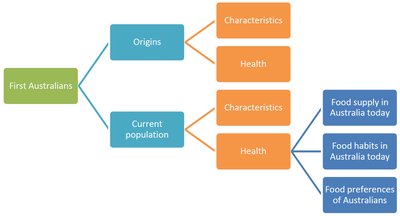
Origins and Characteristics
First Australians refer to Aboriginal and Torres Strait Islander peoples, the original inhabitants of the Australian continent.
The current population includes both descendants of First Australians and people from diverse backgrounds due to migration.
Population characteristics influence health outcomes and dietary patterns.
Health Characteristics
Health outcomes differ between First Australians and the broader population, often due to social determinants such as access to healthcare, education, and economic status.
Nutrition-related health issues, such as obesity, diabetes, and heart disease, are prevalent in varying degrees across different groups.
Population Change and Migration
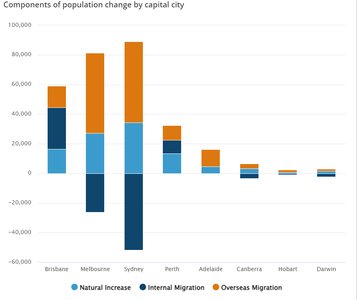
Components of Population Change
Population change in Australian cities is driven by three main factors:
Natural Increase: The difference between births and deaths.
Internal Migration: Movement of people between regions within Australia.
Overseas Migration: Arrival of people from other countries.
These factors influence the demographic makeup of cities, which in turn affects food supply and dietary habits due to cultural diversity and changing food preferences.
Health Status of Australians
OECD Health Rankings
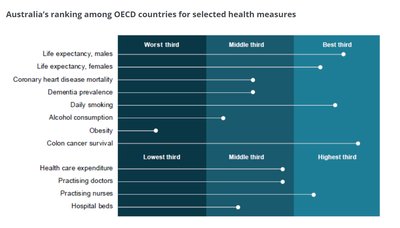
Australia's health status is compared to other OECD countries using several measures:
Life Expectancy: Both males and females in Australia are in the best third among OECD countries.
Coronary Heart Disease Mortality: Middle third ranking, indicating moderate outcomes.
Dementia Prevalence: Middle third, suggesting average rates compared to other countries.
Daily Smoking and Alcohol Consumption: Australia ranks in the best third for low daily smoking rates, but middle third for alcohol consumption.
Obesity: Middle third, reflecting a significant public health concern.
Colon Cancer Survival: Best third, indicating strong healthcare outcomes in this area.
Health Care Expenditure: Middle third, showing moderate spending on health care.
Practising Doctors and Nurses: Middle third for doctors, highest third for nurses, indicating good healthcare workforce coverage.
Hospital Beds: Middle third, reflecting average hospital infrastructure.
Food Supply, Habits, and Preferences in Australia
Food Supply
Australia has a diverse and abundant food supply, influenced by local agriculture and international imports.
Food availability is shaped by population growth, migration, and economic factors.
Food Habits
Food habits in Australia reflect multicultural influences, with a wide variety of cuisines and dietary practices.
Urbanization and busy lifestyles have increased the consumption of convenience foods and eating out.
Food Preferences
Australians show preferences for fresh produce, meat, dairy, and grains, but there is also a growing trend toward plant-based and international foods.
Health awareness is increasing, leading to greater demand for nutritious and functional foods.
Summary Table: Key Factors Affecting Food and Health in Australia
Factor | Impact on Food Patterns | Impact on Health |
|---|---|---|
Population Diversity | Increases variety of available foods and cuisines | May introduce new health challenges and benefits |
Migration | Alters food supply and preferences | Changes in dietary patterns can affect chronic disease risk |
Socioeconomic Status | Affects access to healthy foods | Impacts overall health outcomes |
Urbanization | Increases access to convenience foods | May contribute to obesity and related diseases |
Conclusion
Understanding the interplay between population characteristics, migration, and health is crucial for nutrition professionals. These factors shape the food environment, dietary habits, and health outcomes in Australia, highlighting the importance of culturally sensitive and evidence-based nutrition strategies.
