 뒤로
뒤로Fluid and Electrolyte Balance: Foundations for Nutrition
스터디 가이드 - 스마트 노트
 자료에 맞춘 맞춤형 노트, 핵심 정의, 예시, 맥락을 확장해 제공합니다.
Fluid and Electrolyte Balance
Location and Composition of Body Fluids
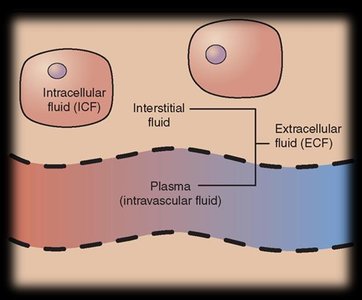
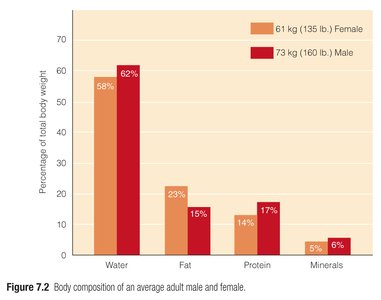
Body fluids are the liquid portion of our cells and tissues, making up 50–70% of a healthy adult's body weight. These fluids are distributed in different compartments:
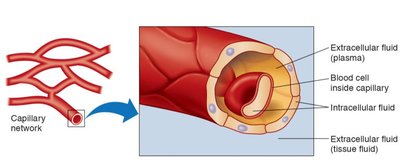
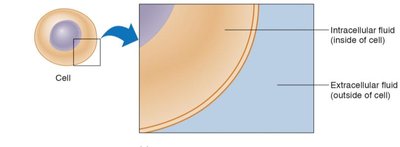
Intracellular Fluid (ICF): Fluid found within cells (cytosol).
Extracellular Fluid (ECF): Fluid found outside cells, further divided into:
Interstitial Fluid: Fluid surrounding cells in tissues.
Intravascular Fluid (Plasma): Fluid within blood vessels and lymph.
Variation in Fluid Composition
The amount and distribution of body fluid varies based on tissue type, gender, and age:
Tissue Type: Lean muscle contains about 70% fluid, while adipose tissue contains only 10–20%.
Gender: Males typically have more lean muscle and thus more body fluid; females have more body fat due to reproductive hormones.
Age: Lean muscle mass decreases with age, reducing total body fluid.
Body Fluid Composition
Body fluids are composed of:
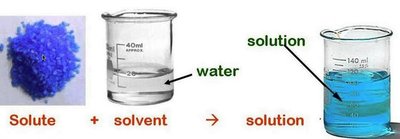
Water (H2O): Essential for life, but cells require more than just water to function.
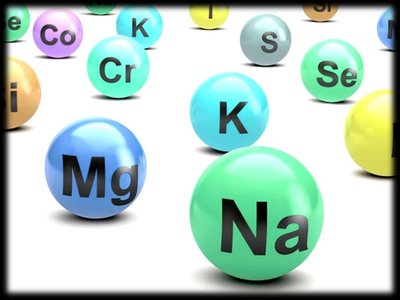
Solutes: Dissolved substances such as sodium, potassium, chloride, phosphorus, calcium, and magnesium, all of which are essential for physiological processes.
Electrolytes: Definition and Function
What Are Electrolytes?
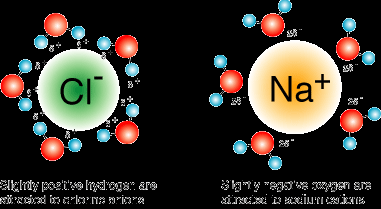
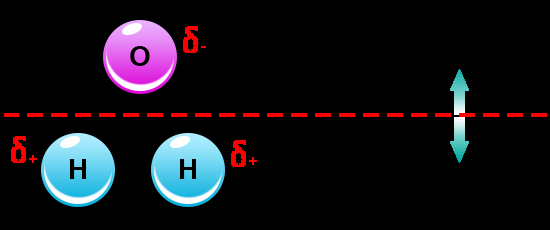
Electrolytes are minerals that carry an electrical charge when dissolved in water. Water, as a universal solvent, dissolves mineral salts (e.g., NaCl, KCl) into ions:
Sodium (Na+)
Chloride (Cl-)
Potassium (K+)
Contributions of Water and Electrolytes to Human Functioning
Water and electrolytes are critical for:
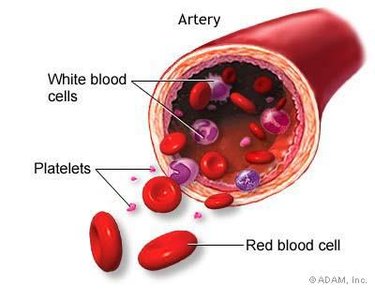
Transporting nutrients, gases, waste, and hormones in blood plasma (which is 55% of whole blood).
Maintaining blood volume and pressure, which affects cardiovascular health.
Regulating body temperature through high specific heat capacity and sweat evaporation.
Providing lubrication and protection for joints, eyes, brain, spinal cord, fetus, and lungs.
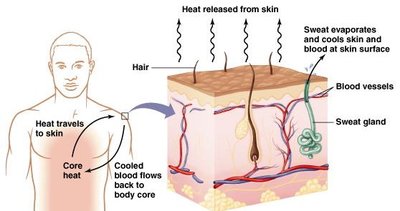
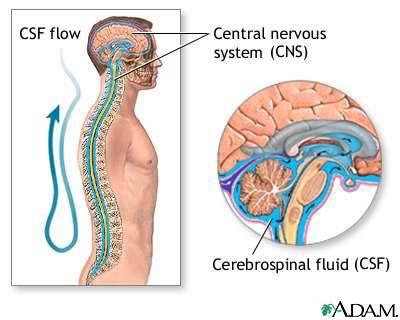
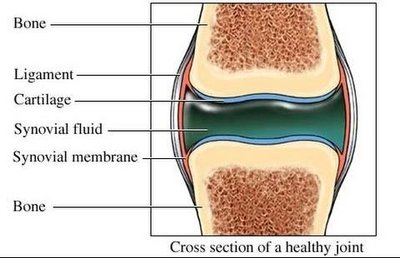
Electrolytes and Fluid Balance
Electrolytes as Conductors
Electrolytes are solutes that carry a charge and can conduct electrical impulses in the body. Key electrolytes include Na+, Ca2+, Cl-, K+, and HPO42-.
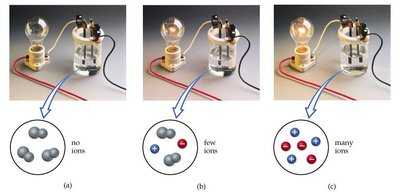
Osmosis and Fluid Regulation
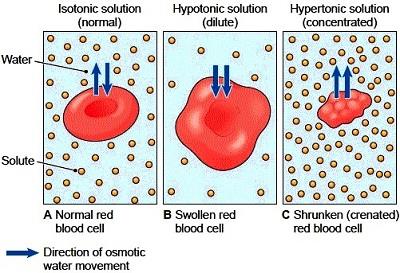
Electrolytes attract water molecules, causing water to move via osmosis toward areas of higher solute concentration. This process is essential for maintaining fluid balance across cell membranes.
Electrolytes in Nerve Impulse Conduction
Electrolytes are vital for nerve function:
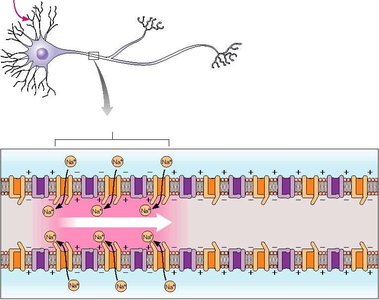
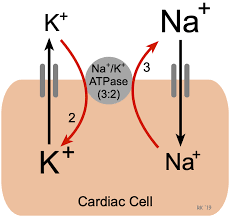
Depolarization: Influx of Na+ into the cell makes the cell less negative, triggering an action potential if the threshold is reached.
Repolarization: Outflow of K+ restores the cell's resting state.
Electrolytes in Muscle Contraction
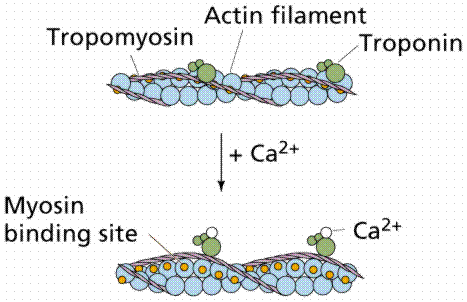
Action potentials trigger the release of Ca2+ ions from the endoplasmic reticulum in muscle cells, enabling muscle contraction.
Fluid Balance Regulation
Thirst Mechanism and Hormonal Regulation
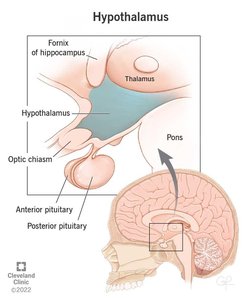
The hypothalamus regulates thirst by detecting changes in fluid balance and solute concentration. Mechanisms include:
Tissue Dryness: Reduced saliva production signals the need for fluid intake.
Osmoreceptors: Detect changes in extracellular tonicity, stimulating thirst and release of antidiuretic hormone (ADH) to reduce water loss via kidneys.
Baroreceptors: Detect decreased extracellular fluid, triggering the renin-angiotensin system to conserve water and sodium, and constrict blood vessels to maintain blood pressure.
Fluid Gains and Losses
Fluid balance is maintained by matching intake and output:
Fluid Gains: From beverages (60%), food (30%), and metabolic water (10%).
Fluid Losses: Through urine (60%), sweating (5%), feces (5%), and insensible losses (30%) such as evaporation from skin and lungs.
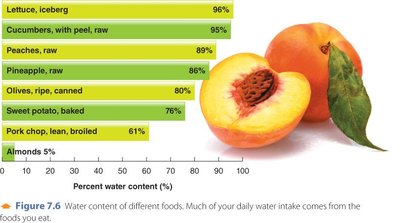
Dietary Reference Intakes (DRIs) for Water
Men (19–50 years): 3.7 L/day (about 13 cups as beverages)
Women (19–50 years): 2.7 L/day (about 9 cups as beverages)
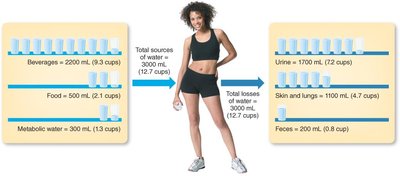
Factors Increasing Fluid Requirements
Environmental: Physical activity, hot/cold climate, altitude
Dietary: Alcohol, high protein, high fiber intake
Pathophysiologic: Diarrhea, diabetes insipidus, SIADH, adrenal insufficiency, uremia
Major Electrolytes: Functions and Recommendations
Sodium (Na+)
Sodium is the major positively charged electrolyte in extracellular fluid. It is essential for:
Regulating fluid balance, blood pressure, and acid-base balance
Nerve transmission and muscle contraction
Absorption and transport of nutrients
Recommended Intake: AI = 1.5 g/day (1500 mg); UL = 2.3 g/day (2300 mg)
Most individuals exceed the UL, increasing risk for hypertension.
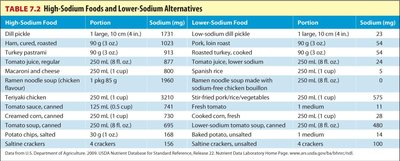
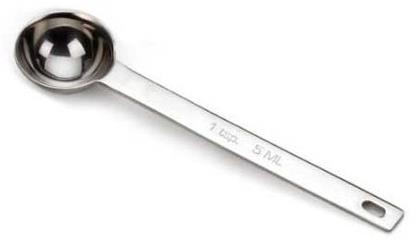
Toxicity (Hypernatremia): High blood sodium, increased blood volume and pressure; risk for those with kidney or heart disease.
Deficiency (Hyponatremia): Low blood sodium, causing headaches, dizziness, nausea, and vomiting.
Potassium (K+)
Potassium is the major positively charged electrolyte in intracellular fluid. It is crucial for:
Maintaining fluid and pH balance
Conducting electrical impulses (heartbeat regulation)
Lowering blood pressure by promoting sodium excretion
Muscle contraction and acting as a blood buffer
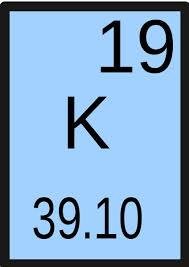
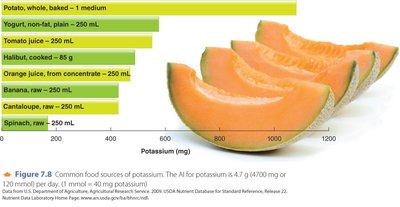
Recommended Intake: AI = 4.7 g/day (4700 mg)
Most people do not meet the AI, especially children and adult females.
Toxicity (Hyperkalemia): High blood potassium, risk of heart attack and death (especially in kidney disease).
Deficiency (Hypokalemia): Low blood potassium, associated with kidney disease, diabetes, or diuretic use.
Chloride (Cl-)
Chloride is mainly found in extracellular fluid, often bound to sodium as NaCl. Functions include:
Maintaining fluid balance
Assisting white blood cells in immune response
Contributing to stomach acid (HCl) for digestion
Helping remove CO2 from blood
Recommended Intake: AI = 2.3 g/day (2300 mg)
Natural sources: seaweed, tomatoes, olives, lettuce, celery, rye
Phosphorus (P)
Phosphorus is a major intracellular negatively charged electrolyte. It is required for:
Fluid balance
Bone formation (with calcium)
ATP production (energy metabolism)
DNA and RNA synthesis
Component of cell membranes (phospholipids)
Recommended Intake: RDA = 700 mg/day
Sources: Protein-rich foods (nuts, soy, meat, eggs)
Summary Table: Major Electrolytes
Electrolyte | Main Location | Key Functions | AI/RDA | Major Food Sources |
|---|---|---|---|---|
Sodium (Na+) | Extracellular fluid | Fluid balance, nerve/muscle function, nutrient absorption | 1.5 g/day (AI) | Processed foods, table salt |
Potassium (K+) | Intracellular fluid | Fluid/pH balance, nerve/muscle function, blood pressure | 4.7 g/day (AI) | Fruits, vegetables, dairy |
Chloride (Cl-) | Extracellular fluid | Fluid balance, digestion, immune function | 2.3 g/day (AI) | Table salt, vegetables |
Phosphorus (P) | Intracellular fluid | Bone formation, energy metabolism, DNA/RNA synthesis | 700 mg/day (RDA) | Protein-rich foods |
Additional info: This guide expands on the physiological mechanisms and dietary recommendations for fluid and electrolyte balance, integrating textbook-level context for exam preparation.
