 뒤로
뒤로Nutrition and Society: Food Politics, Food Systems, and Global Diets
스터디 가이드 - 스마트 노트
 자료에 맞춘 맞춤형 노트, 핵심 정의, 예시, 맥락을 확장해 제공합니다.
Nutrition and Society: Food Politics and Perspectives
The Food Industry
The food industry is a complex network that encompasses all aspects of food production, from crop cultivation to food processing, marketing, distribution, and regulation. It plays a central role in shaping dietary patterns and food availability in modern societies.
Crop cultivation and manufacturing are the starting points of the food system, providing raw ingredients for further processing.
Food processing transforms raw ingredients into packaged foods, increasing shelf life and facilitating distribution but sometimes reducing nutritional value.
Marketing and advertising influence consumer choices and food trends.
The fast food industry supplies a significant portion of the American diet, often with foods low in nutritional merit.

The Food System
The food system is a network that includes farmers, processors, distributors, retailers, and supporting technologies. It is responsible for moving food from farm to table and is influenced by technological, environmental, and regulatory factors.
Food preservation methods, such as canning and irradiation, protect consumers from harmful pathogens and extend shelf life.
Food additives (e.g., benzoates, nitrites, sulfites, sorbates) are used to stabilize, preserve, and enhance the texture of foods. While they prevent spoilage and foodborne illness, some additives are linked to health concerns in sensitive individuals.
Genetically modified foods (GMOs) are engineered for pest resistance, improved yield, or enhanced nutrition. While they benefit productivity, concerns exist regarding allergenicity, gene transfer, and environmental impact.
Enrichment restores nutrients lost during processing (e.g., adding iodine to salt), while fortification adds new nutrients to foods (e.g., calcium in orange juice). These practices help address nutrient deficiencies but may also be used to market less nutritious foods.
Table: Common Food Additives and Their Purposes
Additive | Purpose | Example Foods |
|---|---|---|
Benzoates | Preservative | Soft drinks, fruit juices |
Nitrites | Preserve color, prevent bacterial growth | Processed meats |
Sulfites | Prevent browning, preserve freshness | Dried fruits, wine |
Sorbates | Prevent mold and yeast growth | Cheese, baked goods |
Environmental and Societal Impacts
Climate change, resource depletion, and technological advances are reshaping the food system. Sustainable practices and innovations such as biofortification and green energy are increasingly important for future food security.
Food Regulation
Three key U.S. government agencies regulate food safety and quality:
U.S. Department of Agriculture (USDA)
U.S. Food and Drug Administration (FDA)
U.S. Environmental Protection Agency (EPA)
The Politics of Food
Food Politics
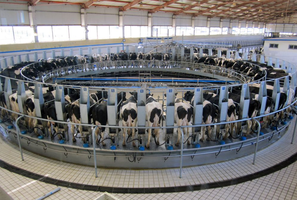
Food production and distribution are deeply political, involving a wide range of stakeholders and policy debates. Food choices are influenced by economic, cultural, and regulatory factors.
Stakeholders include farmers, food companies, restaurants, distributors, retailers, consumers, advocacy groups, and government agencies.
Key disputes involve GMOs, food additives, factory farming, pesticide use, antibiotics in livestock, and the marketing of unhealthy foods.
Food Policy and Legislation
The Food Safety Modernization Act (FSMA) enhances FDA authority to improve food safety.
The Farm Bill determines U.S. agricultural and food policy, impacting everything from subsidies to nutrition programs.
Recent initiatives focus on digital traceability and smarter food safety systems.
Sustainable Agriculture and Eating
Sustainable practices aim to provide nutritious food while preserving resources for future generations. Benefits include reduced exposure to pesticides and antibiotics, and support for local economies.
Consume less processed food
Eat more homecooked meals
Favor plant-based diets
Buy organic and locally grown foods when possible
The Issues of Food Insecurity
Food Security and Insecurity
Food security is defined as continual access to sufficient, safe, and nutritious food for an active, healthy life. Food insecurity occurs when access is limited by lack of resources, affecting millions in the U.S. and globally.
Food-insecure households may rely on less nutritious foods or government assistance programs.
Malnutrition can result from deficiencies in macronutrients (e.g., protein) or micronutrients (e.g., vitamins, minerals).
Populations at Risk
People in poverty (rural and urban)
Victims of disasters
Low-income families, the unemployed, older adults, unhoused persons, and children
Government and Community Assistance Programs
Healthy, Hunger-Free Kids Act of 2010: Supports core programs for food-insecure children
USDA Food Assistance Programs: Includes SNAP, WIC, National School Lunch Program, Child and Adult Care Food Program, and Head Start
Local charities: Food banks, pantries, soup kitchens, and nonprofit organizations
Diets Around the World
Regional Dietary Patterns
Dietary habits are shaped by local taste preferences, food availability, culture, and economics. Understanding global diets highlights the diversity of nutrition practices and the influence of environment and tradition.
United States and Canada
Diverse cuisine influenced by many cultures
Breakfasts are often quick and easy (cereal, toast, eggs, pancakes)
Mexico, Central, and South America
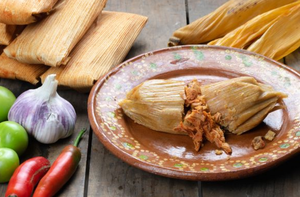
Staples: Rice, corn, quinoa, tortillas, tamales
Common foods: Avocados, yucca, peppers, potatoes, mangoes, papayas
Breakfast: Huevos rancheros, pan dulce, chorizo, coffee, hot chocolate
Europe
Staples: Potatoes, wheat, dairy
Italy: Pasta, pizza, risotto
France: Quiche, fondue, baguettes
Spain: Paella, rice dishes
Bread and coffee are common for breakfast
Africa
Ethiopia: Dishes with local herbs and spices, vegetarian traditions
Central and West Africa: Cassava, plantains, peanuts, chili peppers
Breakfasts influenced by colonial heritage

Asia
Rice is a staple across the continent
India: Vegetarian diets, rice, lentils, vegetables
China: Eight cuisine regions, rice, tofu, ginger, garlic, tea
Korea: Rice, vegetables, meat, kimchi
Japan: Rice and seafood
Middle East: Lamb, baba ghanoush, pita, hummus, congee for breakfast
The Diversity of Palates and Habits
People tend to eat what is locally available. Income and economic development influence dietary diversity and quality. Homecooked family meals are associated with better nutrition, stronger family bonds, and positive developmental outcomes for children.
Key Takeaways
The food industry and system are complex, involving production, processing, marketing, and regulation.
Food politics and policy shape what is produced, how it is marketed, and what is available to consumers.
Food insecurity remains a significant issue, addressed by government and community programs.
Global diets are diverse, reflecting local resources, culture, and economics. Family meals and homecooked food offer nutritional and social benefits.
