 뒤로
뒤로Nutrition Through the Life Cycle: Pregnancy, Infancy, and Toddler Years
스터디 가이드 - 스마트 노트
 자료에 맞춘 맞춤형 노트, 핵심 정의, 예시, 맥락을 확장해 제공합니다.
Nutrition Through the Life Cycle: From Pregnancy to the Toddler Years
The Human Life Cycle
The human life cycle consists of distinct stages, each characterized by unique physiological and nutritional needs. Understanding these stages is essential for providing appropriate nutrition and supporting optimal growth and development.
Prenatal: Development from fertilized egg (zygote) to embryo and then fetus.
Infancy: Birth through age one year; rapid growth and development.
Toddler Years: Ages one to three; increased independence and physical activity.
Childhood: Ages four to nine; continued growth.
Puberty: Ages ten to thirteen; onset of adolescence.
Older Adolescence: Ages fourteen to eighteen.
Adulthood: Begins after age eighteen.
Middle Age: Ages forty to sixty-five.
Older Adults: Age sixty-five and beyond.
Proper nutrition and exercise are vital at every stage to promote health and wellness.
Prenatal Development
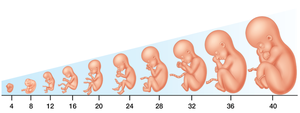
Prenatal development is divided into three trimesters, each with specific nutritional requirements to support the growth of the embryo and fetus.
First Trimester: Weeks 1–12; formation of major organs.
Second Trimester: Weeks 13–27; rapid growth and development.
Third Trimester: Weeks 28–birth; maturation and preparation for birth.
Zygote: Fertilized ovum.
Embryo: From zygote division to tenth week.
Fetus: From tenth week to birth.
Infancy
Infancy is marked by rapid physical and cognitive development. Nutritional needs are high to support growth, brain development, and achievement of developmental milestones.
Trunk grows faster than limbs; head becomes less prominent.
Fontanels (soft spots) allow for rapid brain growth.
Milestones: sitting up, walking, teething, vocalizing.

Toddler Years
During the toddler years, children experience increased independence and physical activity. Bone density increases, and developmental milestones include running, drawing, toilet training, and self-feeding.
Limbs grow faster than trunk; body becomes more proportionate.
Ossification: bone tissue replaces cartilage.
Milestones: running, drawing, toilet training, self-feeding.

Pregnancy and Nutrition
Weight Gain During Pregnancy
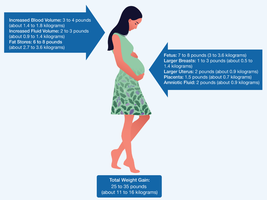
Appropriate weight gain during pregnancy is crucial for fetal health. Insufficient weight gain increases the risk of low birth weight and complications, while excessive weight gain may indicate edema.
First trimester: minimal weight gain (1–4 pounds).
Second trimester: about 1 pound per week.
Third trimester: continued weight gain; monitor for edema.
Nutritional Requirements During Pregnancy
Pregnant women require increased calories and nutrients, especially in the second and third trimesters. A high-quality, diverse diet and prenatal supplements are recommended.
Energy: +340 calories/day (second trimester), +450 calories/day (third trimester).
Carbohydrates: 175 grams/day.
Protein: 71 grams/day (25 grams above normal).
Fat: Follow normal dietary guidelines.
Fiber: 28 grams/day.
Fluids: 3 liters/day (about 12.5 cups).
Vitamins and Minerals: Increased need for vitamin D, calcium, phosphorus, magnesium, and B vitamins.

Guide to Eating During Pregnancy
Pregnant women should prioritize nutrient-dense foods, iron-rich and vitamin C–rich foods, and a well-balanced diet. Avoid alcohol, limit caffeine, and follow food safety practices to prevent foodborne illness.
Eat iron-rich foods to prevent anemia.
Include vitamin C–rich foods to enhance iron absorption.
Consume fruits, vegetables, whole grains, calcium-rich foods, lean meats, and safe seafood.
Drink additional fluids, especially water.
Practice food safety: avoid high-risk foods, rinse produce, separate cooked and raw foods, refrigerate promptly.
Physical Activity During Pregnancy
Physical activity during pregnancy benefits both parent and fetus, promoting fitness and reducing risks. Avoid activities with high injury risk or extreme conditions.
Promotes cardiorespiratory fitness.
Reduces risk of gestational diabetes.
Facilitates postpartum weight loss.
Avoid contact sports, extreme heat, and scuba diving.

Common Discomforts and Complications During Pregnancy
Pregnancy can cause discomforts such as constipation, heartburn, leg cramps, nausea, and food aversions. Complications include gestational hypertension, preeclampsia, and gestational diabetes.
Gestational hypertension: High blood pressure in second half of pregnancy.
Preeclampsia: High blood pressure and protein in urine.
Gestational diabetes: Glucose intolerance during pregnancy.
Infancy and Nutrition
Nutritional Requirements During Infancy
Infants require higher macronutrient and micronutrient intake per kilogram than any other life stage. Breast milk is the ideal source for most infants up to six months.
Frequent feedings (8–12 times/day).
After six months, gradual introduction of solid foods.
Energy needs are high relative to body size.
Breast milk composition: 45–50% carbohydrates, 5–20% protein, 30–50% fat.
Vitamin D and K supplementation may be needed.
Fluid needs: 1.5 mL per kilocalorie consumed.
Breastfeeding and Lactation
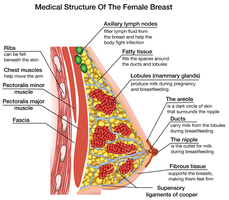
Lactation is the process of producing and secreting breast milk. Breastfeeding provides optimal nutrition and immunological benefits for infants.
Parents require additional calories: +330 Calories (first 6 months), +400 Calories (second 6 months).
Colostrum: produced immediately after birth, rich in immunoglobulins and nutrients.
Transitional milk: lasts about two weeks, high in fat, lactose, and vitamins.
Mature milk: foremilk (water, vitamins, protein), hindmilk (higher fat).
Benefits of Breastfeeding
Boosts infant immune system.
Reduces risk of allergies, asthma, type 1 diabetes, and sudden infant death syndrome.
Encourages healthy gut bacteria.
Promotes bonding and is sustainable.
Reduces parent’s risk of breast and ovarian cancers, type 2 diabetes, and high blood pressure.
Barriers to Breastfeeding
Lack of hospital, family, or workplace support.
Painful engorgement, sore nipples.
Not recommended for parents undergoing cancer treatment or infants with certain genetic conditions.
Bottle Feeding and Infant Formula
Infant formula is a healthy alternative when breastfeeding is not possible. It comes in powder, concentrate, and ready-to-use forms, each with varying convenience and cost.
Powder: least expensive, requires mixing.
Concentrate: liquid, requires dilution.
Ready-to-use: most expensive, convenient for travel.
Introducing Solid Foods
Solid foods are introduced gradually after six months. Caregivers should offer one new food at a time to monitor for allergies and ensure safe texture and size to prevent choking.
Pureed or spoon-fed foods.
Hand grasp develops at 6–7 months; utensil use after age one.
Use unbreakable dishes and cups.
Feeding Problems During Infancy
Infants may experience feeding problems such as choking, overnutrition, food allergies, early childhood caries, gastroesophageal reflux, diarrhea, constipation, colic, and jaundice.
Failure-to-thrive (FTT): Inadequate growth or weight gain.
Early childhood caries: Tooth decay in primary teeth.
Jaundice: Yellowing of skin/eyes due to inefficient bilirubin removal.
Types: physiologic, breast-milk, breastfeeding jaundice.
Nutrition in the Toddler Years
Nutritional Requirements for Toddlers
Toddlers require balanced nutrition to support growth, activity, and development. Energy needs are lower than infancy but still significant.
Energy: 1,000–1,400 calories/day (ages 2–3).
Carbohydrates: 45–65% of daily calories.
Protein: 5–20% of daily calories.
Fat: 30–40% of daily calories.
Micronutrient demands increase as child grows.
Learning How to Handle Food
Toddlers develop self-feeding skills and require foods and utensils suited to their abilities. Caregivers should provide small servings, appropriate utensils, and safe seating.
Small utensils and cups.
Plates with edges.
High chairs or booster seats.
Feeding Problems in the Toddler Years
Common feeding problems include choking, picky eating, food jags (repetitive eating), dental caries, iron deficiency anemia, and toddler diarrhea.
Food jag: Insistence on eating the same foods repeatedly.
Iron deficiency anemia: Risk increases with poor diet.
Developing Habits
Eating habits and preferences are established early in life. Caregivers play a crucial role in helping children develop healthy habits, appropriate mealtime behavior, and balanced nutrition.
Division of responsibility in feeding.
Healthy growth and mealtime behavior.
Early food choices impact long-term health.
