 뒤로
뒤로Proteins: Structure, Digestion, Metabolism, and Health in Human Nutrition
스터디 가이드 - 스마트 노트
 자료에 맞춘 맞춤형 노트, 핵심 정의, 예시, 맥락을 확장해 제공합니다.
Proteins and Amino Acids
Introduction to Proteins
Proteins are essential macromolecules composed of amino acids, which play critical roles in the structure and function of all living cells. They are involved in numerous physiological processes, including tissue building, enzyme catalysis, and immune defense.
Proteins are polymers made from amino acid monomers linked by peptide bonds.
They are required for growth, repair, and maintenance of body tissues.
Proteins are found in both animal and plant foods, with varying quality and amino acid composition.
Protein Structure
Amino Acid Structure
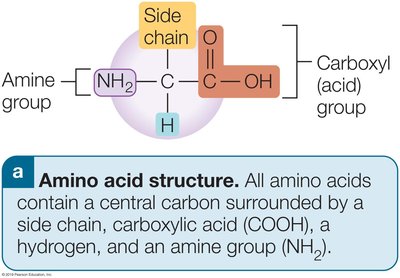
Amino acids are the building blocks of proteins. Each amino acid contains a central carbon atom bonded to an amino group, a carboxyl group, a hydrogen atom, and a unique side chain (R group).
Amino group (-NH2)
Carboxyl (acid) group (-COOH)
Hydrogen atom
Side chain (R group) – determines the identity and properties of the amino acid
Examples of Amino Acids
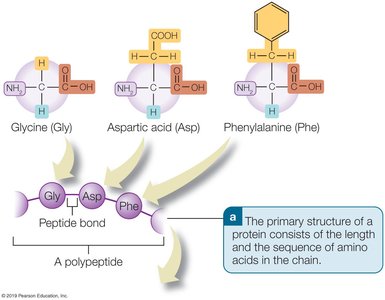
All amino acids share the same basic structure but differ in their side chains, which confer unique chemical properties.
Glycine – simplest amino acid with a hydrogen side chain
Aspartic acid – acidic side chain
Phenylalanine – aromatic side chain
Levels of Protein Structure
Proteins have four levels of structure, each contributing to their function:
Primary structure: Linear sequence of amino acids in a polypeptide chain, determined by genetic code.
Secondary structure: Local folding into alpha helices and beta sheets stabilized by hydrogen bonds.
Tertiary structure: Three-dimensional folding driven by interactions among side chains (hydrophobic, ionic, covalent bonds).
Quaternary structure: Association of two or more polypeptide chains (e.g., hemoglobin).
Denaturation of Proteins
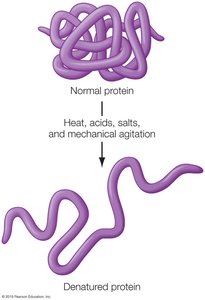
Denaturation is the process by which proteins lose their native structure due to external stress such as heat, acid, or agitation, resulting in loss of function.
Denatured proteins cannot perform their biological roles.
Types of Amino Acids
Essential, Nonessential, and Conditionally Essential Amino Acids
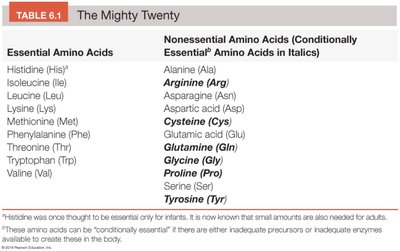
There are 20 amino acids used to build proteins in the human body:
Essential amino acids (9): Must be obtained from the diet because the body cannot synthesize them.
Nonessential amino acids (11): Can be synthesized by the body from other compounds.
Conditionally essential amino acids: Normally nonessential, but become essential under certain conditions (e.g., illness, metabolic disorders).
Essential Amino Acids | Nonessential Amino Acids (Conditionally Essential in Italics) |
|---|---|
Histidine (His) Isoleucine (Ile) Leucine (Leu) Lysine (Lys) Methionine (Met) Phenylalanine (Phe) Threonine (Thr) Tryptophan (Trp) Valine (Val) | Alanine (Ala) Arginine (Arg) Asparagine (Asn) Aspartic acid (Asp) Cysteine (Cys) Glutamic acid (Glu) Glutamine (Gln) Glycine (Gly) Proline (Pro) Serine (Ser) Tyrosine (Tyr) |
Protein Digestion and Absorption
Protein Digestion in the GI Tract
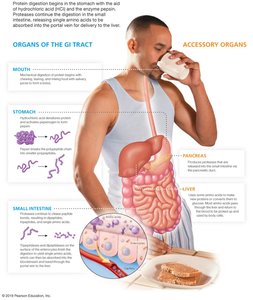
Protein digestion begins in the stomach and continues in the small intestine:
Mouth: Mechanical digestion only; no protein-digesting enzymes.
Stomach: Hydrochloric acid denatures proteins and activates pepsin, which breaks proteins into polypeptides.
Small intestine: Pancreatic and intestinal enzymes (proteases and peptidases) further break down polypeptides into amino acids and small peptides for absorption.
Protein Absorption
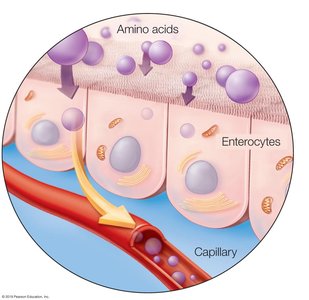
Amino acids are absorbed into intestinal cells (enterocytes) and then transported to the liver via the bloodstream.
Within enterocytes, amino acids may be used for protein synthesis or released into the blood for distribution to other tissues.
Protein Metabolism
Protein Turnover and the Amino Acid Pool
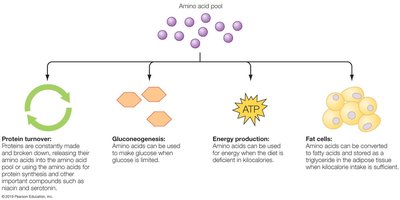
Protein turnover refers to the continuous breakdown and synthesis of proteins in the body. The amino acid pool consists of free amino acids available for new protein synthesis or energy production.
Positive nitrogen balance: Protein synthesis exceeds breakdown (e.g., growth, pregnancy).
Negative nitrogen balance: Protein breakdown exceeds synthesis (e.g., illness, starvation).
Deamination and Urea Formation
Deamination is the removal of the amino group from amino acids, producing ammonia (NH3) and a keto acid. The liver converts toxic ammonia to urea, which is excreted by the kidneys.
Deamination is necessary for amino acids to be used for energy or converted to glucose or fat.
Urea production increases with high protein intake and requires water for excretion.
Transamination
Transamination is the transfer of an amino group from one amino acid to a keto acid, forming a new amino acid. This process is essential for the synthesis of nonessential amino acids.
Protein Synthesis
Gene Expression and Protein Synthesis
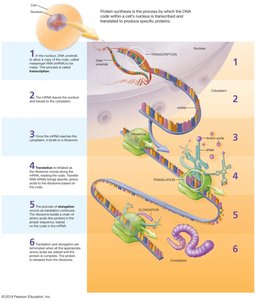
Protein synthesis is a tightly regulated process involving transcription (DNA to mRNA) and translation (mRNA to protein) in the cell.
Transcription: DNA is transcribed into messenger RNA (mRNA) in the nucleus.
Translation: mRNA is translated by ribosomes in the cytoplasm, where transfer RNA (tRNA) brings amino acids to build the protein chain.
Functions of Proteins in the Body
Structural Roles
Proteins provide structure and support to cells and tissues.
Collagen: Main protein in connective tissues, bones, and skin.
Keratin: Structural protein in hair, nails, and skin.
Enzymes
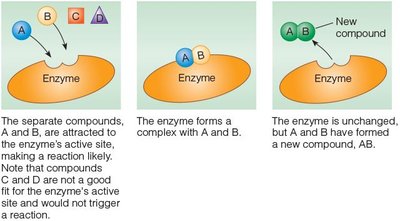
Enzymes are proteins that catalyze biochemical reactions, increasing reaction rates without being consumed.
Each enzyme is specific to its substrate and reaction.
Hormones
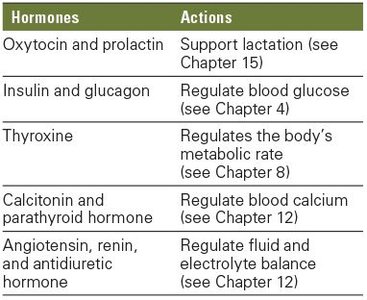
Some hormones are proteins that regulate physiological processes by acting as chemical messengers.
Examples: Insulin, glucagon, oxytocin, prolactin.
Hormones | Actions |
|---|---|
Oxytocin and prolactin | Support lactation |
Insulin and glucagon | Regulate blood glucose |
Thyroxine | Regulates metabolic rate |
Calcitonin and parathyroid hormone | Regulate blood calcium |
Angiotensin, renin, antidiuretic hormone | Regulate fluid and electrolyte balance |
Regulators of Fluid and Acid-Base Balance
Proteins help maintain fluid balance by keeping water in blood vessels and tissues. They also act as buffers to regulate pH.
Albumin: Maintains oncotic pressure in blood vessels.
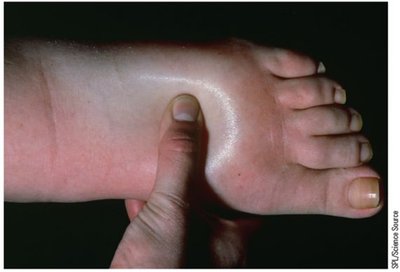
Loss of plasma proteins can cause edema (fluid accumulation in tissues).
Transporters
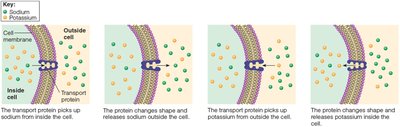
Proteins transport substances across cell membranes and in the blood.
Lipoproteins: Transport lipids in the blood.
Hemoglobin: Transports oxygen in red blood cells.
Sodium-potassium pump: Maintains cellular ion gradients.
Antibodies
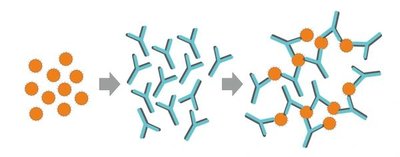
Antibodies are proteins produced by the immune system to recognize and neutralize foreign invaders (antigens).
Each antibody is specific to a particular antigen.
Protein Quality and Dietary Recommendations
Protein Quality
Protein quality is determined by the presence and proportion of essential amino acids.
High-quality proteins: Contain all essential amino acids in adequate amounts (e.g., animal proteins, soy).
Low-quality proteins: Lack one or more essential amino acids (e.g., most plant proteins).
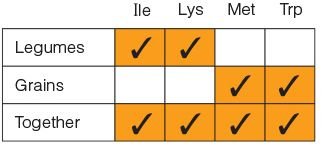
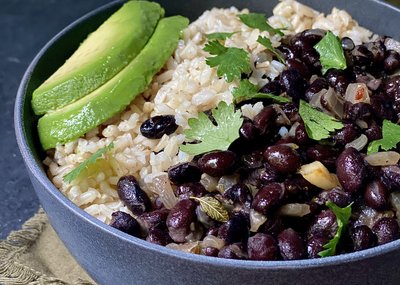
Complementary proteins: Combining different plant proteins (e.g., legumes and grains) can provide all essential amino acids.
Recommended Protein Intake
RDA for adults: 1.2–1.6 g protein/kg body weight/day (increased from previous 0.8 g/kg/day).
AMDR: 10–35% of total daily calories from protein.
Athletes may require higher intake (1.6–2.2 g/kg/day).
Example calculation: For a 150 lb (68 kg) adult: 68 kg × 1.2 g/kg = 81 g protein/day.
Health Effects of Protein
Protein Deficiency
Rare in developed countries but can cause slowed growth, impaired brain and kidney function, and weakened immunity.
Excess Protein
No established upper limit (UL), but excessive intake from animal sources may increase risk of heart disease and certain cancers.
High protein intake increases urea production, requiring adequate hydration for excretion.
Protein and Amino Acid Supplements
Whey protein: High-quality, rapidly digested, supports muscle protein synthesis post-exercise.
Amino acid supplements: May pose risks due to abnormal ratios and concentrations; not recommended for general use.
Lysine: May help suppress herpes virus; safe up to 6 g/day.
Tryptophan: May aid sleep and mood but can interact with medications (SSRIs).
