 뒤로
뒤로Vitamins: Functions, Sources, and Health Implications
스터디 가이드 - 스마트 노트
 자료에 맞춘 맞춤형 노트, 핵심 정의, 예시, 맥락을 확장해 제공합니다.
Vitamins: Essential Nutrients for Health
Definition and General Properties
Vitamins are essential nutrients required in small amounts for various physiological functions. They are organic compounds that do not provide energy but are crucial for metabolism, growth, and maintenance of health. Deficiency or excess intake can lead to adverse health effects.
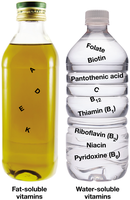
Fat-soluble vitamins: Vitamins A, D, E, and K; absorbed with dietary fat and stored in the body.
Water-soluble vitamins: B vitamins and vitamin C; absorbed with water, not stored in significant amounts, excess excreted in urine.
Absorption and Bioavailability
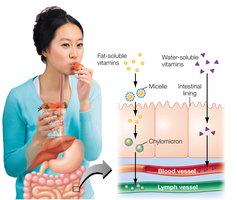
The absorption of vitamins depends on their solubility. Fat-soluble vitamins require dietary fat for absorption and are transported via the lymphatic system, while water-soluble vitamins are absorbed directly into the bloodstream. Bioavailability refers to the proportion of a nutrient that is absorbed and utilized by the body.
Preservation of Vitamins in Food
Vitamins can be destroyed by exposure to air, water, or heat.
To preserve vitamins: store produce in airtight containers, cook with minimal water, reduce cooking time, and keep foods cool.
Classification of Vitamins
Fat-Soluble vs. Water-Soluble Vitamins
Fat-Soluble Vitamins | Water-Soluble Vitamins |
|---|---|
A, D, E, K | B vitamins (B1, B2, B3, B6, B12, folate, pantothenic acid, biotin), C |
Stored in liver and fatty tissues | Not stored; excess excreted in urine |
Risk of toxicity with excessive intake | Risk of deficiency with inadequate intake |
Antioxidant Function of Vitamins
Role of Antioxidants
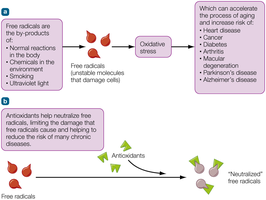
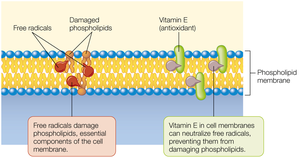
Some vitamins, such as A, C, and E, act as antioxidants. They neutralize free radicals—unstable molecules that can damage cells and contribute to chronic diseases such as heart disease, cancer, and aging.
Fat-Soluble Vitamins
Vitamin A
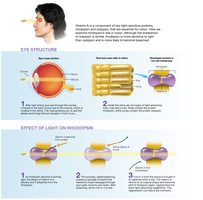
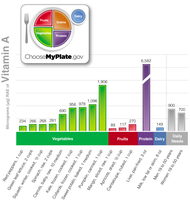
Forms: Retinoids (retinol, retinal, retinoic acid) and provitamin A carotenoids (e.g., beta-carotene). Preformed vitamin A is found in animal foods; carotenoids are found in colorful fruits and vegetables.
Functions: Essential for vision (component of rhodopsin and iodopsin), cell differentiation, immunity, reproduction, and bone growth.
Deficiency: Night blindness, xerophthalmia (permanent corneal damage), stunted bone growth.
Toxicity: Hypervitaminosis A from excess preformed vitamin A; carotenodermia from excess carotenoids (not harmful).

Vitamin E
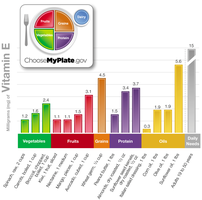
Form: Alpha-tocopherol is the most active form in the body.
Functions: Antioxidant protecting cell membranes, prevents oxidation of LDL cholesterol, acts as an anticoagulant.
Deficiency: Rare, but can cause nerve problems, muscle weakness, and cell membrane damage.
Toxicity: Rare from food; excess from supplements can increase risk of hemorrhage.
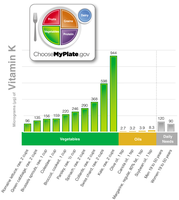
Vitamin K
Forms: Phylloquinone (plants), menaquinone (intestinal bacteria).
Functions: Essential for blood clotting (synthesizes clotting factors), bone health (enables osteocalcin to bind calcium).
Deficiency: Rare; can cause bleeding disorders, especially in those with fat malabsorption.
Toxicity: No known problems from food or supplements; important for those on anticoagulant medications to maintain consistent intake.
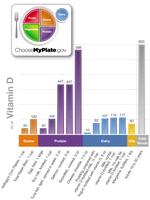
Vitamin D
Functions: Regulates calcium and phosphorus absorption, bone health, acts as a hormone, may reduce risk of some diseases.
Sources: Sunlight (skin synthesis), fortified milk, fatty fish, fortified cereals.
Deficiency: Rickets in children, osteomalacia in adults.
Toxicity: Hypervitaminosis D from supplements, leading to hypercalcemia and organ damage.
Water-Soluble Vitamins
General Properties
Not stored in the body; excess excreted in urine.
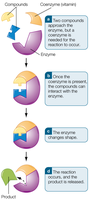
Act as coenzymes in metabolic reactions.
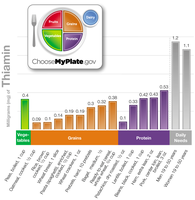
Thiamin (Vitamin B1)
Functions: Nerve impulse transmission, carbohydrate and amino acid metabolism, alcohol breakdown.
Deficiency: Beriberi (neurological and cardiovascular symptoms), Wernicke-Korsakoff syndrome (in alcoholics).
Sources: Enriched grains, pork.
Summary Table: Major Vitamins, Functions, and Sources
Vitamin | Main Functions | Key Sources | Deficiency | Toxicity |
|---|---|---|---|---|
Vitamin A | Vision, immunity, cell growth | Liver, eggs, carrots, spinach | Night blindness, xerophthalmia | Liver damage, birth defects |
Vitamin D | Calcium absorption, bone health | Sunlight, fortified milk, fish | Rickets, osteomalacia | Hypercalcemia |
Vitamin E | Antioxidant, cell membrane protection | Oils, nuts, seeds | Nerve/muscle damage | Hemorrhage (from supplements) |
Vitamin K | Blood clotting, bone health | Leafy greens, broccoli | Bleeding disorders | None known |
Thiamin (B1) | Energy metabolism, nerve function | Whole grains, pork | Beriberi | None known |
Vitamin Supplements and Fortified Foods
Role in the Diet
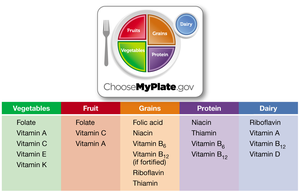
Food is the best source of vitamins; supplements may be needed for certain populations (e.g., pregnant women, elderly, strict vegetarians).
Fortified foods can help meet needs but should not replace nutrient-rich foods.
Excessive use of supplements or fortified foods can lead to toxicity.
Additional info:
Provitamins are inactive forms that the body can convert to active vitamins (e.g., beta-carotene to vitamin A).
Bioavailability can be affected by food preparation, storage, and individual health status.
