뒤로

Alcohols, Ethers, and NMR Spectroscopy: Structure, Synthesis, and Reactions

학습 가이드 - 영상으로 배우기

업로드한 자료에 맞춘 엄선된 수업 – 모든 주제를 단계별로 배워보세요.

Functional Groups

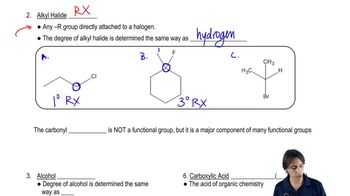
  • Assigning Degrees to Alkyl Halides
    01:30
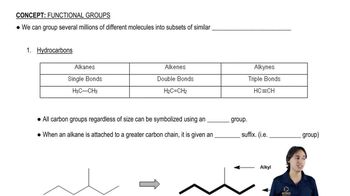
  • Why we need functional groups.
    01:49
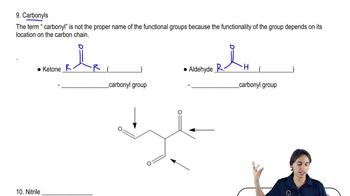
  • The difference between aldehydes and ketones.
    03:08

Alcohol Synthesis

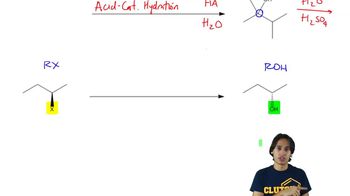
  • Forming alcohols through SN2 reactions.
    01:44
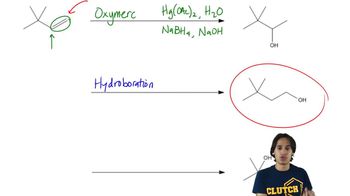
  • Forming alcohols through Acid-Catalyzed Hydration.
    02:02
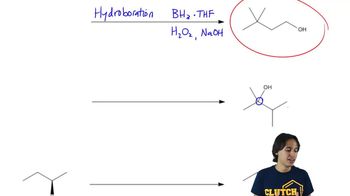
  • Forming alcohols through Hydroboration-Oxidation.
    01:37

Oxidizing and Reducing Agents

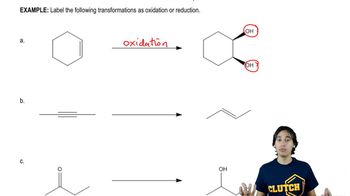
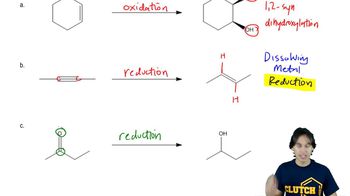
  • Distinguishing between Oxidation and Reduction
    00:54
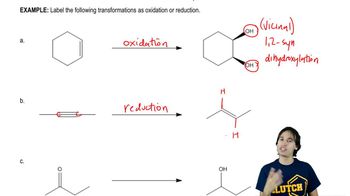
  • Distinguishing between Oxidation and Reduction
    01:18
  • Distinguishing between Oxidation and Reduction
    00:54

Organometallics on Ketones

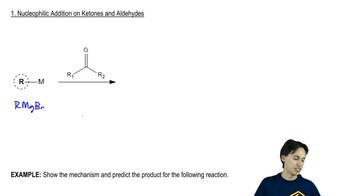
  • Nucleophilic Addition on Ketones and Aldehydes
    03:57
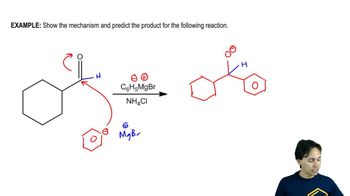
  • Organometallic on Aldehyde
    03:21

Introduction to Substitution

  • Predict the product
    05:55
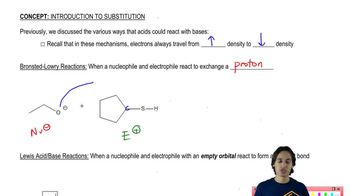
  • Nucleophiles and Electrophiles can react in Bronsted-Lowry Reactions.
    05:01
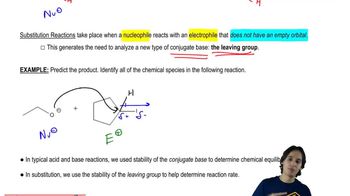
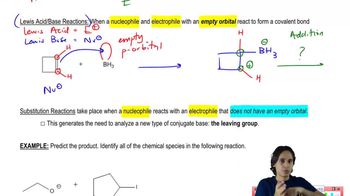
  • Nucleophiles and Electrophiles can react in Substitution Reactions.
    01:47

Carbocation Intermediates – Stability

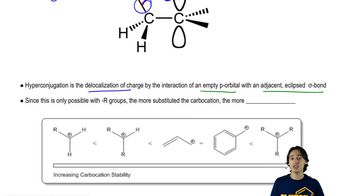
  • Determining Carbocation Stability
    05:58
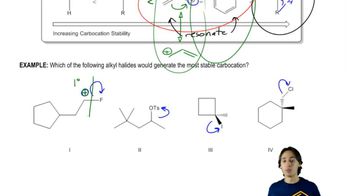
  • Predicting the most stable carbocation
    01:21

Carbocation Intermediate Rearrangements

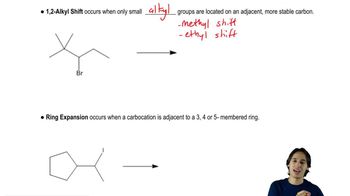
  • Alkyl Shift
    03:43
  • Understanding why carbocations shift.
    00:47
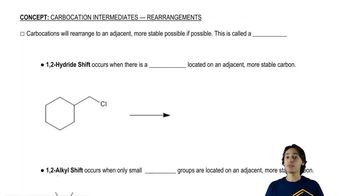
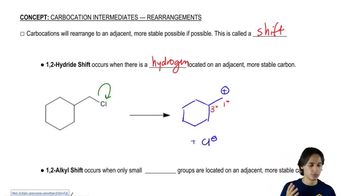
  • Hydride Shift
    03:34

Leaving Groups

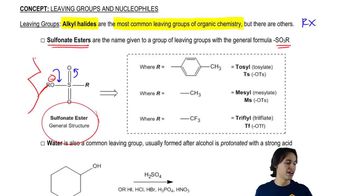
  • The 3 important leaving groups to know.
    07:22

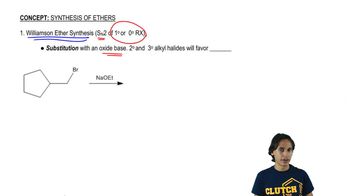
Williamson Ether Synthesis

  • The Mechanism of Williamson Ether Synthesis.
    03:50

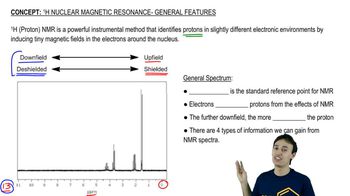
NMR Spectroscopy

  • General NMR Features
    10:06

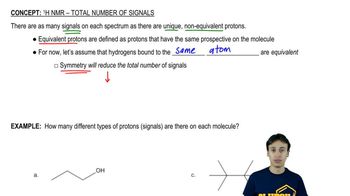
1H NMR:Number of Signals

  • General Assumption for 1H NMR Signals
    04:35
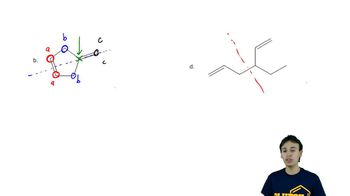
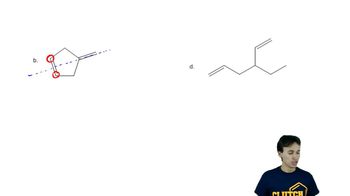
  • Identifying Proton Signals
    02:02
  • Identifying Proton Signals
    01:55

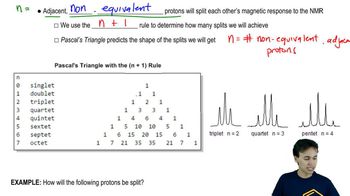
1H NMR:Spin-Splitting (N + 1) Rule

  • Splitting without J-values
    12:21
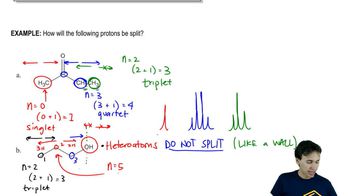
  • Proton Splitting
    03:

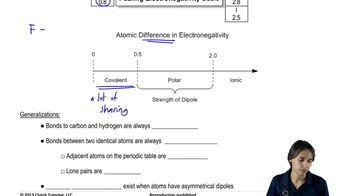
Electronegativity

  • Differences between ionic, polar and covalent bonds
    11:33