뒤로

Alkynes: Structure, Properties, Reactions, and Synthesis

학습 가이드 - 영상으로 배우기

업로드한 자료에 맞춘 엄선된 수업 – 모든 주제를 단계별로 배워보세요.

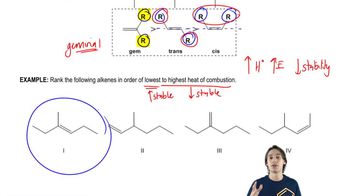
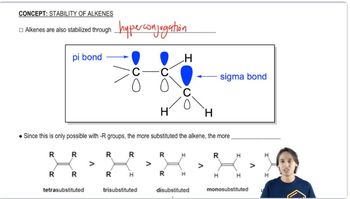
Alkene Stability

  • Heat of Combustion
    02:55
  • Understanding trends of alkene stability.
    04:28

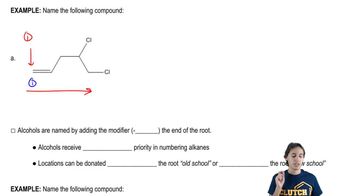
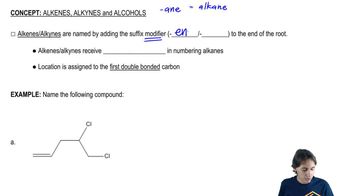
Naming Alkenes

  • Name the following alkene
    02:04
  • How to name alkenes and alkynes
    01:55
Alkyne Hydrohalogenation

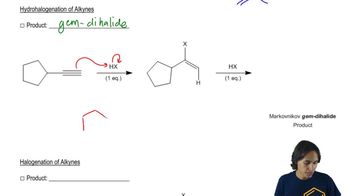
  • Double hydrohalogenation of alkynes.
    02:20
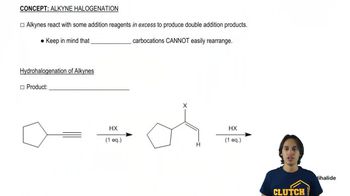
  • General properties of double addition reactions to alkynes.
    01:01

Alkyne Halogenation

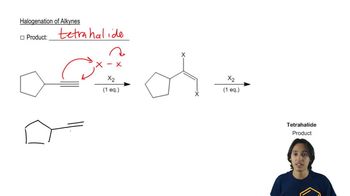
  • Double halogenation of alkynes.
    02:15

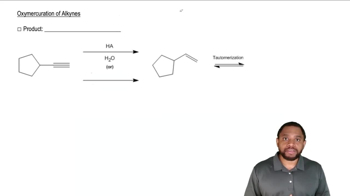
Alkyne Hydration

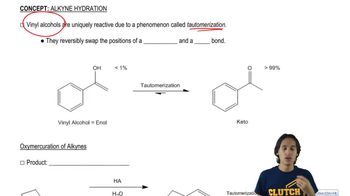
  • Vinyl alcohols yield tautomers.
    03:51
  • Markovnikov addition of alcohols yields ketones.
    03:29

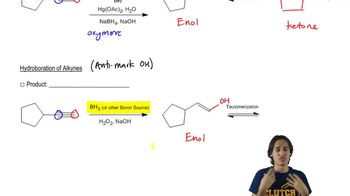
Alkyne Hydroboration

  • Anti-Markovnikov addition of alcohols to terminal alkynes yields aldehydes
    02:43

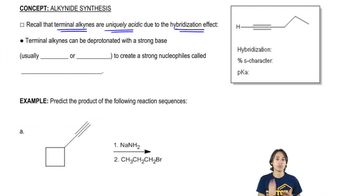
Acetylide

  • Understanding how to convert terminal alkynes to alkynides.
    04:19
  • Predict the final product of the following reaction sequence.
    02:29
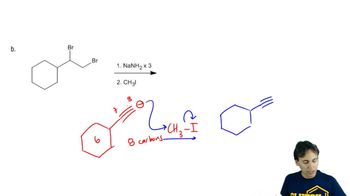
  • Using double dehydrohalogenation to perform alkynide synthesis.
    02:57

Alkynide Synthesis

  • Predict the major product.
    03:25
  • Provide the reagents needed
    04:17
  • Predict the major product.
    05:09

Organic Chemistry Reactions

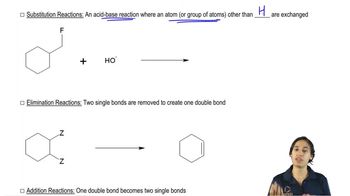
  • Recognizing Substitution Reactions.
    01:34
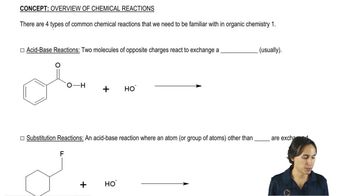
  • Recognizing Acid-Base Reactions.
    02:43
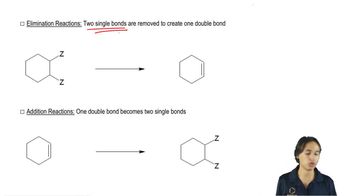
  • Recognizing Elimination Reactions.
    00:40

Reaction Mechanism

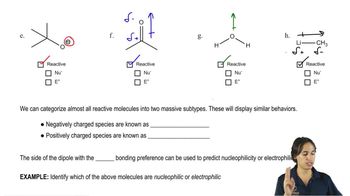
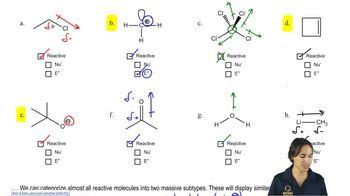
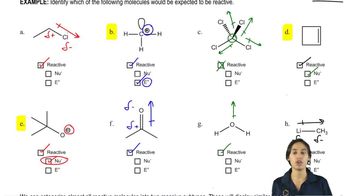
  • How to tell if charged molecules will react as nucleophiles or electrophiles.
    02:39
  • Nucleophile or Electrophile
    01:49
  • How to tell if uncharged molecules will react as nucleophiles or electrophiles.
    02:48

Markovnikov

  • Provide the mechanism
    01:26
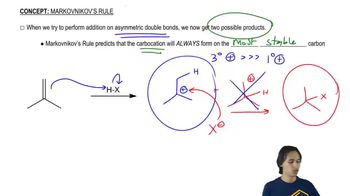
  • How to add to asymmetrical double bonds.
    03:38

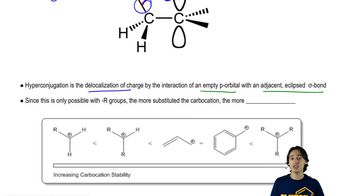
Carbocation Stability

  • Determining Carbocation Stability
    05:58
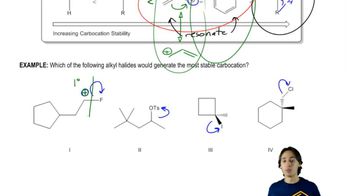
  • Predicting the most stable carbocation
    01:21

Resonance Structures

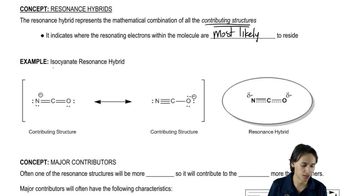
  • How to draw a resonance hybrid.
    03:24
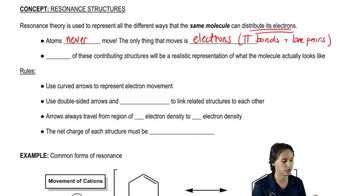
  • The rules you need for resonance:
    03:34
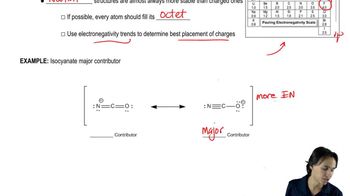
  • How to determine which structure is most stable.
    01:32

Nucleophilic Substitution

  • Predict the product
    05:55
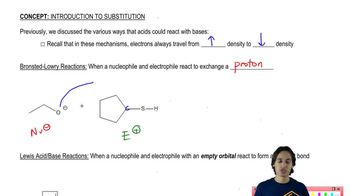
  • Nucleophiles and Electrophiles can react in Bronsted-Lowry Reactions.
    05:01
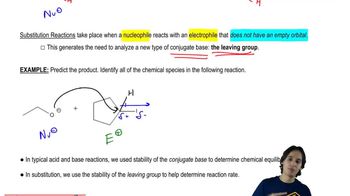
  • Nucleophiles and Electrophiles can react in Substitution Reactions.
    01:47

SN2 Reaction

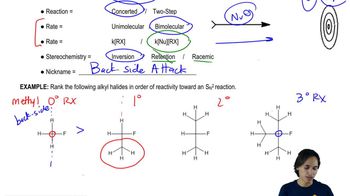
  • Ranking reactivity toward SN2
    04:03
  • Drawing the SN2 Mechanism
    08:33
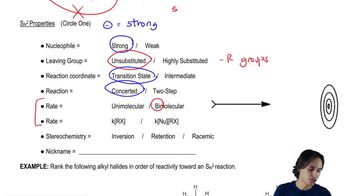
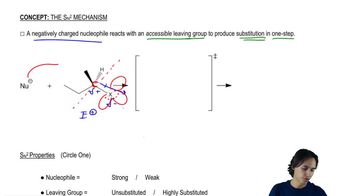
  • Understanding the properties of SN2.
    11:57

E2 Mechanism

  • Understanding the properties of E2.
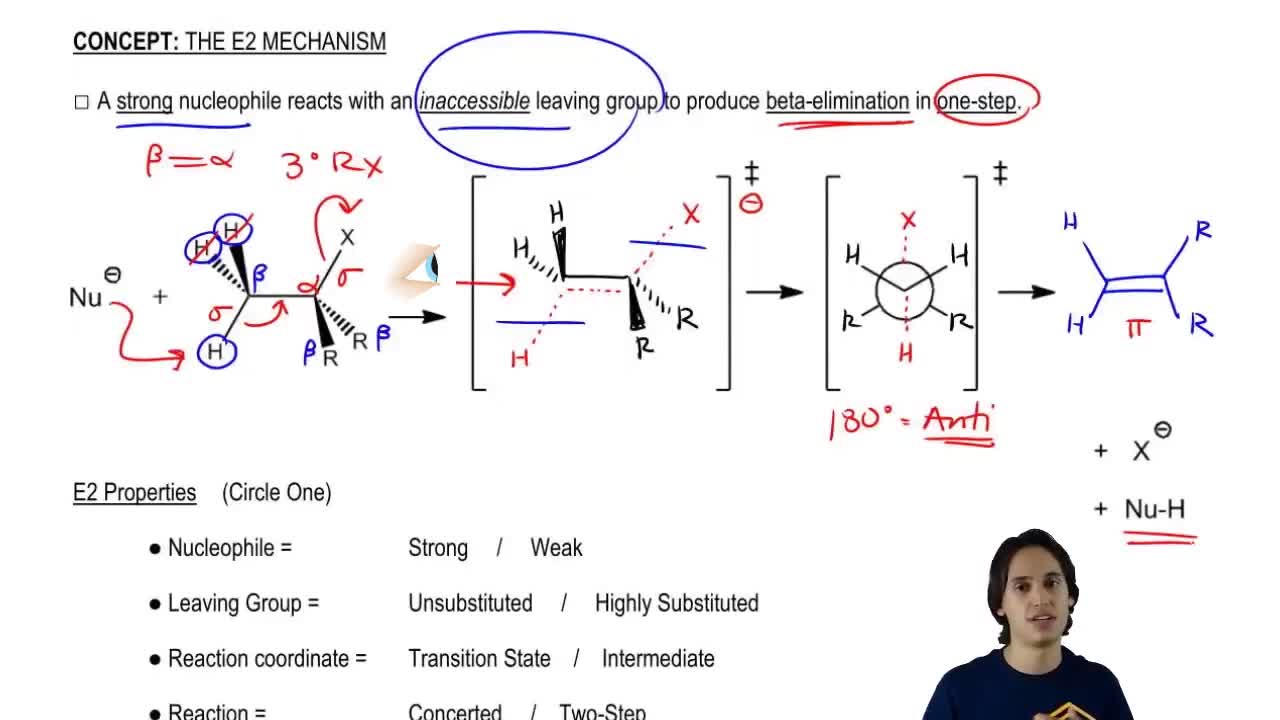
    04:42
  • Drawing the E2 Mechanism.
    09:36
  • Rank reactivity toward E2
    02:03

E1 Reaction

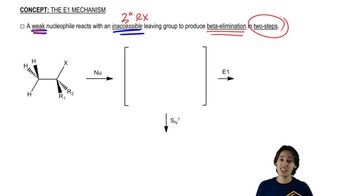
  • Understanding the properties of E1.
    03:32
  • Drawing the E1 Mechanism.
    08:09

Newman Projections

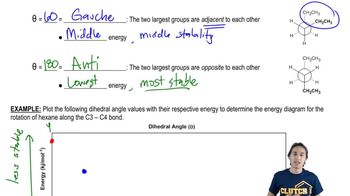
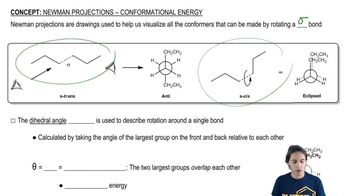
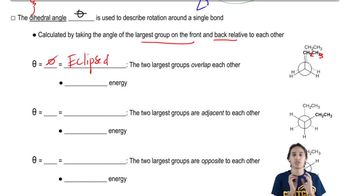
  • How to draw a Newman Projection Energy Diagram.
    07:27
  • How sigma bond rotation is visualized
    03:11
  • The energy states of 3 different Newman Projections.
    03:51

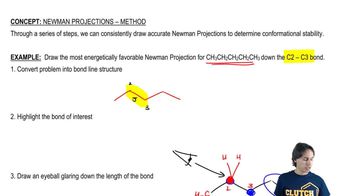
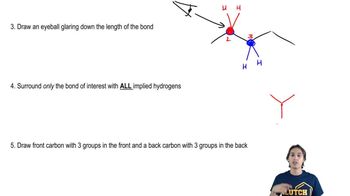
Drawing Newman Projections

  • Step 6 to Drawing Newman Projections
    01:31
  • Step 5 to Drawing Newman Projections
    01:51
  • Step 3 to Drawing Newman Projections
    00:28

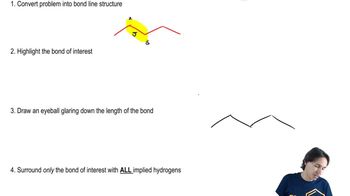
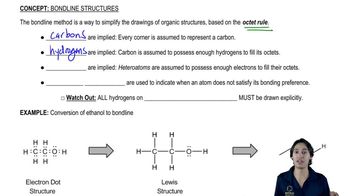
Skeletal Structure

  • How bondline is different from Lewis Structures.
    04:03
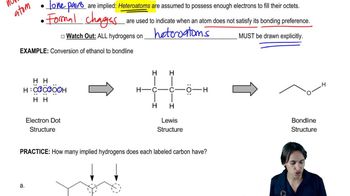
  • Conversion of ethanol from electron dot to bondline
    01:50

Hybridization

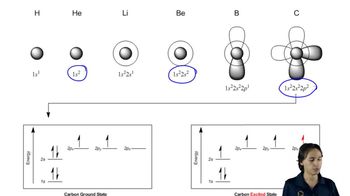
  • How carbon creates 4 partially-filled orbitals.
    02:53
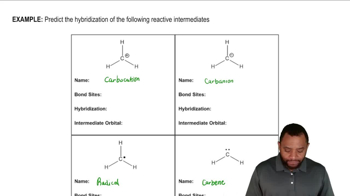
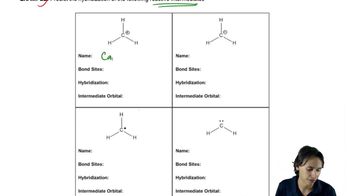
  • Bond sites, hybridization, and intermediate orbitals
    04:58
  • Introduction to the reactive intermediates.
    02:47

Functional Groups

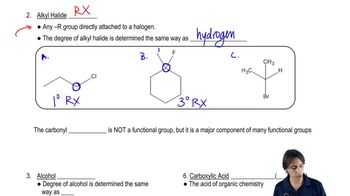
  • Assigning Degrees to Alkyl Halides
    01:30
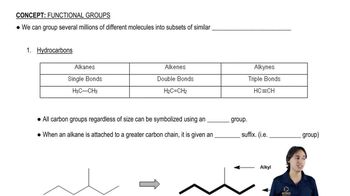
  • Why we need functional groups.
    01:49
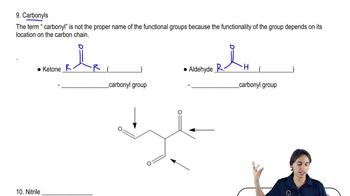
  • The difference between aldehydes and ketones.
    03:08

IUPAC Naming

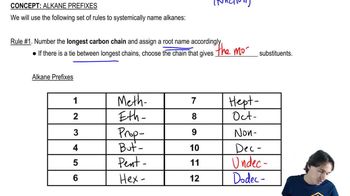
  • Naming the root chain
    01:02
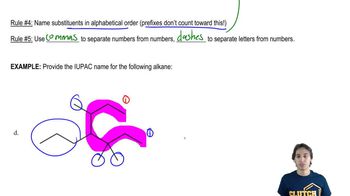
  • Provide the IUPAC name for the following alkane
    07:08
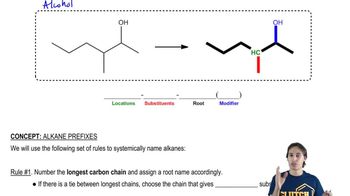
  • The different parts of an IUPAC name
    03:43

Organic Chemistry Reactions

  • Recognizing Substitution Reactions.
    01:34
  • Recognizing Acid-Base Reactions.
    02:43
  • Recognizing Elimination Reactions.
    00:40

Reaction Mechanism

  • How to tell if charged molecules will react as nucleophiles or electrophiles.
    02:39
  • Nucleophile or Electrophile
    01:49
  • How to tell if uncharged molecules will react as nucleophiles or electrophiles.
    02:48

Addition Reaction

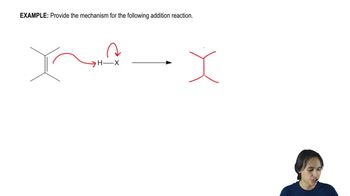
  • Provide the mechanism
    01:15
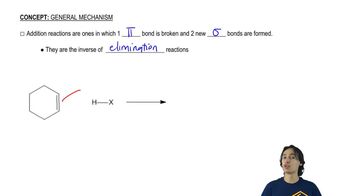
  • Features of Addition Mechanisms.
    05:39

Hydrohalogenation

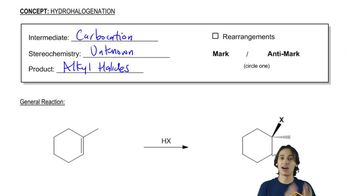
  • General properties of hydrohalogenation.
    04:07
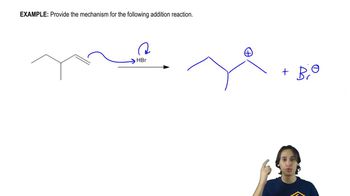
  • Provide the mechanism
    02:24

Hydroboration

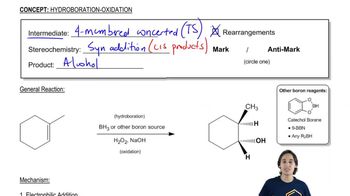
  • General properties of hydroboration-oxidation.
    06:38
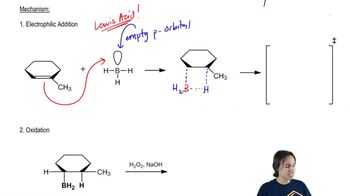
  • Acid-catalyzed hydroboration-oxidation mechanism
    06:14

Hydrogenation

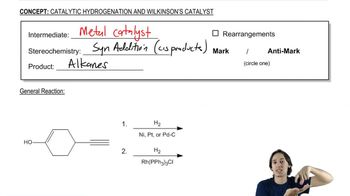
  • General properties of catalytic hydrogenation.
    05:21

Halogenation

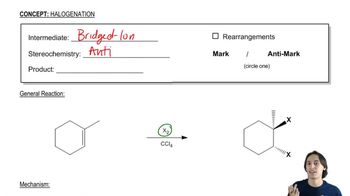
  • Halogenation Mechanism
    03:45
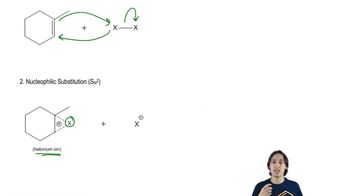
  • General properties of halogenation.
    02:27

Electrophilic Aromatic Substitution

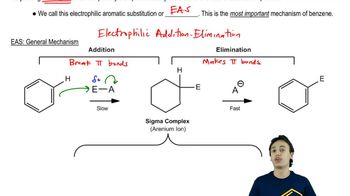
  • EAS General Mechanism
    06:52
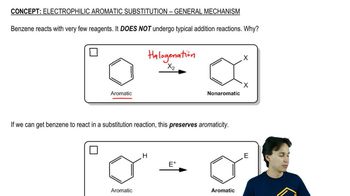
  • EAS Review
    03:07

Organic Chemistry Reactions

  • Recognizing Substitution Reactions.
    01:34
  • Recognizing Acid-Base Reactions.
    02:43
  • Recognizing Elimination Reactions.
    00:40