뒤로

Aromatic Compounds: Structure, Stability, and Reactions

학습 가이드 - 영상으로 배우기

업로드한 자료에 맞춘 엄선된 수업 – 모든 주제를 단계별로 배워보세요.

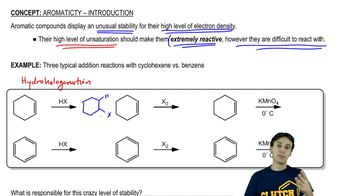
Aromaticity

  • Intro to Aromaticity
    08:19
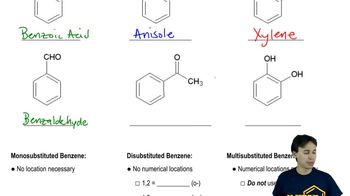
Naming Benzene Rings

  • Benzene Nomenclature
    09:04

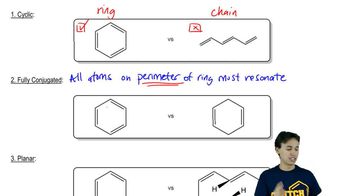
Huckel's Rule

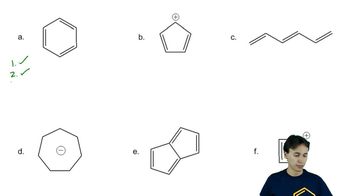
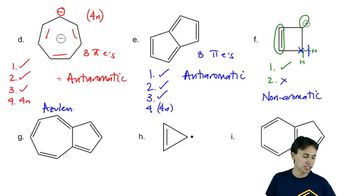
  • Four tests
    10:23

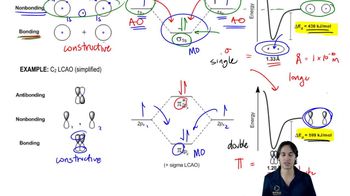
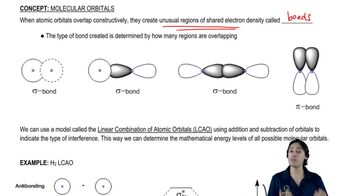
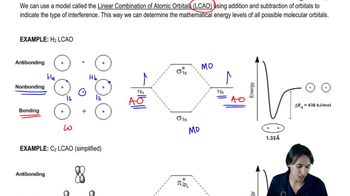
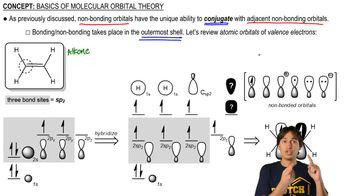
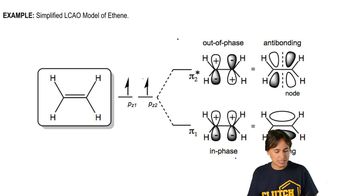
Molecular Orbital Theory

  • Sigma bond vs. pi bond, which is stronger?
    03:25
  • What’s the difference between sigma and pi bonds?
    02:19
  • What’s the difference between atomic and molecular orbitals?
    11:25

Molecular Orbital Theory

  • Review of Atomic Orbitals
    16:
  • Review of Molecular Orbitals
    08:41

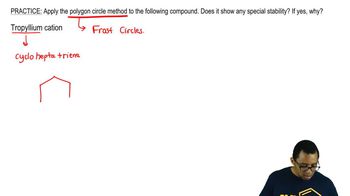
Frost Circle

  • Inscribed Polygon Method
    02:56
  • Inscribed Polygon Method
    11:54

Aromatic Hydrocarbons

  • Determine the aromaticity
    00:39
  • Determine the aromaticity
    01:06
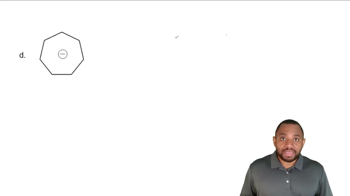
  • Determine the aromaticity
    02:58

Electrophilic Aromatic Substitution

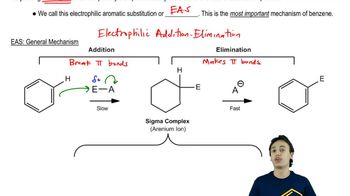
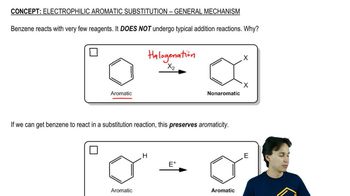
  • EAS General Mechanism
    06:52
  • EAS Review
    03:07

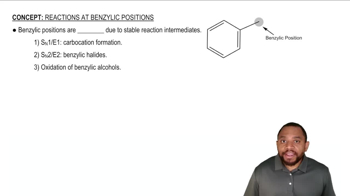
Reactions at Benzylic Positions

  • 가이드 코스
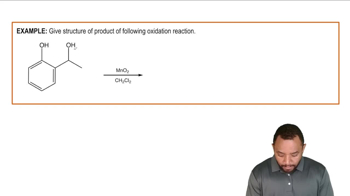
    Reactions at Benzylic Positions Example 3
    1:12
  • 가이드 코스
    Reactions at Benzylic Positions Example 2
    2:03
  • 가이드 코스
    Reactions at Benzylic Positions Concept 1
    1:01

Birch Reduction

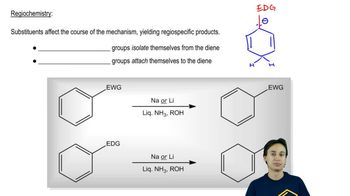
  • Regiospecific products
    02:51
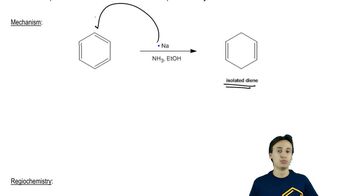
  • Birch Reduction Mechanism
    04:40

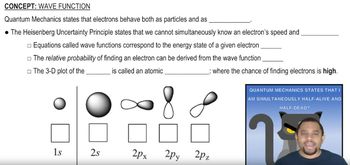
Wave Function

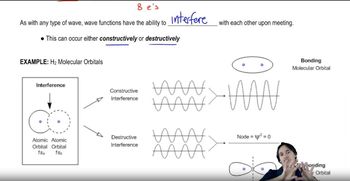
  • Constructive vs. destructive interference.
    03:18
  • The probability of finding electrons in a given place.
    05:41

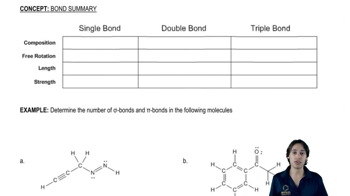
Sigma and Pi Bonds

  • Single bonds, double bonds, and triple bonds.
    06:00
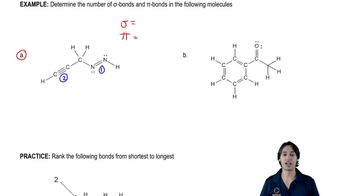
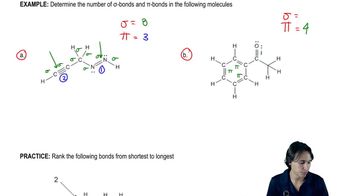
  • Sigma bonds and pi bonds
    01:05
  • Sigma bonds and pi bonds
    00:59

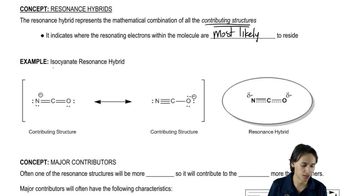
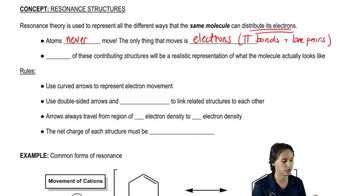
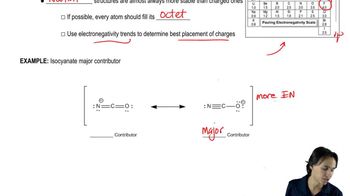
Resonance Structures

  • How to draw a resonance hybrid.
    03:24
  • The rules you need for resonance:
    03:34
  • How to determine which structure is most stable.
    01:32

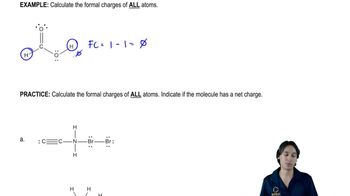
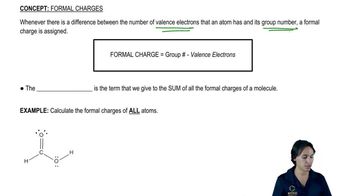
Formal Charges

  • Calculate the formal charges of ALL atoms.
    02:21
  • Calculating formal and net charge.
    01:34

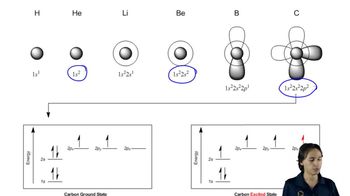
Hybridization

  • How carbon creates 4 partially-filled orbitals.
    02:53
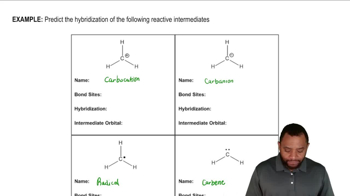
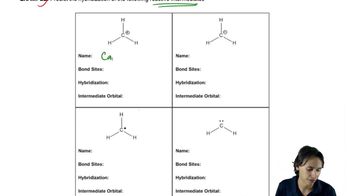
  • Bond sites, hybridization, and intermediate orbitals
    04:58
  • Introduction to the reactive intermediates.
    02:47

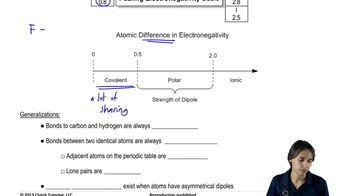
Electronegativity

  • Differences between ionic, polar and covalent bonds
    11:33

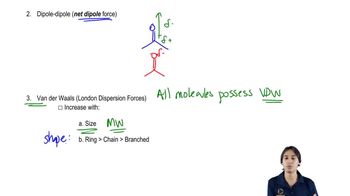
Intermolecular Forces

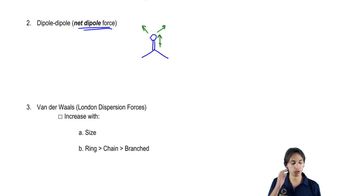
  • How dipole-dipole forces work.
    01:46
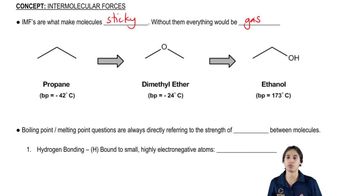
  • How IMFs are related to melting and boiling points.
    03:08
  • How Van der Waals forces work.
    03:01

Solubility

  • Introducing common solvents and other molecules in organic chemistry.
    02:01
  • Understanding “like dissolves like”.
    01:47

Functional Groups

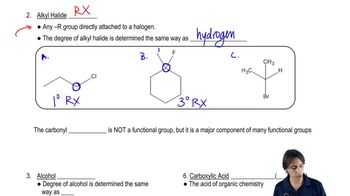
  • Assigning Degrees to Alkyl Halides
    01:30
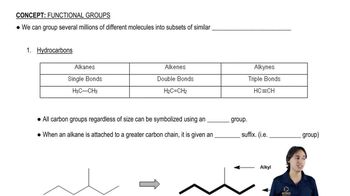
  • Why we need functional groups.
    01:49
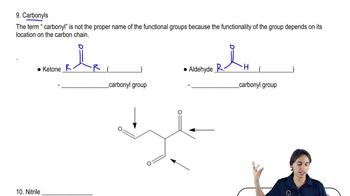
  • The difference between aldehydes and ketones.
    03:08

Overview of Chemical Reactions

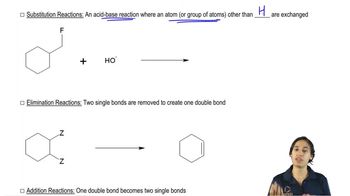
  • Recognizing Substitution Reactions.
    01:34
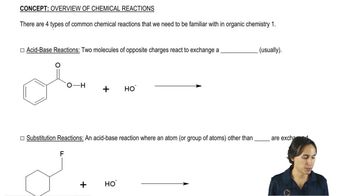
  • Recognizing Acid-Base Reactions.
    02:43
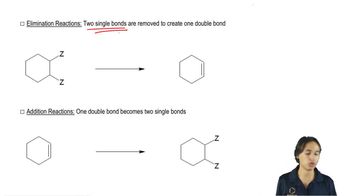
  • Recognizing Elimination Reactions.
    00:40

Reaction Mechanism

  • How to tell if charged molecules will react as nucleophiles or electrophiles.
    02:39
  • Nucleophile or Electrophile
    01:49
  • How to tell if uncharged molecules will react as nucleophiles or electrophiles.
    02:48

NMR Spectroscopy

  • General NMR Features
    10:06

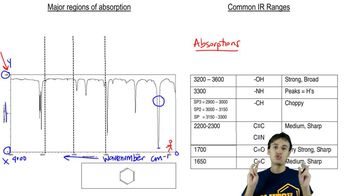
Infrared Spectroscopy

  • General Features of IR Spect
    16:04