 뒤로
뒤로Catalysis in Organic and Enzymatic Reactions: Mechanisms and Applications
스터디 가이드 - 스마트 노트
 자료에 맞춘 맞춤형 노트, 핵심 정의, 예시, 맥락을 확장해 제공합니다.
Catalysis in Organic Reactions and Enzymatic Reactions
Introduction to Catalysis
Catalysis is a fundamental concept in organic chemistry, describing how certain substances (catalysts) increase the rate of chemical reactions without being consumed. Catalysts function by lowering the activation energy barrier, thereby enabling reactions to proceed more rapidly or under milder conditions. Enzymes are biological catalysts that exhibit remarkable specificity and efficiency.
Reaction Coordinate Diagrams and Free Energy
Exergonic vs. Endergonic Reactions
Exergonic reactions release free energy (ΔG < 0) and are spontaneous.
Endergonic reactions absorb free energy (ΔG > 0) and are non-spontaneous.
In exergonic reactions, products are lower in free energy than reactants; in endergonic reactions, the opposite is true.
Free Energy of Activation (ΔG‡)
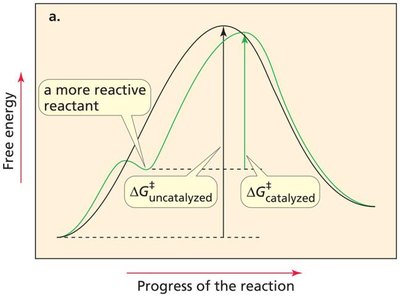
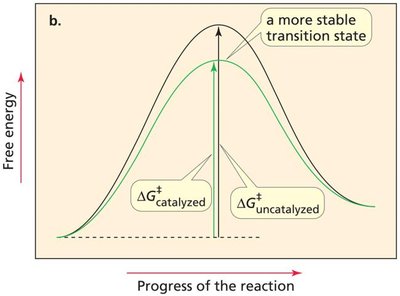
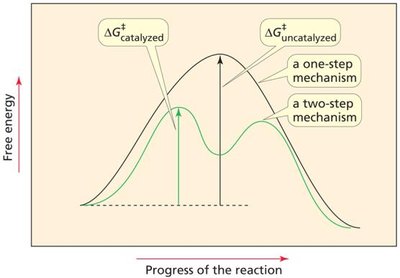
The free energy of activation is the energy barrier that must be overcome for a reaction to proceed.
Kinetic stability is determined by ΔG‡: a large value means slow reaction (kinetically stable), a small value means fast reaction (kinetically unstable).
Thermodynamic stability is determined by ΔG°: negative values favor product formation, positive values favor reactant stability.
How Catalysts Lower Activation Energy
Catalysts lower ΔG‡ by providing alternative reaction pathways or stabilizing transition states.
They do not affect the overall ΔG° of the reaction.
Mechanisms of Catalysis
General Mechanisms
Increasing electrophilicity of a reaction center (making it more susceptible to nucleophilic attack).
Increasing nucleophilicity of a reactant.
Improving the leaving ability of a group (by converting it to a weaker base).
Stabilizing the transition state.
Acid Catalysis
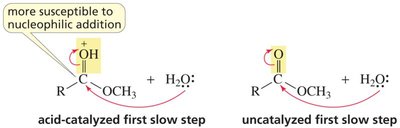
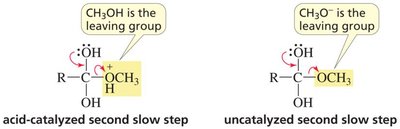
An acid catalyst donates a proton, increasing the electrophilicity of a carbonyl carbon and making it more susceptible to nucleophilic addition.
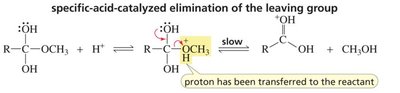
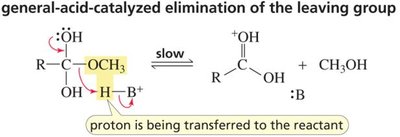
Acid catalysis can also decrease the basicity of a leaving group, making it more likely to depart.
Specific-Acid vs. General-Acid Catalysis
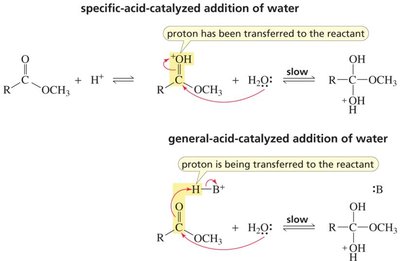
Specific-acid catalysis: Proton is transferred to the reactant before the slow step; requires a strong acid.
General-acid catalysis: Proton is transferred during the slow step; can involve weaker acids.
Base Catalysis
A base catalyst increases the rate by removing a proton, often generating a more reactive nucleophile.
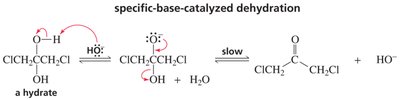
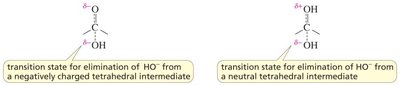
Specific-base catalysis: Proton is removed before the slow step.
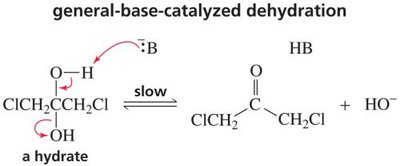
General-base catalysis: Proton is removed during the slow step.
Nucleophilic Catalysis (Covalent Catalysis)
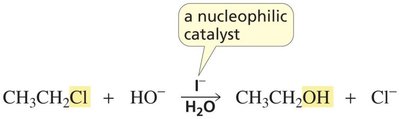
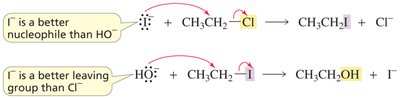
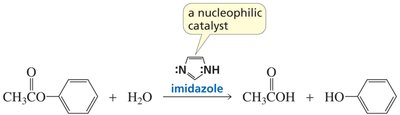
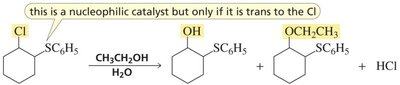
A nucleophilic catalyst forms a covalent intermediate with the reactant, changing the reaction mechanism and often increasing the rate.
Common nucleophilic catalysts include iodide ion and imidazole.
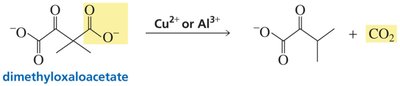
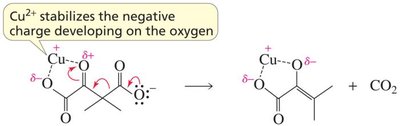
Metal-Ion Catalysis
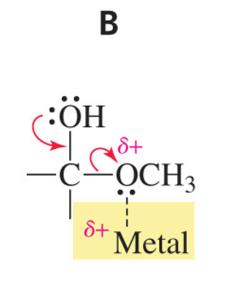
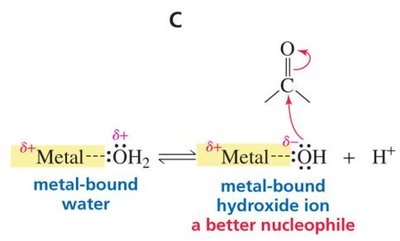
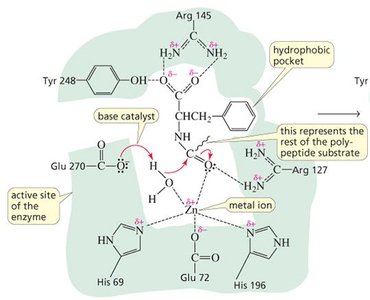
Metal ions can increase the electrophilicity of a reaction center, stabilize negative charges, or make water a better nucleophile.
Metal-bound hydroxide ions are often better nucleophiles than water.
Factors Affecting Reaction Rates
Collision Theory and Effective Molarity
The rate of reaction depends on the number of collisions, the fraction with sufficient energy, and the fraction with proper orientation.
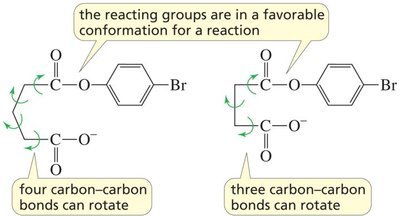
Bringing reacting groups into the same molecule (intramolecular reactions) increases the effective molarity and the reaction rate.
Relative Rates of Intermolecular and Intramolecular Reactions
Intramolecular reactions are generally much faster than intermolecular reactions due to higher effective molarity.
Five-membered ring formation is typically faster than six-membered ring formation due to more favorable entropic and enthalpic factors.
Intramolecular Catalysis
Intramolecular Nucleophilic and General-Base Catalysis
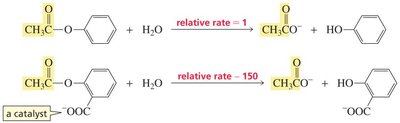
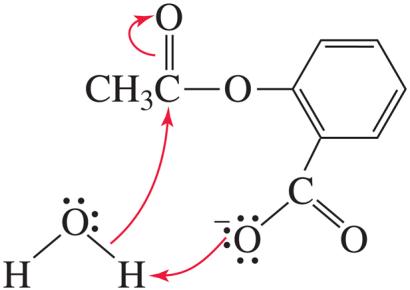
When a catalyst is part of the same molecule as the reactant, the reaction rate increases significantly.
The carboxyl group can act as an intramolecular general-base or nucleophilic catalyst.

Enzyme Catalysis
Enzyme-Substrate Binding
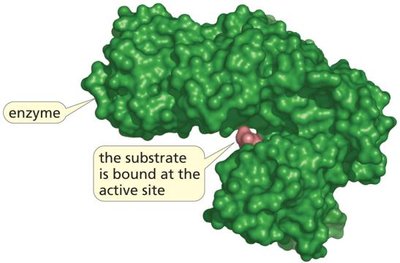
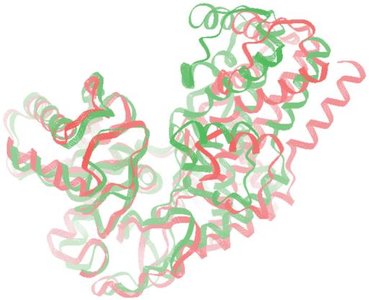
An enzyme binds its substrate at a specific region called the active site.
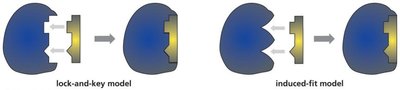
The lock-and-key model and induced-fit model describe how substrates fit into the active site.
Enzyme conformation can change upon substrate binding (induced fit).
Factors Contributing to Enzyme Catalysis
Proper orientation of reacting groups at the active site.
Precise positioning of catalytic amino acid side chains.
Stabilization of transition states and intermediates.
Enzyme Specificity and Mechanisms
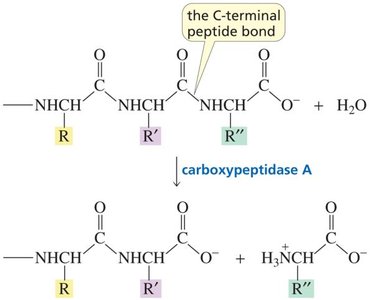
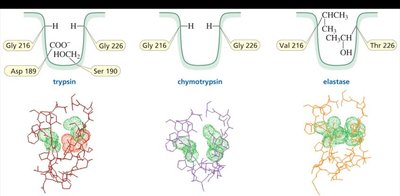
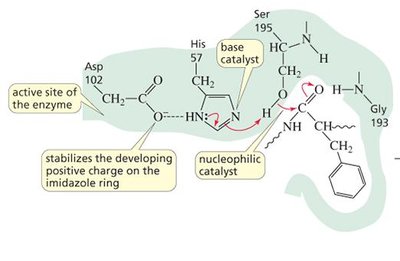
Enzymes such as trypsin, chymotrypsin, and elastase cleave peptide bonds with high specificity, determined by the structure of their active sites.
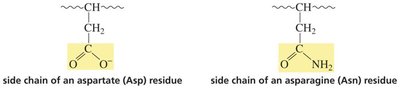
Site-specific mutagenesis can identify the roles of specific amino acids in catalysis.

Lysozyme and Other Enzymes
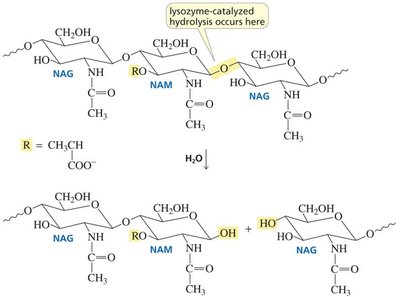
Lysozyme is an enzyme that destroys bacterial cell walls by hydrolyzing specific bonds in polysaccharides.
Enzyme activity can depend on pH, with different groups being catalytically active in their acidic or basic forms.
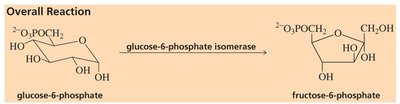
Other enzymes, such as glucose-6-phosphate isomerase and aldolase, catalyze key steps in metabolic pathways.
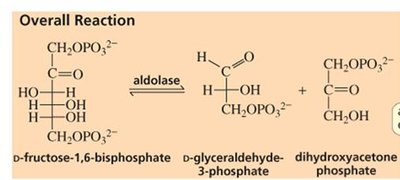
Summary Table: Types of Catalysis in Organic Chemistry
Type of Catalysis | Mechanism | Example |
|---|---|---|
Acid Catalysis | Donates proton to increase electrophilicity or leaving group ability | Ester hydrolysis |
Base Catalysis | Removes proton to increase nucleophilicity | Dehydration of alcohols |
Nucleophilic Catalysis | Forms covalent intermediate with reactant | Iodide-catalyzed substitution |
Metal-Ion Catalysis | Stabilizes charges, activates water, or increases electrophilicity | Zn2+ in carboxypeptidase |
Enzyme Catalysis | Active site orientation, transition state stabilization, acid/base/nucleophilic/metal-ion mechanisms | Serine proteases, lysozyme |
Additional info: This summary integrates mechanistic details, examples, and visual aids to provide a comprehensive overview of catalysis in organic and enzymatic reactions, suitable for college-level organic chemistry students.
