뒤로

Chapter 19: Amines – Structure, Properties, and Reactions

학습 가이드 - 영상으로 배우기

업로드한 자료에 맞춘 엄선된 수업 – 모든 주제를 단계별로 배워보세요.

Naming Amines

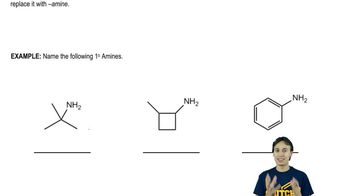
  • Naming Primary Amines
    06:50
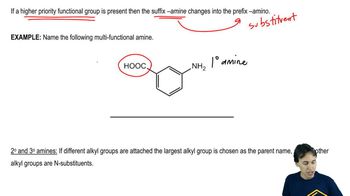
  • Primary Amines as Substituents
    02:58
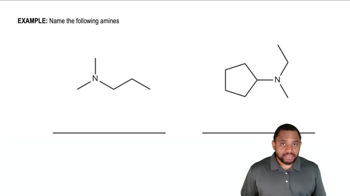
  • Naming Secondary and Tertiary Amines
    01:57

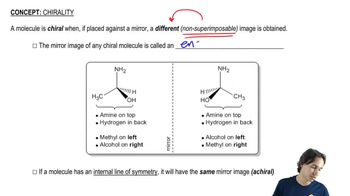
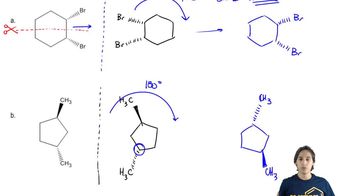
Chirality

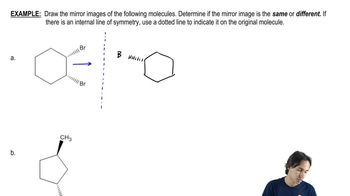
  • Drawing Mirror Images and Determining Chirality
    03:24
  • What is chirality?
    05:10
  • Drawing Mirror Images and Determining Chirality
    03:44

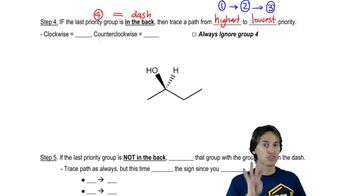
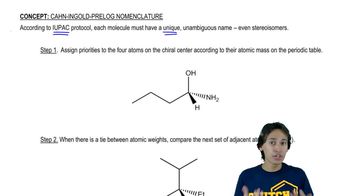
Cahn-Ingold-Prelog Nomenclature

  • R and S Naming- Step 4
    03:07
  • Why stereoisomers need their own naming system.
    01:48
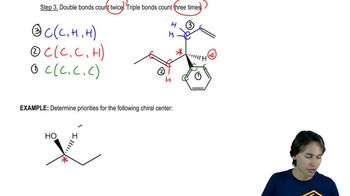
  • Determining Priorities
    01:19

Amine Alkylation

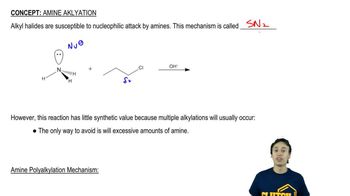
  • General Reaction
    03:51
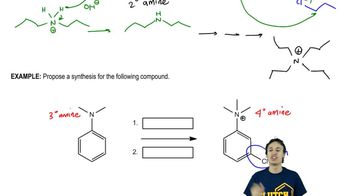
  • Propose a Synthesis
    03:46
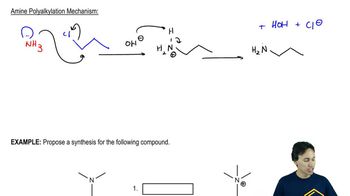
  • Mechanism
    03:54

Introduction to Substitution

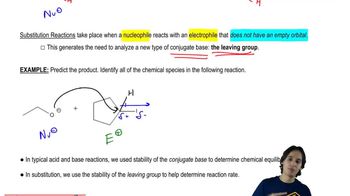
  • Predict the product
    05:55
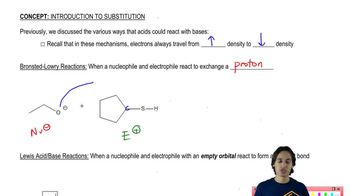
  • Nucleophiles and Electrophiles can react in Bronsted-Lowry Reactions.
    05:01
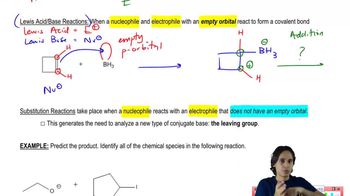
  • Nucleophiles and Electrophiles can react in Substitution Reactions.
    01:47

Acylation of Aniline

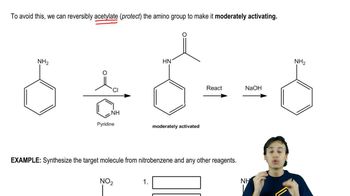
  • Protection of Aniline Derivatives
    05:15
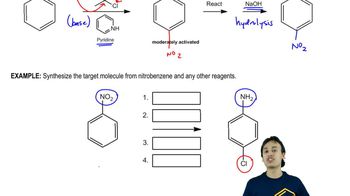
  • Synthesize the target molecule
    03:46

Hofmann Elimination

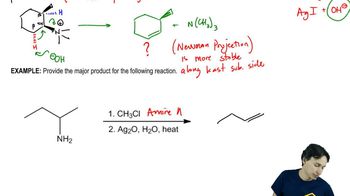
  • Provide the Major Product
    01:14
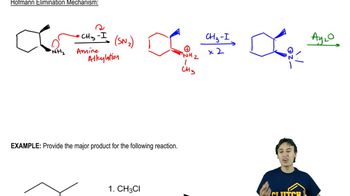
  • Mechanism
    06:45
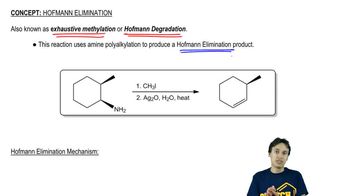
  • General Reaction
    03:22

Acid and Base Definitions

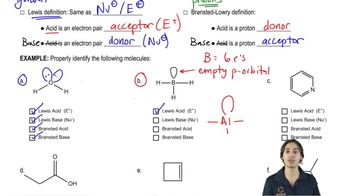
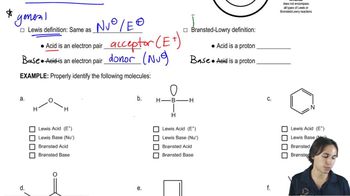
  • Lewis vs. Bronsted-Lowry Definition
    07:46
  • The Bronsted-Lowry definition of acids and bases.
    00:54
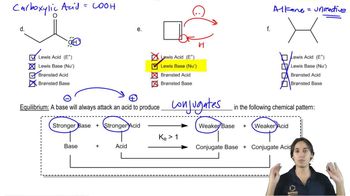
  • Equilibrium constant and conjugates.
    02:11

pKa Values

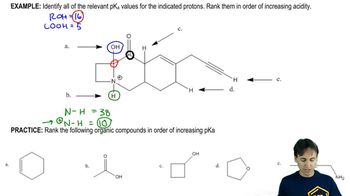
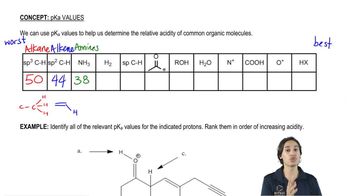
  • Identifying pKa values
    07:45
  • The 12 pKa values you want to memorize (because they are important!).
    09:36

Acid Base Equilibrium

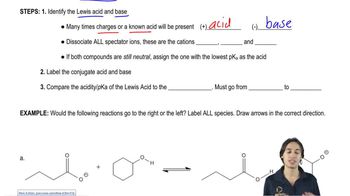
  • The 3 steps for determining the direction of acid and base equilibrium.
    05:11
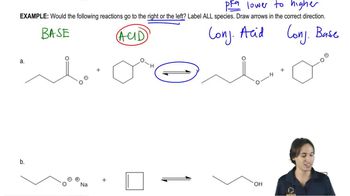
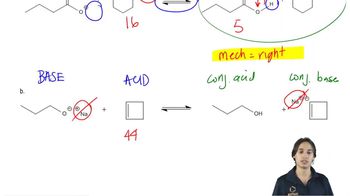
  • Determining Acid/Base Equilibrium
    04:00
  • Determining Acid/Base Equilibrium
    02:34

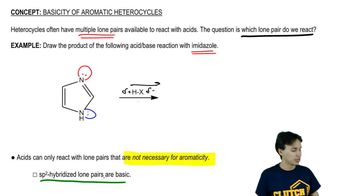
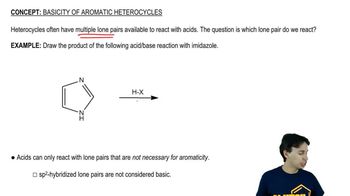
Basicity of Aromatic Heterocycles

  • The Sp2 Rule
    02:54
  • Heterocycles - Which lone pairs react?
    02:04
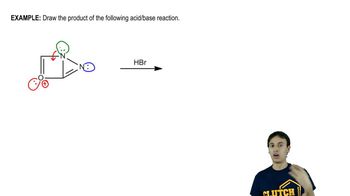
  • Draw the acid/base reaction product
    03:55

NMR Spectroscopy

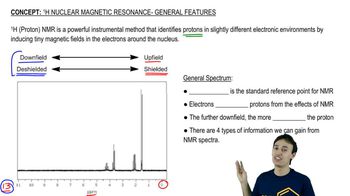
  • General NMR Features
    10:06

Infrared Spectroscopy

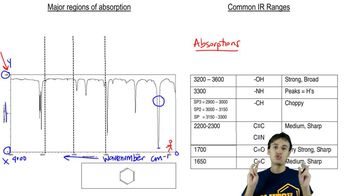
  • General Features of IR Spect
    16:04

Mass Spectrometry

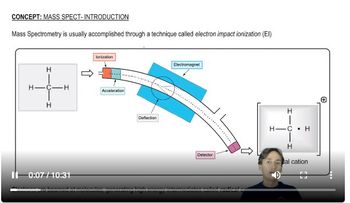
  • Equipment and Theory
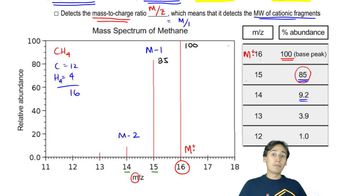
    10:48
  • How to Read a Mass Spectrum
    01:25

Reductive Amination

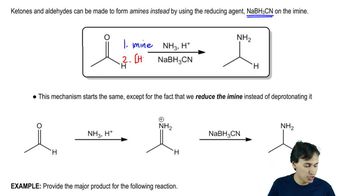
  • Reductive Amination
    07:12
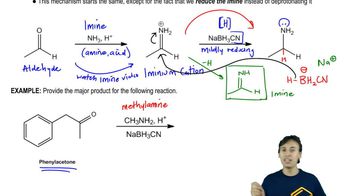
  • Provide the Major Product
    03:07

Gabriel Synthesis

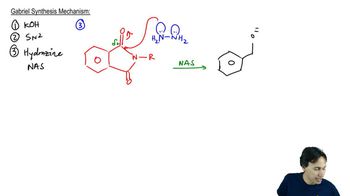
  • Mechanism
    05:42
  • General Reaction
    04:53