뒤로

Chapter 6: An Overview of Organic Reactions – Electrophiles, Nucleophiles, Polar and Radical Mechanisms

학습 가이드 - 영상으로 배우기

업로드한 자료에 맞춘 엄선된 수업 – 모든 주제를 단계별로 배워보세요.

Overview of Chemical Reactions

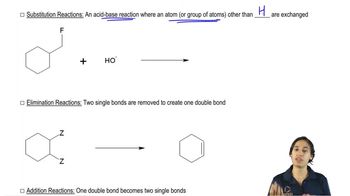
  • Recognizing Substitution Reactions.
    01:34
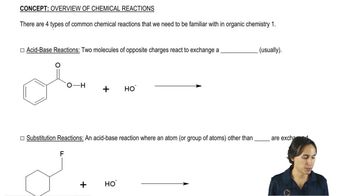
  • Recognizing Acid-Base Reactions.
    02:43
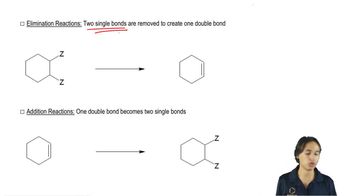
  • Recognizing Elimination Reactions.
    00:40

Reaction Mechanism

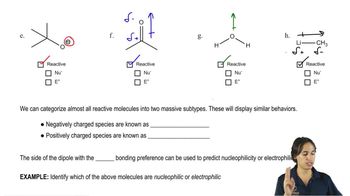
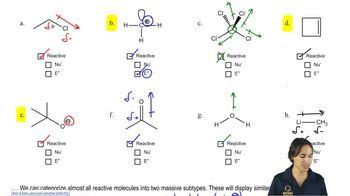
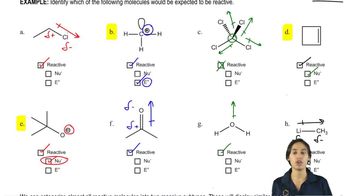
  • How to tell if charged molecules will react as nucleophiles or electrophiles.
    02:39
  • Nucleophile or Electrophile
    01:49
  • How to tell if uncharged molecules will react as nucleophiles or electrophiles.
    02:48

Electrophilic Aromatic Substitution

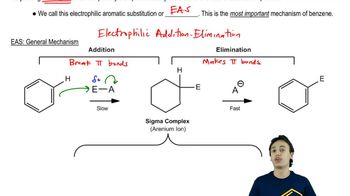
  • EAS General Mechanism
    06:52
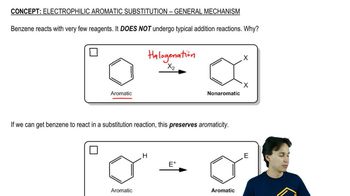
  • EAS Review
    03:07

Radical Reaction

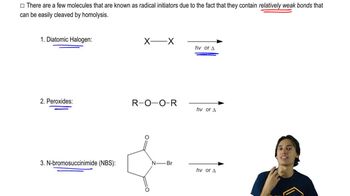
  • What are Radical Initiators?
    03:49
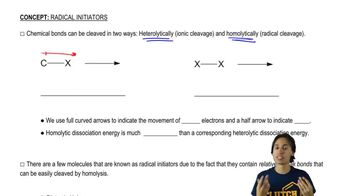
  • Heterolytic vs. Homolytic Bond Cleavage .
    04:39

Radical Stability

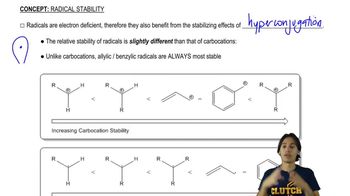
  • The radical stability trend.
    03:43
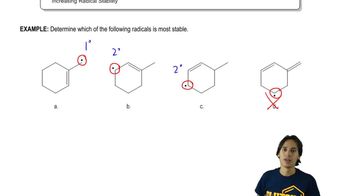
  • Determine which of the following radicals is the most stable.
    03:25

Equilibrium Constant and pKa

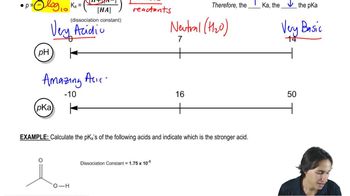
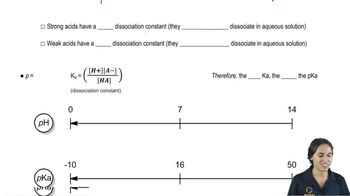
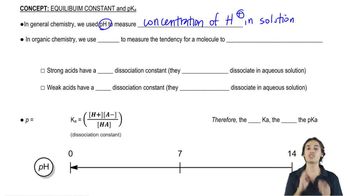
  • The pH scale vs. the pKa scale.
    02:15
  • The relationship between equilibrium constant and pKa.
    02:19
  • Why we use pKa instead of pH.
    01:46

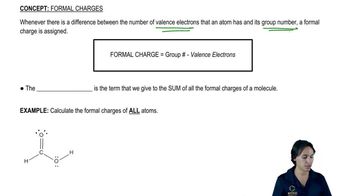
Formal Charges

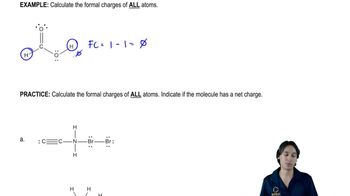
  • Calculate the formal charges of ALL atoms.
    02:21
  • Calculating formal and net charge.
    01:34

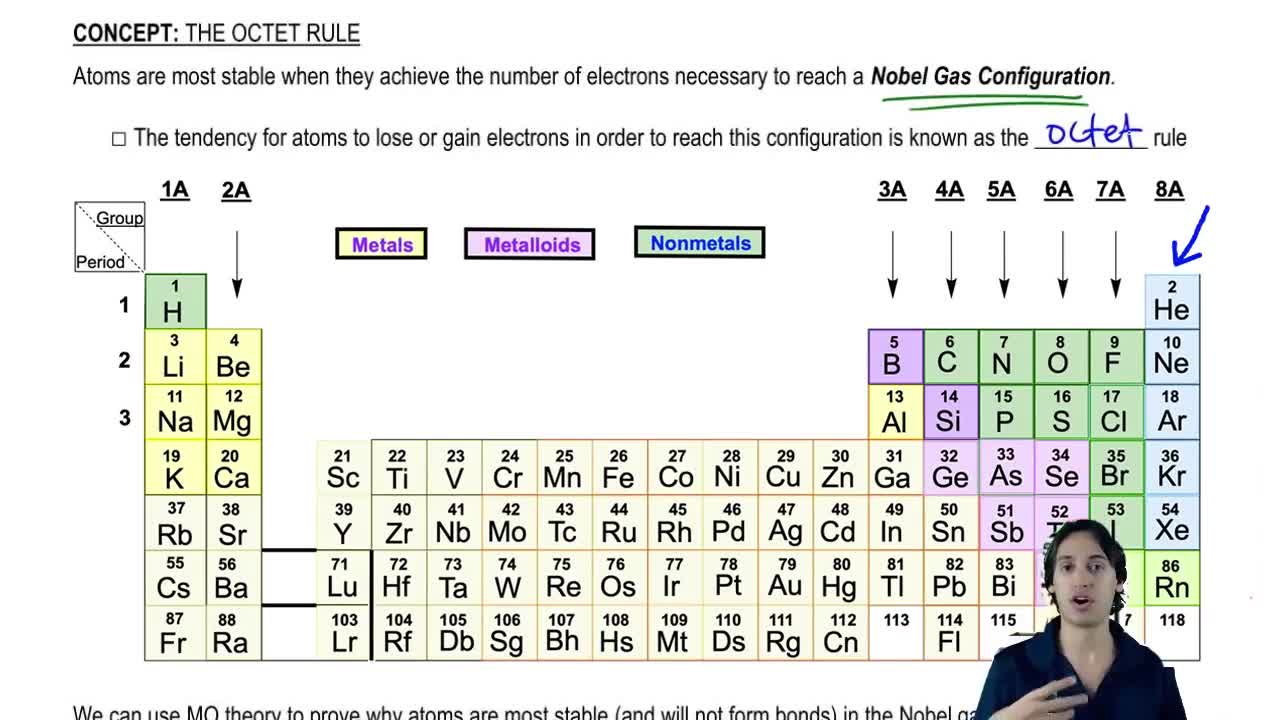
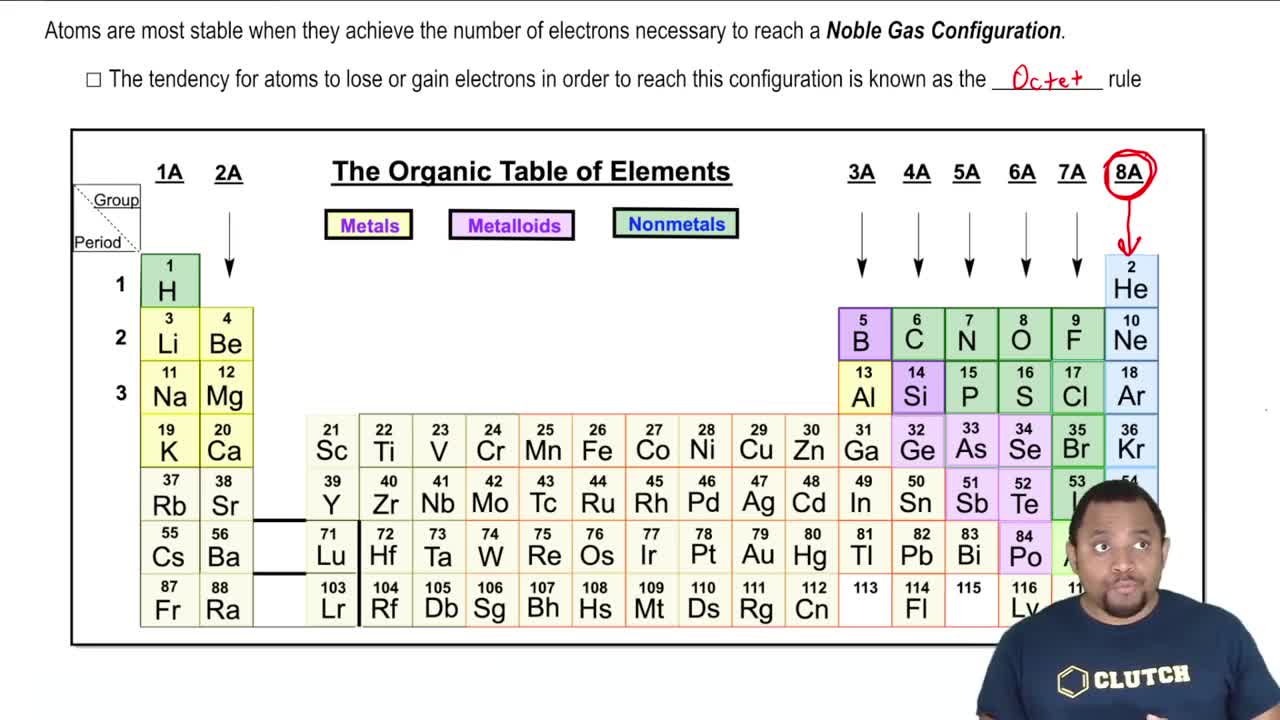
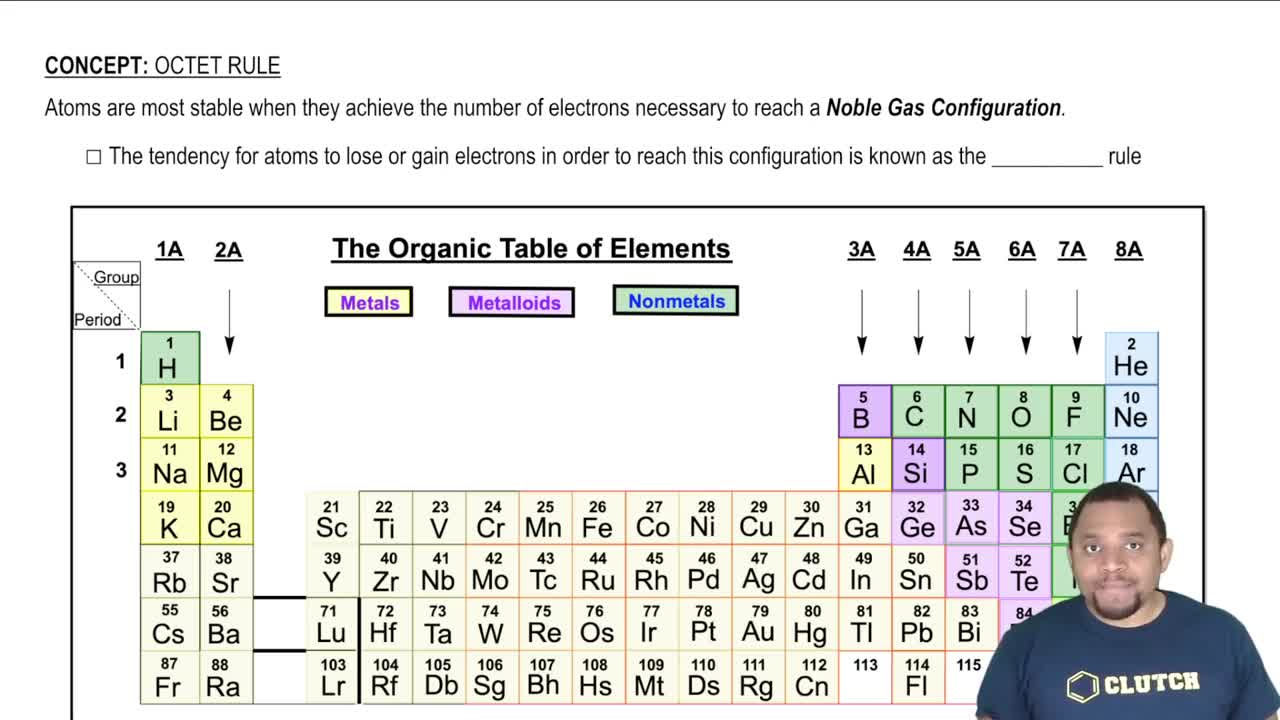
Octet Rule

  • LCAO model proves why Noble gases are so stable.
    03:48
  • The most important parts of the periodic table for organic chemistry
    02:24
  • How Noble gases are related to the octet rule.
    01:05

Sigma and Pi Bonds

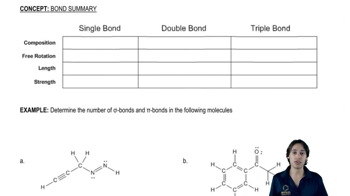
  • Single bonds, double bonds, and triple bonds.
    06:00
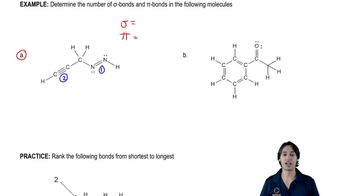
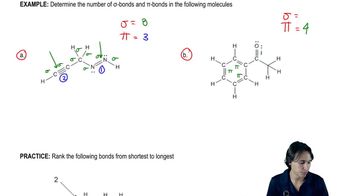
  • Sigma bonds and pi bonds
    01:05
  • Sigma bonds and pi bonds
    00:59